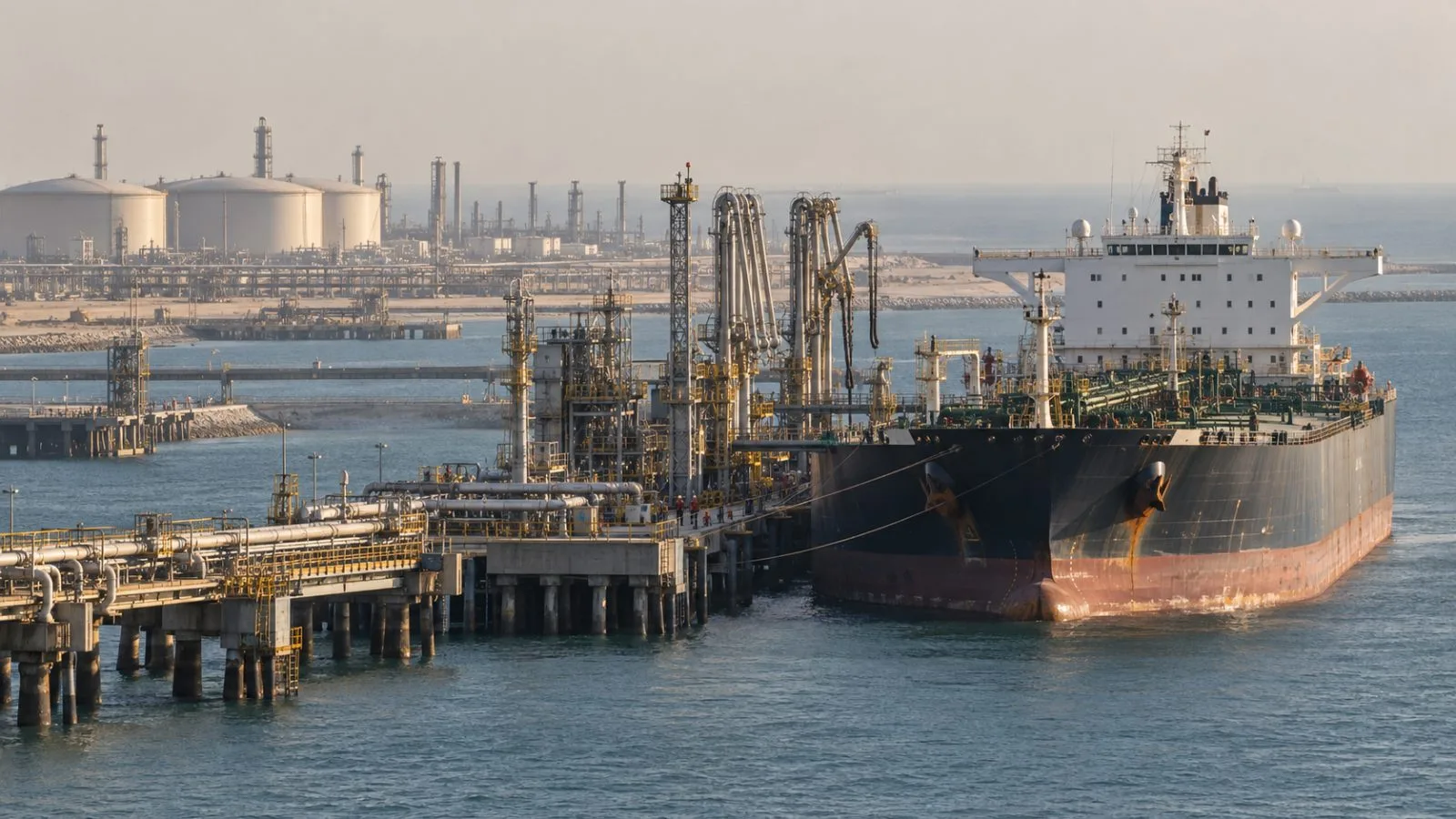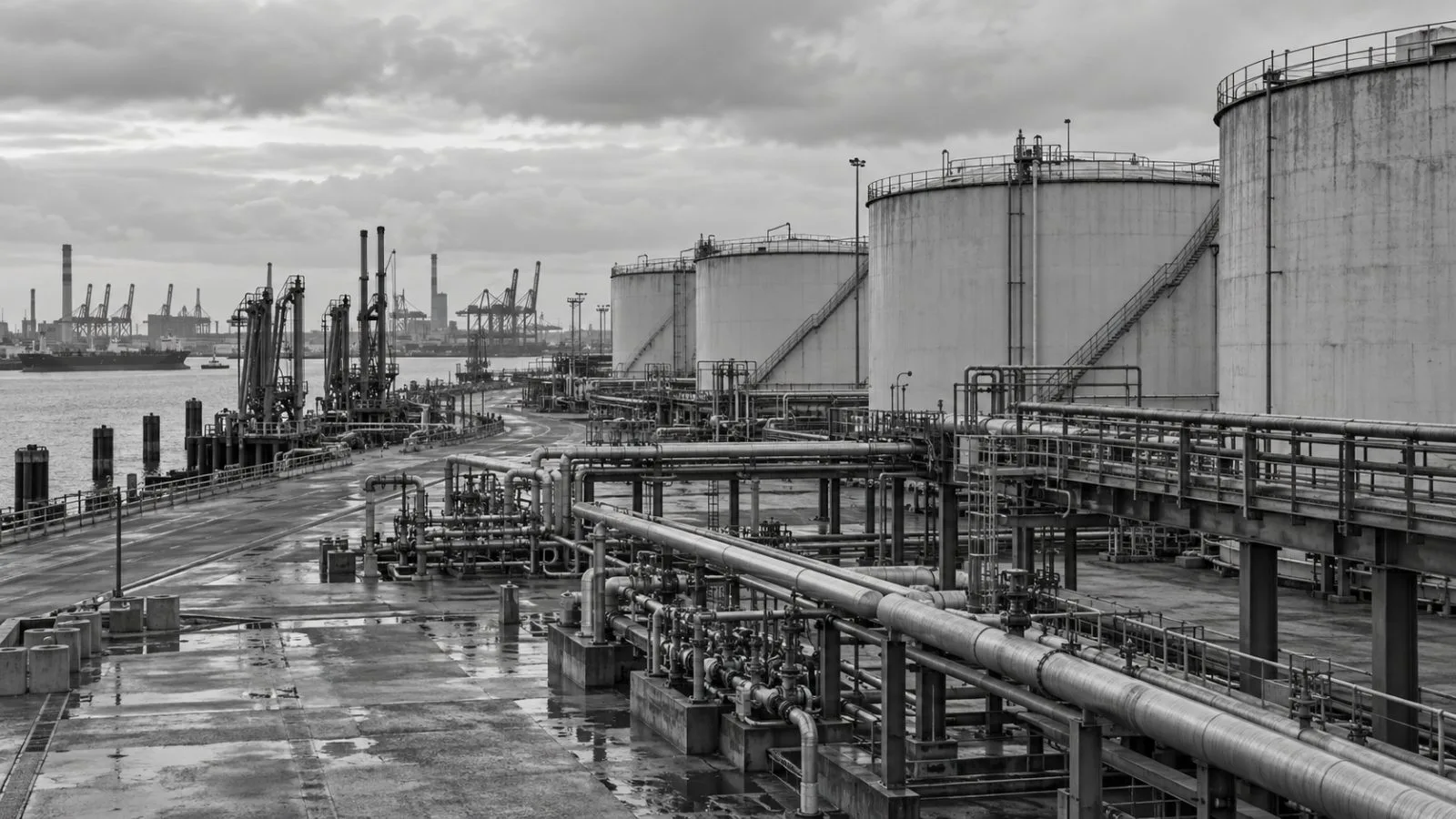
UAE Energy and Infrastructure Minister Suhail Mohamed Al Mazrouei said oil exports at times topped prewar levels despite Hormuz disruption, but gave no dates or volumes, leaving the rebound unquantified.
Reuters and The National reported his remarks at ADIPEC in Abu Dhabi on Monday. The National reported that Al Mazrouei did not specify the period or export measure behind the claim.
For early June, the International Energy Agency (IEA) estimated total UAE oil exports at 4.3 million barrels per day, roughly 85% of prewar levels. Its estimate for March was 1.9 million barrels per day.
Separate figures for June 2026 covered crude and condensate. The National, citing Kpler, put exports at 3.94 million barrels per day, compared with 2.13 million in March. Reuters, citing Kpler and Vortexa, reported about 3.7 million barrels per day for June. The estimates use different time windows and stated scopes, so they do not establish when Al Mazrouei's claim applied.
IEA data put average Strait of Hormuz traffic at 2.7 million barrels per day across March, April and May, down from about 20 million before the conflict. The agency cited the Habshan-to-Fujairah pipeline, storage and other shipping routes as factors supporting UAE exports. The pipeline avoids the strait and can carry 1.8 million barrels of crude per day.
The National reported that Al Mazrouei credited the pipeline with helping offset lower exports from other countries. The outlet also reported his warning that high commodity prices hurt consumers and could weaken demand over time.
The IEA said Gulf producers averaged 13.9 million barrels per day of crude exports in September, more than 75% of prewar levels, while Middle Eastern refined-product shipments remained below half. The product gap was also covered in earlier EconoTimes reporting on diesel stock recovery.
Abu Dhabi National Oil Company (ADNOC) said its second West-East Pipeline is under construction and is expected to begin operating in 2027, doubling export capacity through Fujairah.