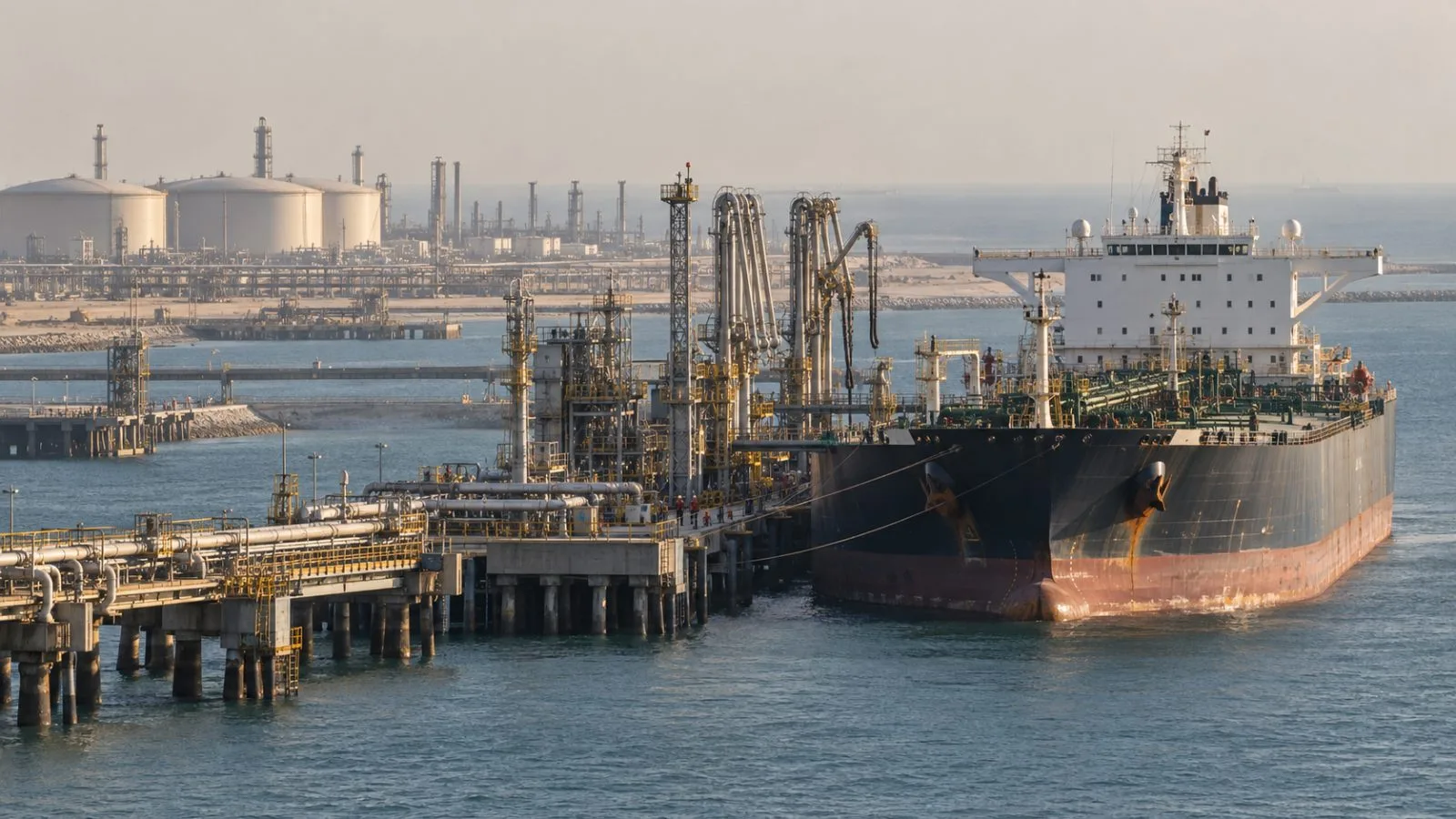
UAE crude production climbed 15% from February to 3.917 million barrels per day in September, placing it well above a quota it would have held had it stayed in OPEC+. Reuters said OPEC figures compiled from secondary sources put September output 470,000 bpd above the May quota benchmark for continued membership. The UAE announced in April that it would leave OPEC after 59 years; its withdrawal from OPEC and the broader OPEC+ group took effect May 1.
On a broader measure that counts crude, condensate and other liquids, the International Energy Agency (IEA) put UAE output at a record 5.3 million bpd in September. The agency’s estimate for production that month was 4.4 million bpd. Abu Dhabi National Oil Company (ADNOC) disputed Reuters’ account but did not identify the data it challenged or provide its own figures.
The production comparison came during major disruption to regional energy flows. Reuters linked supply interruptions and international oil prices at multiyear highs to the war involving Iran, which began at February’s end. At the Abu Dhabi International Petroleum Exhibition and Conference (ADIPEC) on Monday, UAE Energy and Infrastructure Minister Suhail Mohamed Al Mazrouei said exports had at times exceeded prewar levels, without giving a period or volumes. EconoTimes previously covered Al Mazrouei’s comments on exports at ADIPEC. Reuters also reported that the UAE increased transfers of crude between ships to move cargoes beyond the Strait of Hormuz. Al Mazrouei said the UAE would safeguard its energy infrastructure and finance new routes for exports.
Analysts differed on the role of the UAE’s OPEC exit. Rystad Energy analyst Rahul Choudhary said leaving the group helped the UAE fare better than regional producers during the war. Energy Aspects analyst Richard Bronze said earlier export restarts, enabled by the UAE’s willingness to accept risks, better explained the rise. Reuters reported that other regional OPEC+ members, apart from Oman, produced below their quotas.
ADIPEC continues in Abu Dhabi through Thursday. OPEC has scheduled its next full meeting with non-OPEC producers for Nov. 29.