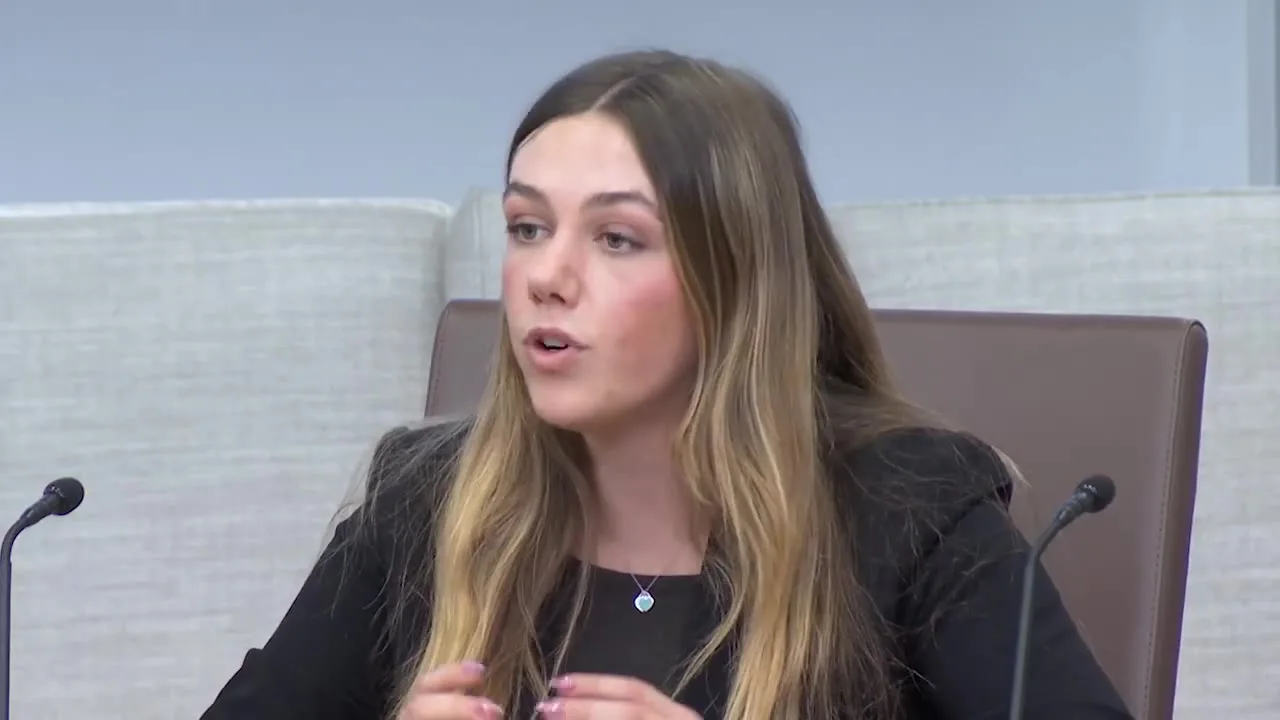
A University of California, Los Angeles team called for higher interest rates, saying inflation remained above the Federal Reserve's 2% target and repeated supply shocks threatened to keep prices rising.
The participants differed over how much rates should rise, weighing persistent inflation against the risk of putting more pressure on jobs and housing. The available transcript ends before they reach a final recommendation.
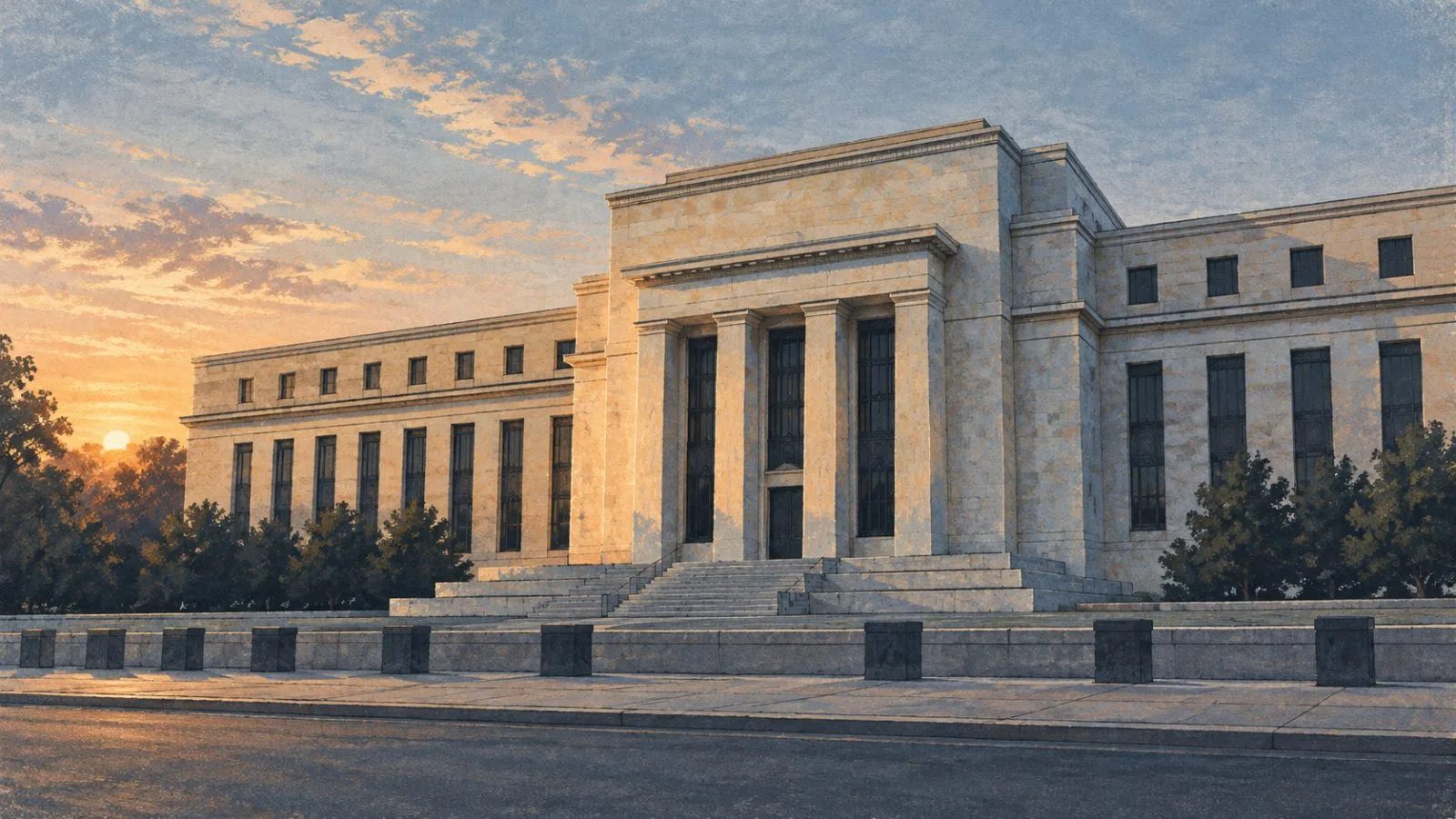
The discussion took place at the Federal Reserve's College Fed Challenge on Nov. 20 and was published on Nov. 27. The remarks were part of a university competition, rather than an announcement of Federal Reserve policy.
The team said inflation had risen across several measures and that demand was a major contributor. Spending on services excluding energy and housing had grown, while labor costs per unit of output fell in the third quarter.
The participants also pointed to higher prices for electricity and computer software associated with artificial intelligence investment, alongside wage growth for electricians and building contractors.
They said renewed tariffs and disruptions from the Iran war raised the risk that temporary price increases would spread through the economy. Short-term household inflation expectations had risen, while longer-term expectations remained relatively stable.
One participant said waiting too long could make inflation harder and more costly to reduce. Another agreed that tighter policy was needed but said the size of any increase depended on the labor market.
The team said unemployment had fallen to 4.1% while a broader measure that includes people working part time involuntarily had risen to 7.9%. Payrolls rose by 165,000 in October, and the August and September figures were revised up by a combined 84,000 jobs.
The participants said those gains were concentrated in a few sectors and that one strong month did not establish a sustained recovery. They also said real wages had been largely flat since the start of the year, with periods of decline.
The economy grew at an annualized 3.4% rate in the third quarter, up from 2.2% in the second, the team said. Consumer spending had held up despite weak sentiment, though the participants said a concentration of investment in artificial intelligence and a subdued housing market posed risks.
The team said the 10-year Treasury yield was above 5% and mortgage rates were above 7%. Participants said higher borrowing costs had reached housing and bank lending, but the degree of restraint across financial markets was difficult to judge.
They recommended that the Fed continue buying securities as needed to maintain sufficient bank reserves and control short-term rates. They did not recommend reducing the central bank's balance sheet at this point.