Britain’s Cabinet Office launched a three-year campaign Thursday, urging households to plan to manage for three days if an emergency interrupts services, as 50% in a survey felt slightly or not at all prepared.
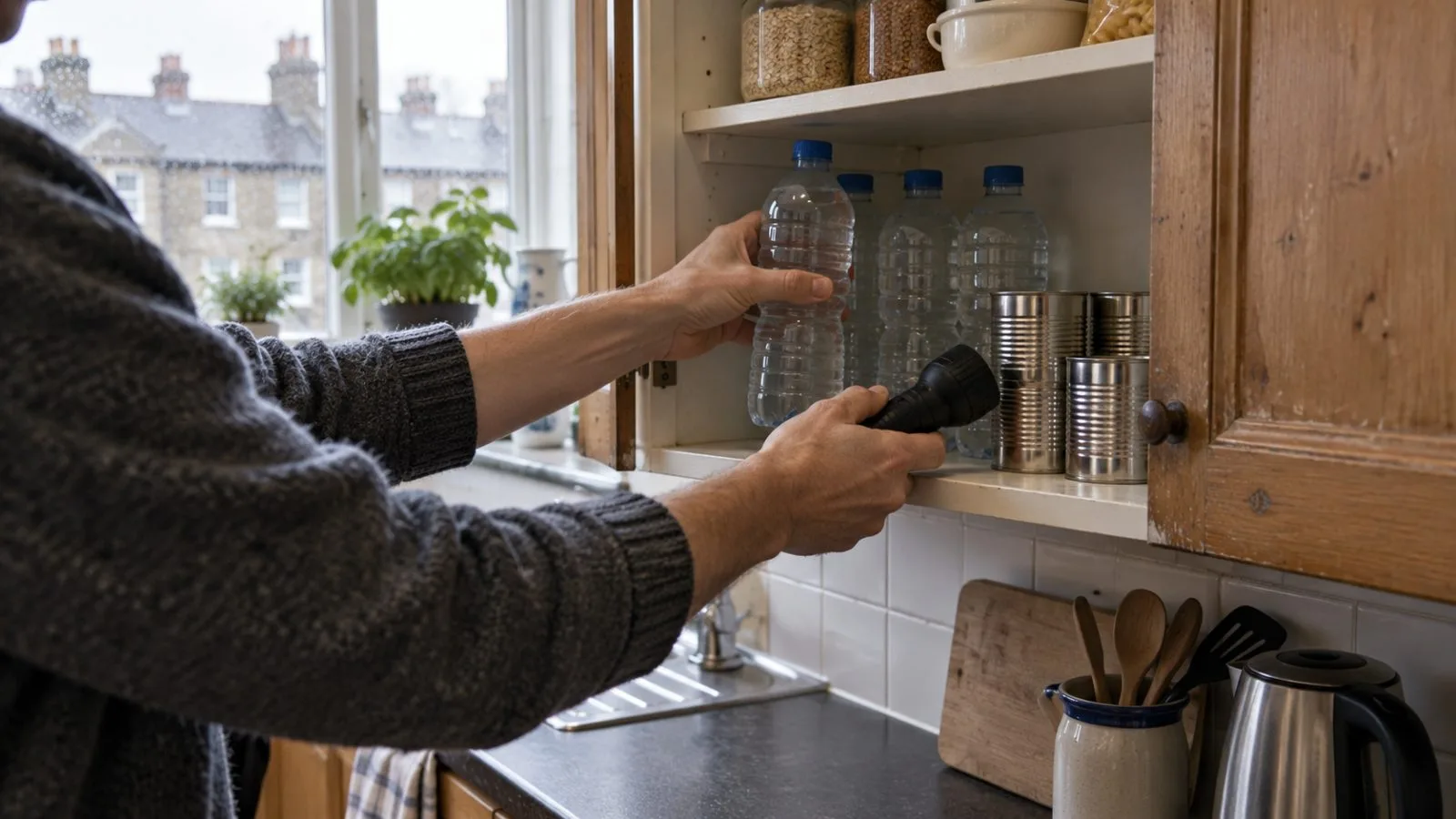
The checklist calls for three days’ worth of nonperishable food and bottled water, setting a drinking-water benchmark of three liters per person per day; households should allow more for cooking and washing. Other suggested supplies include a torch, spare batteries, an FM radio, a power bank, cash and cards, copies of key documents, a first-aid kit and essential medication. It also asks people to account for needs such as infant and pet supplies.
The campaign points to storms, wildfires and other emergencies that can interrupt electricity, water and communications, including phone and internet access. Households are advised to check what they already have and fill gaps in small amounts during regular shopping, spreading purchases over time. The checklist leaves the amount of cash and other household-specific supplies to each family.
Treasury minister James Murray said the government would not impose one shopping list for every household, The Guardian reported Friday, citing his Times Radio interview. The Cabinet Office says household resilience advice has been available since May 2024 and much of the current guidance is unchanged.
The Cabinet Office survey’s core sample included 10,791 UK adults and was surveyed from Feb. 27 to May 11, 2026. Thirteen percent said their household was largely or totally prepared, 33% felt moderately prepared and 50% felt slightly or not at all prepared. Separately, 84% said it was very or somewhat important for the government to provide information on household preparedness.
Security Minister Dan Jarvis said household readiness could reduce pressure on emergency services and help them direct assistance to people with greater needs. More than 500 organizations have signed up to share campaign materials, with social media and radio advertising planned in the coming weeks and months.