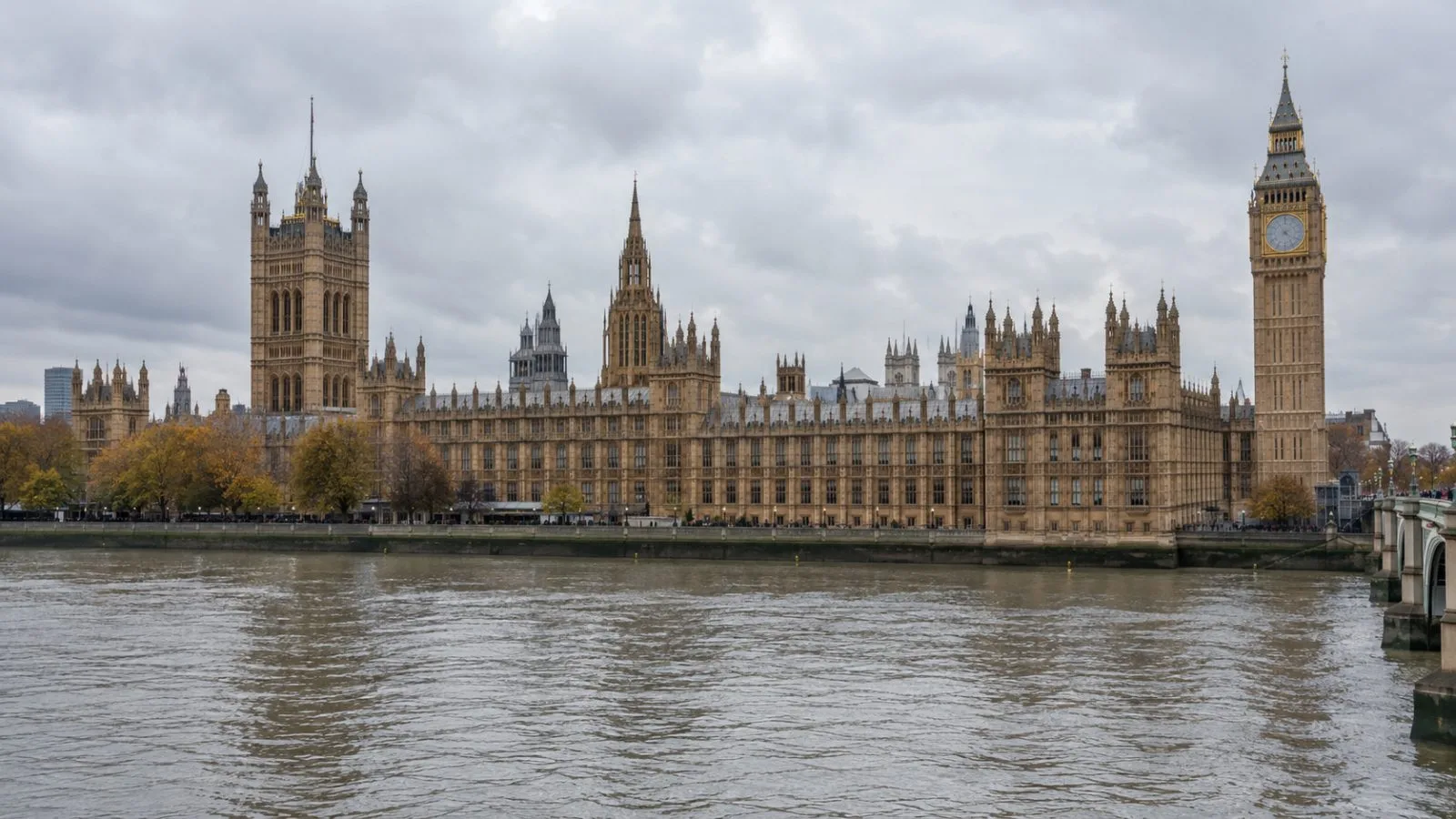
Businesses may face fewer border procedures under a proposed United Kingdom-European Union food pact, but the reviewed UK government guidance gives shoppers no quantified estimate of possible retail savings.
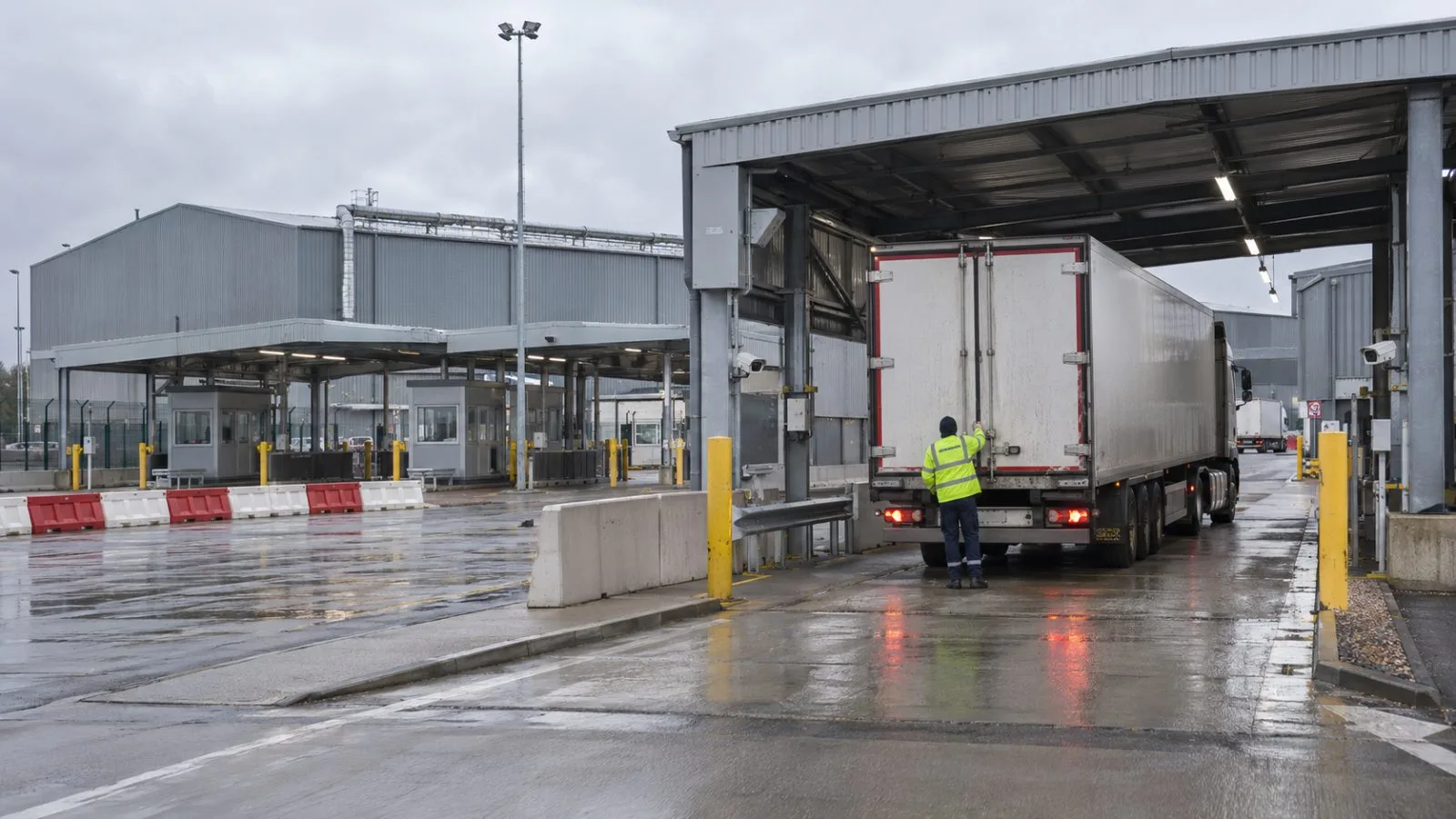
The Guardian and ITV News reported Nov. 3 that negotiators had agreed draft wording for a sanitary and phytosanitary (SPS) agreement. The Guardian reported that most covered movements of animal and plant products between Great Britain, the Crown Dependencies and the EU could proceed without the certificates or controls currently required. The draft has not been published.
The reported step has not put the agreement in force. The Food Standards Agency's October report still described talks as ongoing and anticipated an agreement by year-end. Existing trade requirements remain in place until the new deal takes effect. The UK government has set a mid-2027 implementation target, while The Guardian reported that the start could slip to early 2028.
The government's plan would align UK rules with EU legislation covering food and feed safety, animal and plant health, labeling, organics and pesticides. Business guidance says firms may need to change processing, certification, labeling or IT systems, including companies that do not trade directly with the EU. The prospective reduction in paperwork is aimed at helping exporters, while the listed changes could require work from businesses.
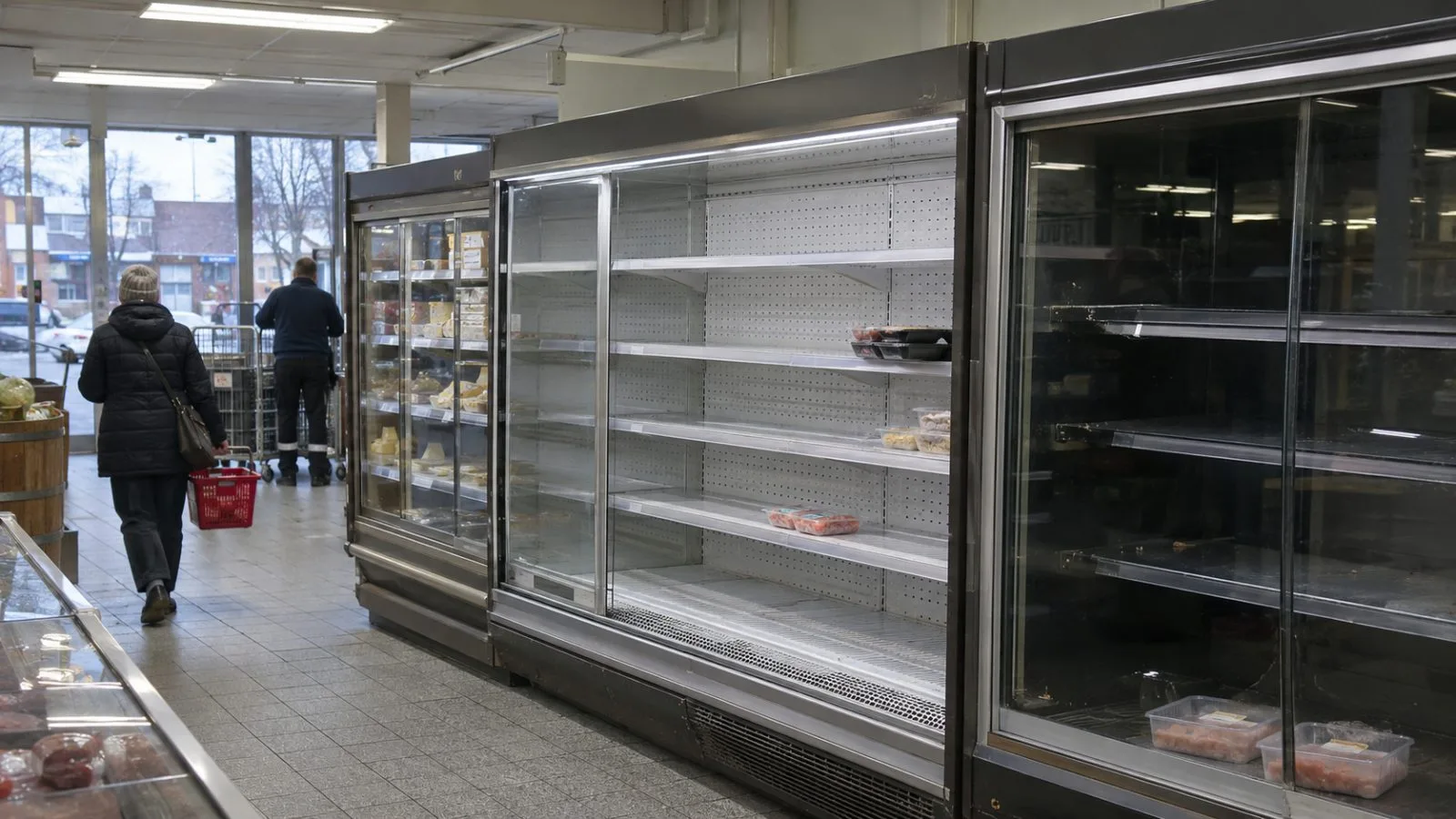
Government guidance says quicker fresh-produce deliveries could give consumers more choice and help reduce pressure on food inflation. The planned agreement would also resume trade in fresh sausages, burgers, certain shellfish and seed potatoes, according to the guidance. Environment Secretary Emma Reynolds said the deal could “put downward pressure on food price inflation.” The reviewed guidance does not estimate how much any product might cost less at checkout.
UK and EU leaders are scheduled to review progress at a summit in Brussels on Nov. 20.