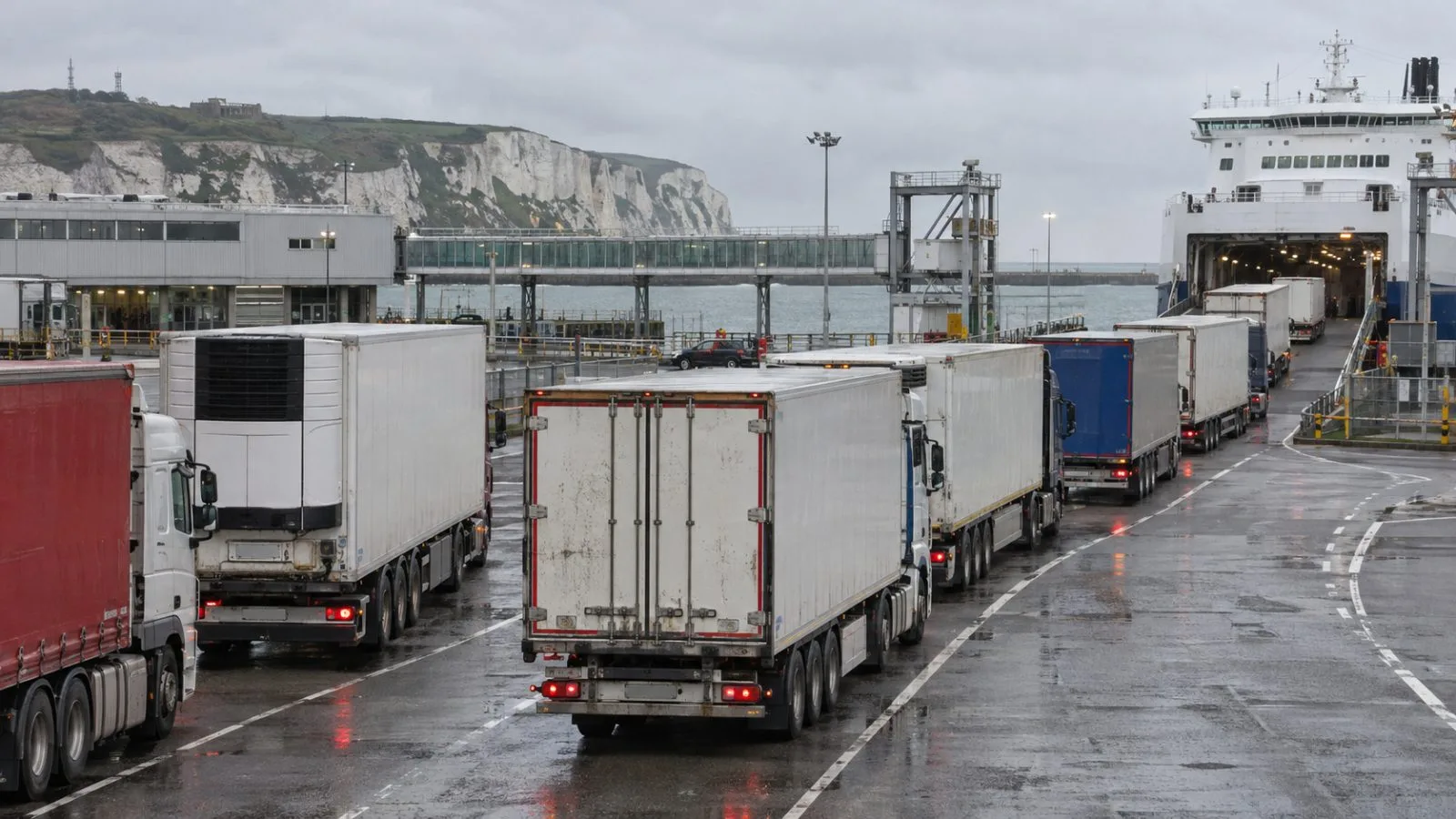
The Guardian and BBC reported Nov. 3 that British and European Union negotiators had settled a draft to ease food trade checks, a step that could lower exporters’ costs after Brexit.
Neither government has published the agreement, and businesses cannot use the proposed arrangements until they are approved and implemented. The Guardian reported a possible start in the first quarter of 2028. It also said the UK Department for Environment, Food and Rural Affairs (Defra) had briefed industry leaders that implementation might slip to 2028, without specifying a quarter. Defra’s published target remains mid-2027.
Under a framework agreed by the UK and European Commission in 2025, the vast majority of covered shipments between Great Britain and the EU would no longer need current health certificates or routine checks. Once the agreement is fully in place, traders moving covered goods between Great Britain and Northern Ireland would receive similar relief. Defra says the digital systems used for customs declarations would stay as they are.
The potential savings are tangible for exporters. Defra says an export health certificate can cost up to £200 per consignment. It puts a phytosanitary certificate at about £25, with an inspection fee of at least £127.60 associated with that certificate.
The reduction in checks would come with a requirement for Great Britain to keep covered rules aligned with EU standards as they change. Defra estimates that about 500,000 businesses would be affected, including firms that sell only within Great Britain. The National Farmers’ Union wants three plant-protection active substances approved in Great Britain retained until the EU decides whether to approve them. It has separately sought a managed transition for 13 substances withdrawn in the EU but still approved in Great Britain.
The reported draft follows the British government’s push to cut trade paperwork for farmers and businesses. The Guardian reported that EU ambassadors are due to consider the text Nov. 4. The Council of the EU must endorse an agreement before it can take effect. UK and EU leaders are scheduled to meet in Brussels on Nov. 20.