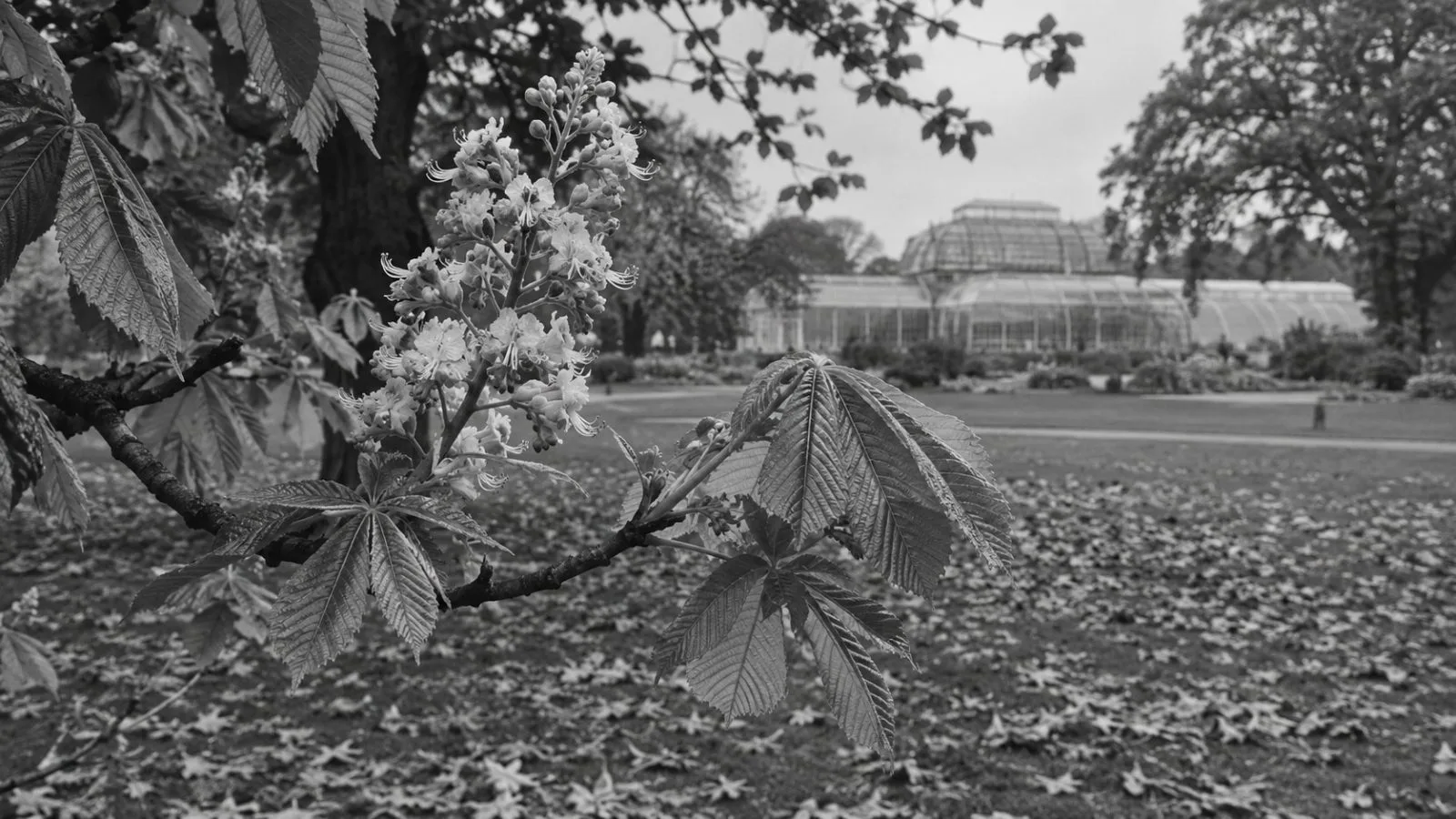
Some UK horse chestnut trees are flowering and producing new growth more than six months ahead of schedule, raising concerns that trees and pollinating insects may fall out of sync.
Provisional figures from the Met Office put October's mean temperature across the United Kingdom at 10.6°C, 0.9°C above the 1991-2020 average. It was the ninth month in a row with an above-average mean, and every part of the country was warmer than that benchmark.
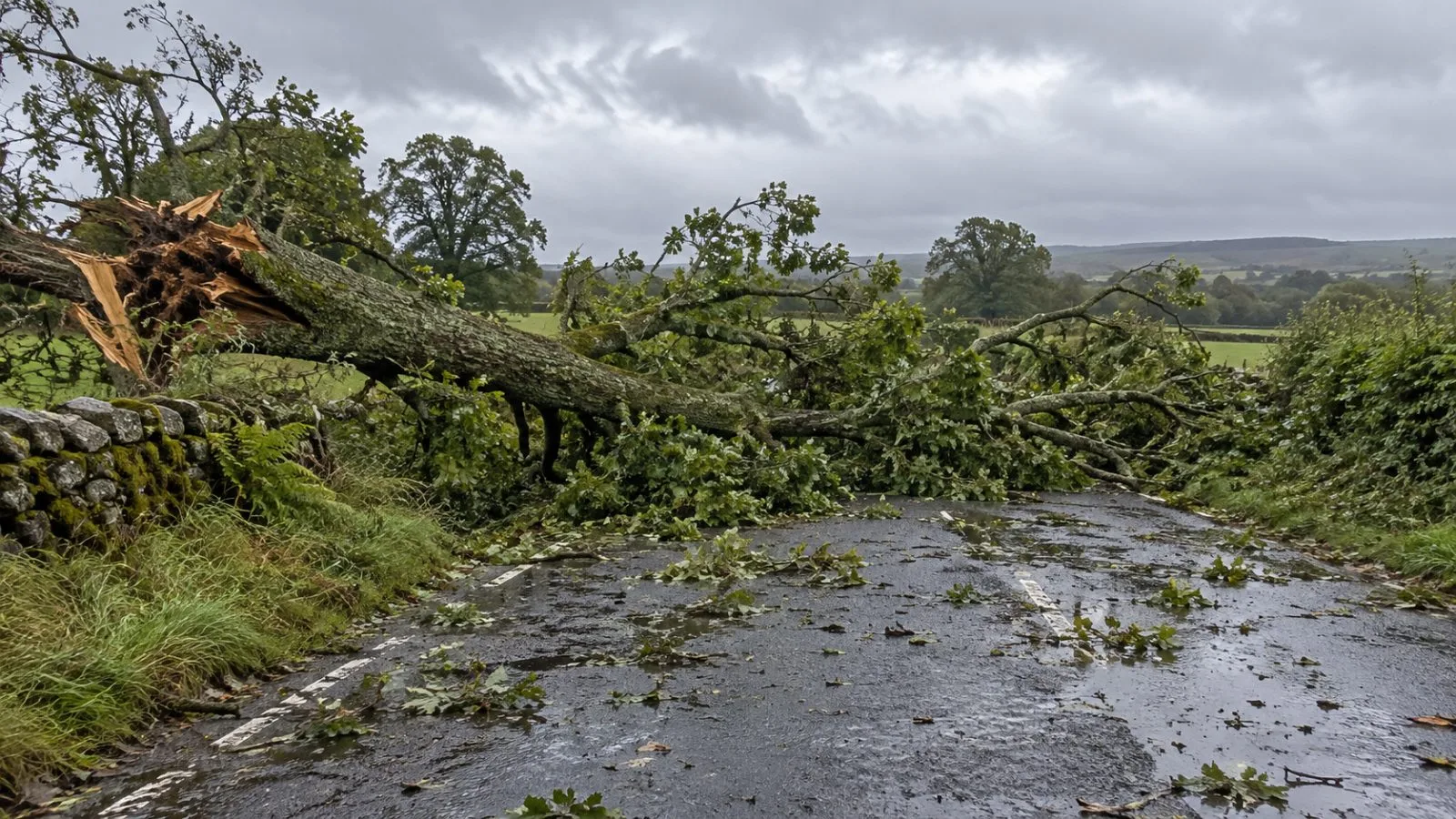
The Guardian reported Friday that trees at Kew Gardens had also begun growing early after summer dormancy, according to Kevin Martin, the garden's head of tree collections. Martin said those trees may not have those buds again in spring. He also told the newspaper he had seen more tree failures during Storm Austen and Storm Boelo than he would normally expect from winds of those speeds.
Dr Kate Lewthwaite, the Woodland Trust's citizen science manager, suspected summer drought had shut down essential systems in trees, in a way similar to winter. She said later rain may have prompted some trees to flower outside their usual season. Lewthwaite said early blooms can signal stress: an affected tree may die or rely on dormant buds for replacement growth, leaving it with a smaller canopy next year.
Chris Nichols, the Woodland Trust's head of conservation outcomes, told The Guardian that mistimed flowering could affect pollinators and trees' long-term resilience. “Trees need to flower at a certain time of year so they’re in sync with the insects,” he said. His warning centers on the risk that flowers and insects may follow different seasonal schedules.
The concerns span pollination and the trees' own growth: Nichols focused on the timing of flowers and insects, while Lewthwaite described a possible cost to next year's canopy. Martin said the impact of Kew's early growth may not be clear until spring 2028.