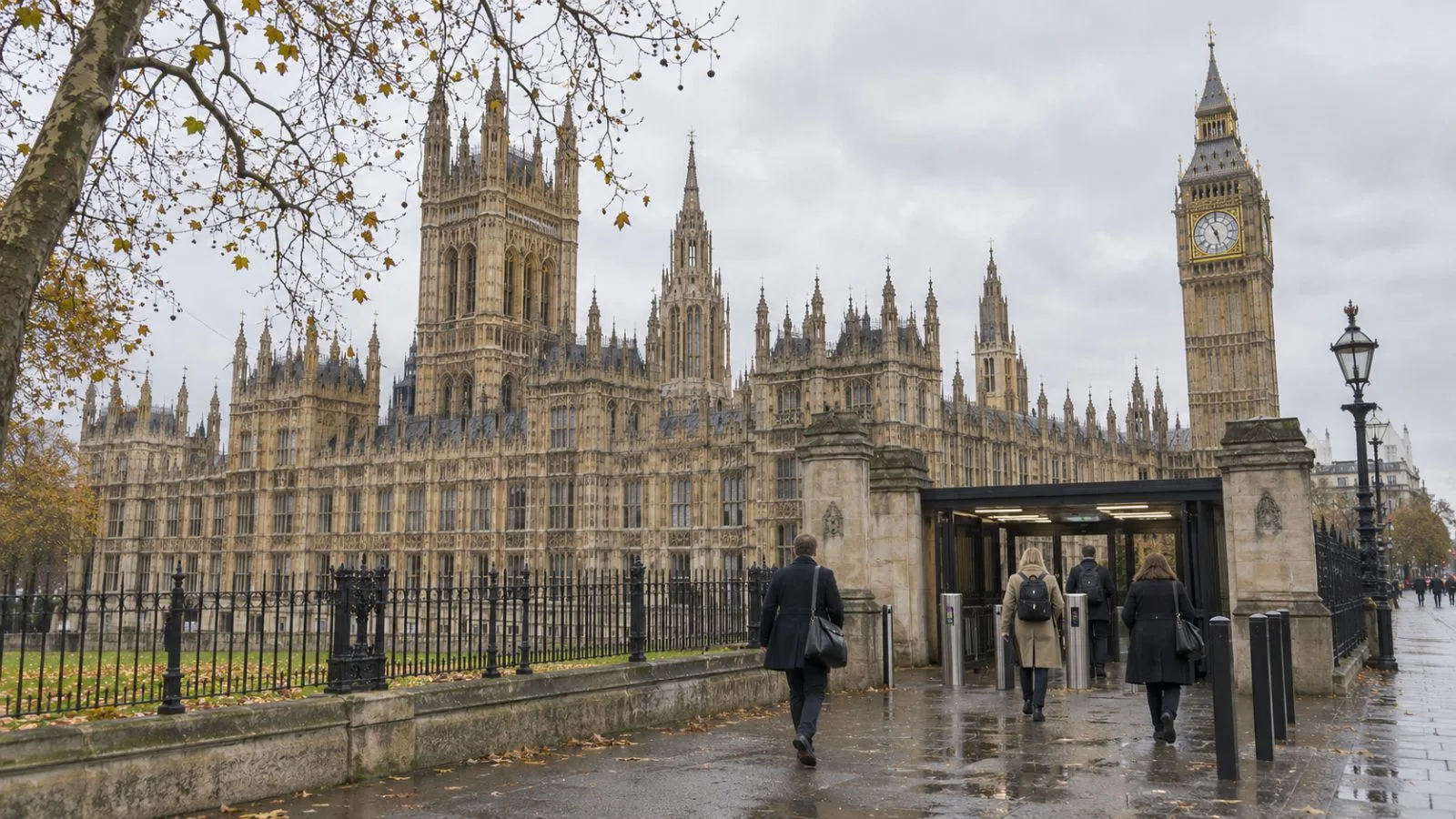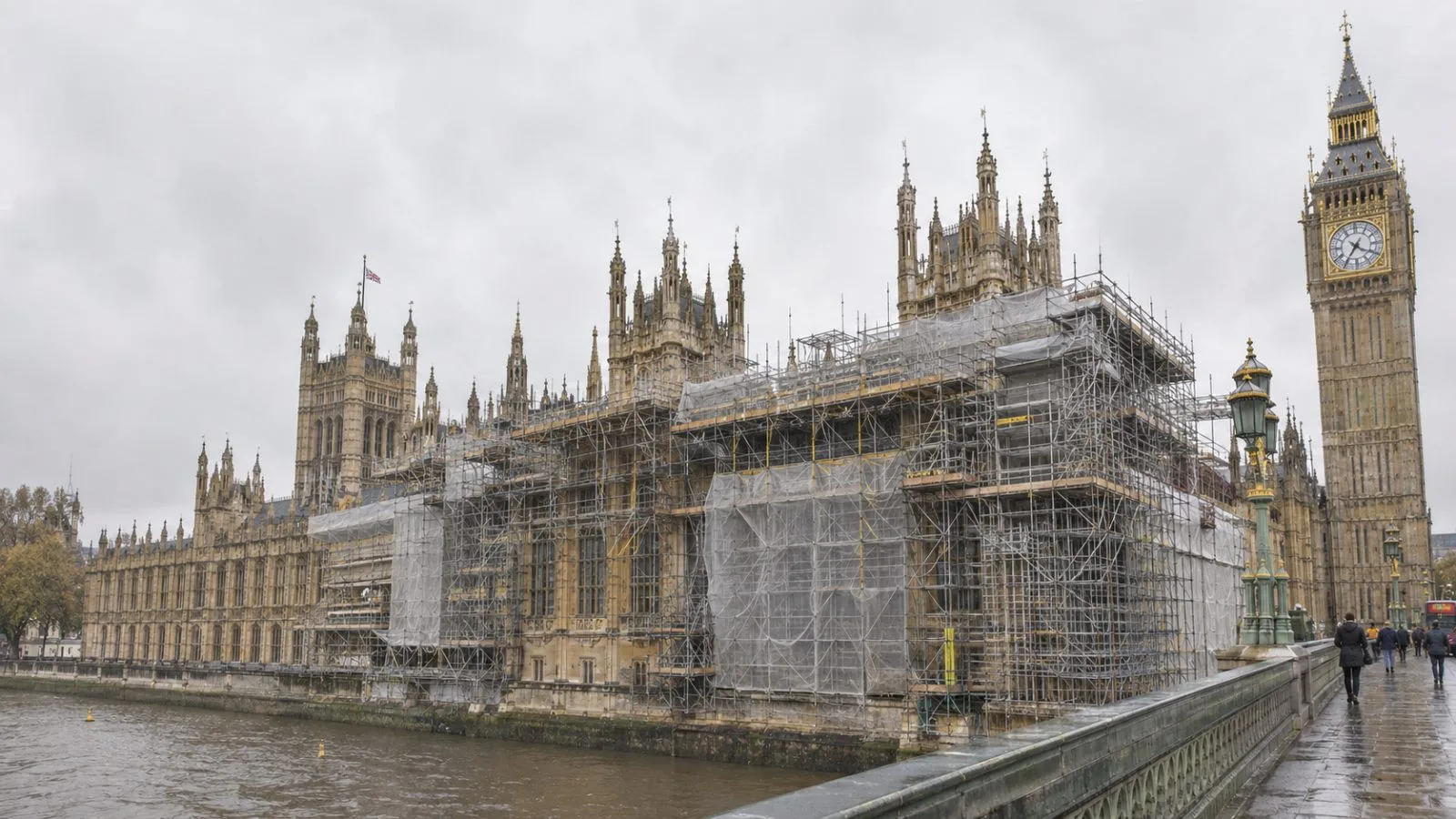
A delay in deciding how to restore the Palace of Westminster could add £420 million to the programme’s potential lifetime cost per year, the House of Commons Committee of Public Accounts said Nov. 4.
The warning adds detail to EconoTimes’ earlier coverage of Westminster restoration delay costs. MPs and peers are being asked to narrow four delivery options to Full Decant and Enhanced Maintenance and Improvement plus (EMI+). A proposed first phase would last seven years and be capped at £3 billion. The committee has endorsed neither option.
Full Decant is estimated to cost £11.1 billion to £15.6 billion and take 19 to 24 years. EMI+ is projected at £19.5 billion to £39.2 billion over 38 to 61 years.
The costed proposals assumed a vote before Easter 2026. The Delivery Authority estimated that a debate pushed beyond summer to the end of 2026 could add £220 million to £290 million, including inflation. The committee said the Clerks of both Houses estimated that debates in early or mid-2027 could push additional costs above £479 million.
The committee put current Palace maintenance at about £1.5 million a week and said it is expected to rise to £2 million. The Restoration and Renewal Client Board’s 2026 costed proposals report recorded 36 fire incidents, 12 asbestos incidents and 19 stonemasonry incidents at the site since 2016. The Client Board report also said reactive maintenance tasks rose 70% between 2021-22 and 2023-24.
In a written answer published Nov. 2, Parliament said the Restoration and Renewal Programme remained limited to preparatory work under the 2019 Act, with major construction not yet underway. The Client Board said the need to schedule work around parliamentary business has kept underlying building problems unresolved. The committee also identified delays to temporary accommodation: refurbishment of Parliament’s Northern Estate, planned for the Commons, has fallen behind schedule, while acquisition of the QE2 Conference Centre for the Lords is taking longer than expected.
Sir Geoffrey Clifton-Brown, chair of the Committee of Public Accounts, described the dangers as “real and rising risks.” The committee said delay would have consequences for taxpayers and future generations. It described the next vote on which options to develop as forthcoming but gave no date, saying the government must timetable the vote. A final decision on delivery is expected by 2030.