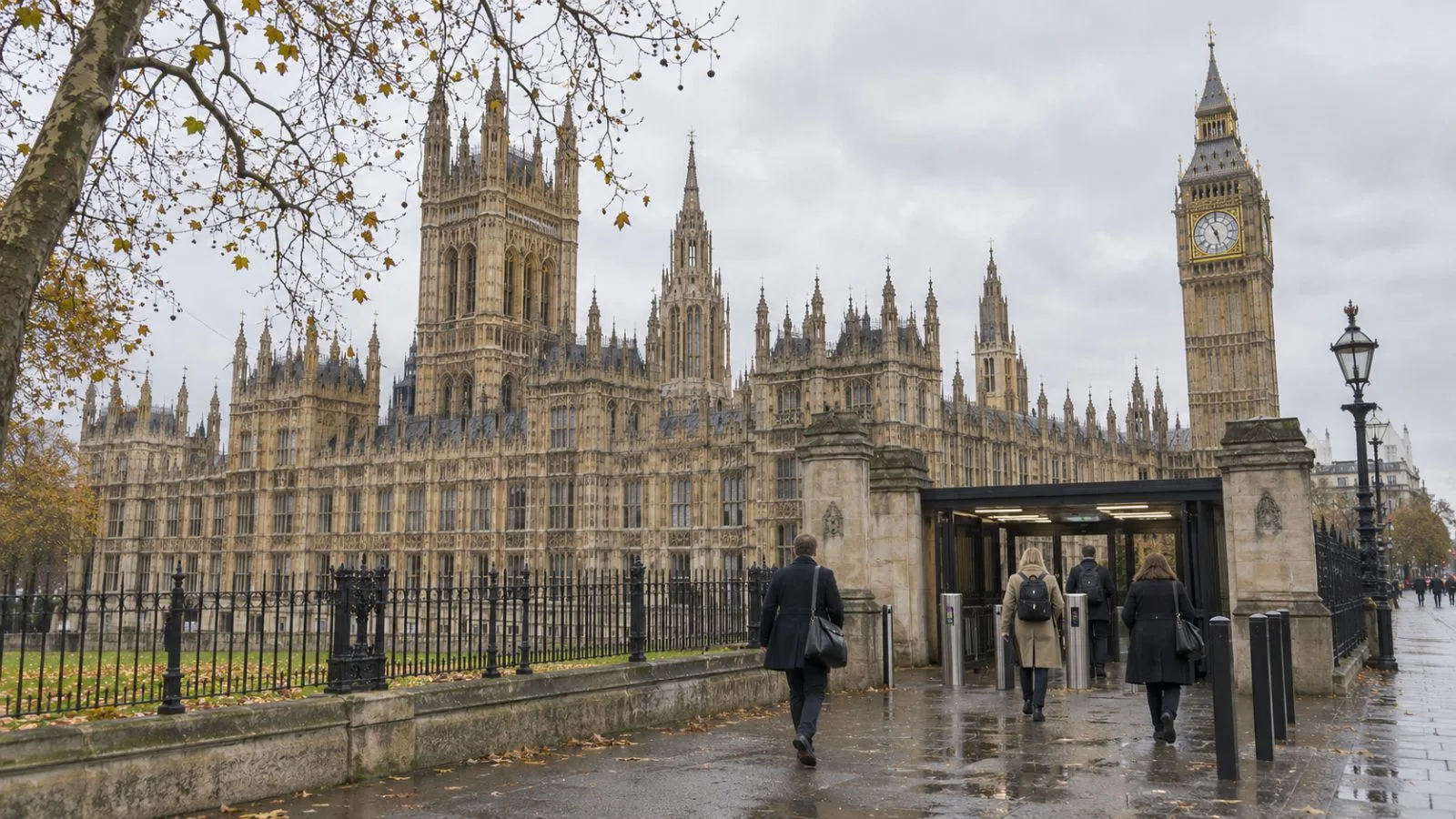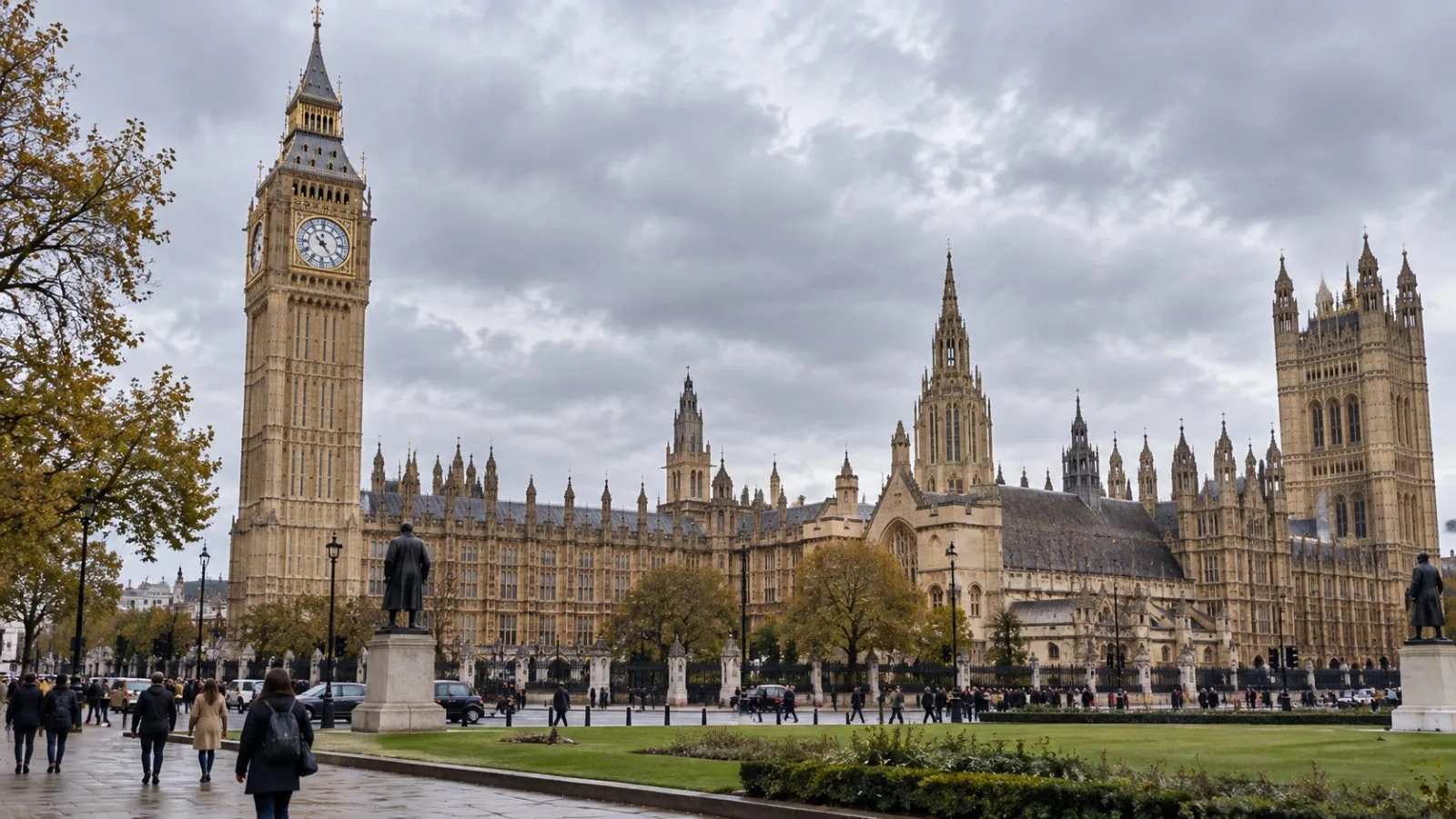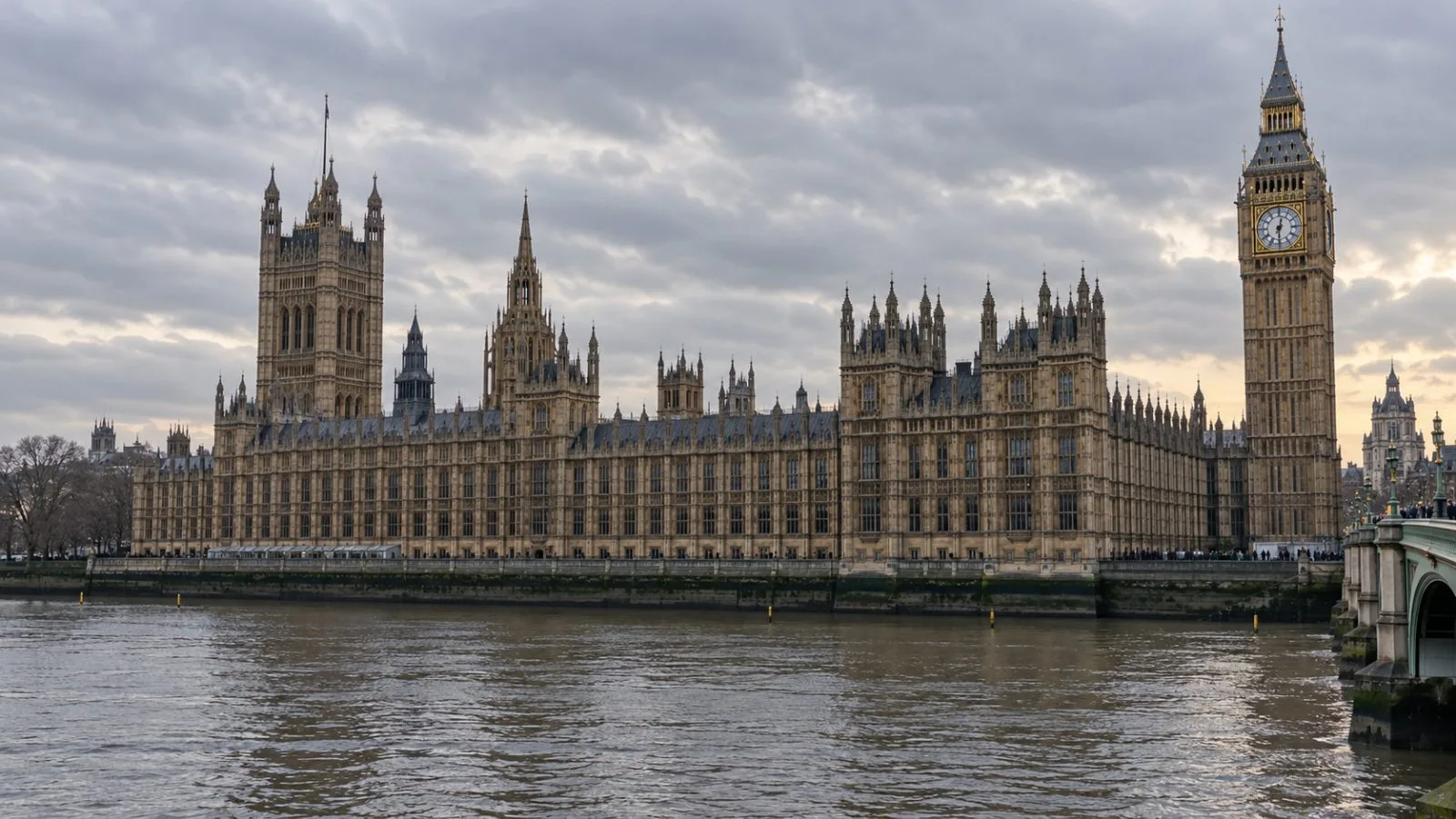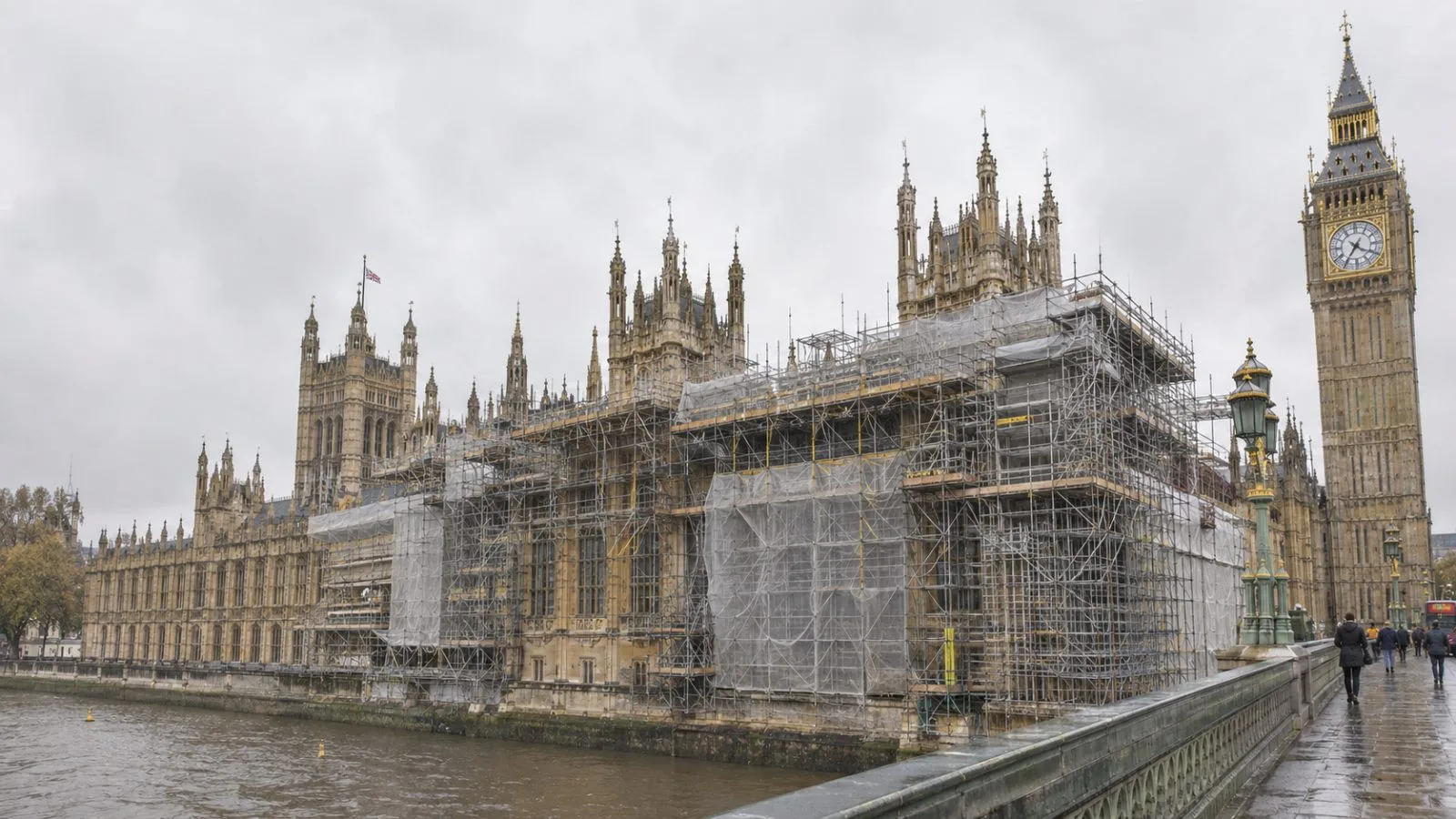
The U.K. Parliament’s Public Accounts Committee (PAC) said Nov. 4 that delays in temporary accommodation could push back the Palace of Westminster restoration timetable, putting the full-decant option at risk as Parliament weighs how to proceed.
Under that option, the move was initially planned for 2032, subject to approval. But accommodation for the House of Commons on Parliament’s Northern Estate is not expected to be ready before 2034. Plans to secure the Queen Elizabeth II (QE2) Centre for the House of Lords are also taking longer than planned.
Strategic Estates is refurbishing the Northern Estate, while the Palace of Westminster Restoration and Renewal Delivery Authority is responsible for accommodation for the Lords. The PAC said governance across the program is complex, accountability is unclear and no single body is in charge. Reaching agreement across Parliament could add to delay and cost risks, the committee said.
The PAC said maintaining the Palace costs about £1.5 million a week, with weekly spending projected to reach £2 million. Separately, the committee said a vote expected before Easter had been delayed until the end of 2026, and that postponement could cost taxpayers up to £290 million. That estimate follows the PAC’s earlier warning about the lifetime costs of delaying the restoration decision.
Phase One has a £3 billion spending cap, of which £500 million remains unallocated for three projects still needing cost estimates and for contingency. They include riverside security, isolating and decommissioning essential services before relocating them, and restoring the medieval cloister court.
PAC Chair Sir Geoffrey Clifton-Brown said the committee had raised risks three years ago, including the possibility that the Chamber could be plunged into darkness during the State Opening and a fire with consequences like Notre-Dame’s. He described the risks as “real and rising.” The report also points to temporary chamber arrangements at Canada’s Parliament and remedial work at Buckingham Palace as comparisons.
Parliament is expected to vote on the way forward by the end of 2026. A final decision on the main delivery approach is due by 2030.