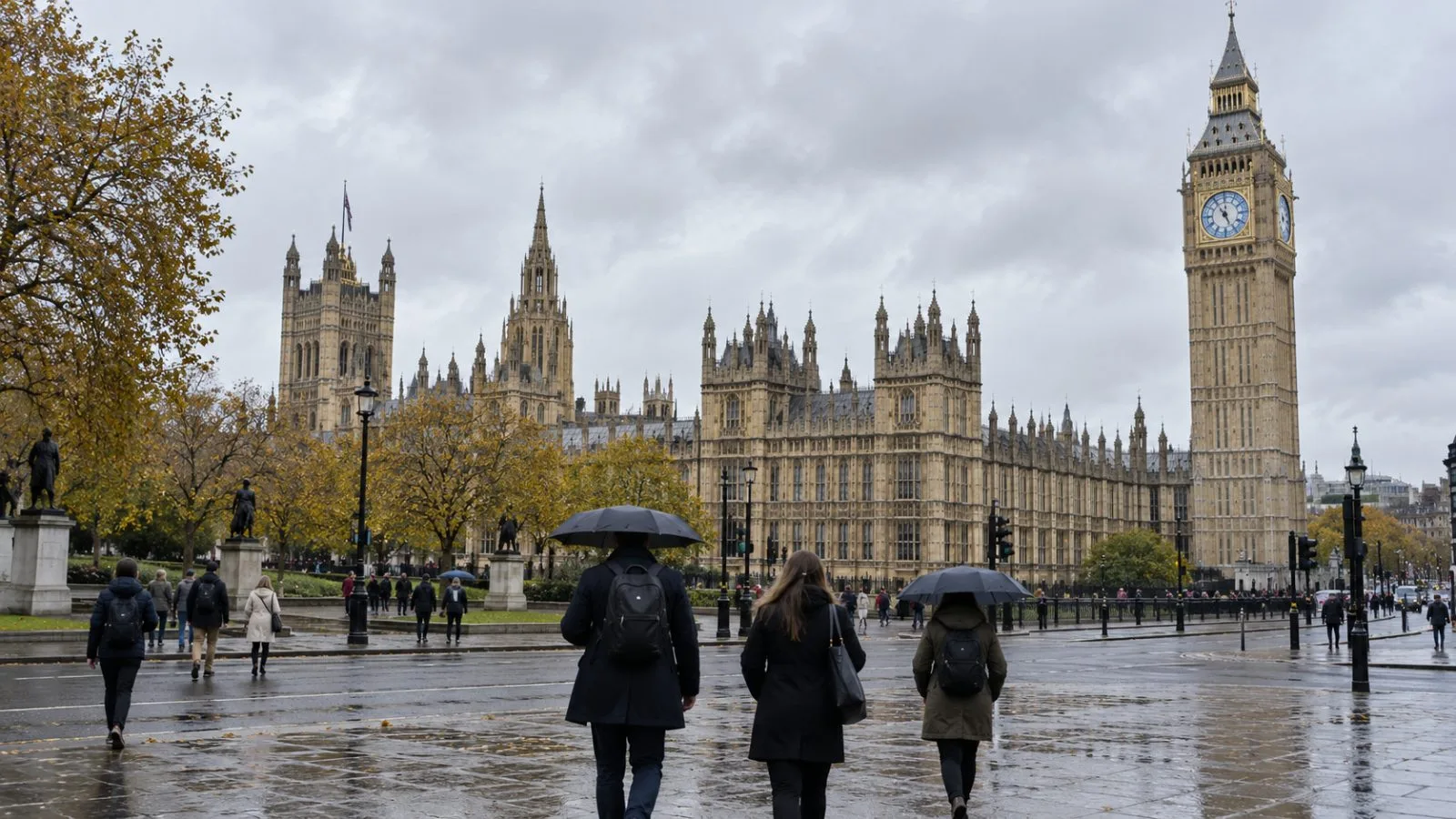
A poll found 63% of UK adults support higher taxes on people with wealth above £10 million, while a separate study found politicians weighing electoral risks and practical questions about tax design ahead of the Oct. 28 Budget.
Support was 75% among respondents who said they voted Labour in 2024, 74% among those who voted Liberal Democrat, 55% among those who voted Conservative and 54% among those who voted Reform. Survation surveyed 2,037 UK residents ages 18 and older online from Oct. 2–5, 2026. Tax Justice UK commissioned the poll, and the results were weighted to reflect the adult population.
The poll also found support for higher taxes on energy-company windfall profits at 62% and on banks’ excess profits at 61%. Twenty-eight percent supported funding Burnham’s priorities through cuts to other public services.
The separate study, published Oct. 21 by the Fraser of Allander Institute at the University of Strathclyde and Tax Justice UK, drew on interviews conducted from February through July. Researchers heard from 20 Westminster MPs, nine Scottish Parliament members and one Welsh Senedd member. They discussed proposals including a 2% annual tax on assets above £10 million; these were interview topics, not announced government policies.
Interviewees raised concerns about possible economic and revenue effects, asset valuation and enforcement, as well as electoral attacks and party discipline. The study also recorded ideological objections, concerns about media coverage and public understanding, and perceptions of influence by wealthy people and businesses. Some Labour participants said public backing from party leaders could make it easier to advocate for a wealth tax.
One Liberal Democrat politician interviewed in Westminster said support would depend on leaders being ready to announce the policy: “If the leadership got into a position where they felt like that was a policy to announce, then I’d get behind it, yeah.” The report also records one Labour interviewee citing campaigning against inheritance-tax changes affecting farmers as an example of opposition to a tax proposal gathering quickly. Interviewees said short election cycles can make the immediate political risks feel more pressing than later benefits.
The authors said the interviews cannot show how widely these views are held among politicians. The study does not estimate how many MPs support a wealth tax, and its small number of right-leaning participants limits comparisons across parties. Its discussion says a tax’s direct costs could fall on a relatively small wealthy group, while potential revenue could support public services and community investment more broadly.
HM Revenue & Customs (HMRC) says Chancellor John Healey is scheduled to deliver the Budget to Parliament on Oct. 28, with full announcement details due that day.