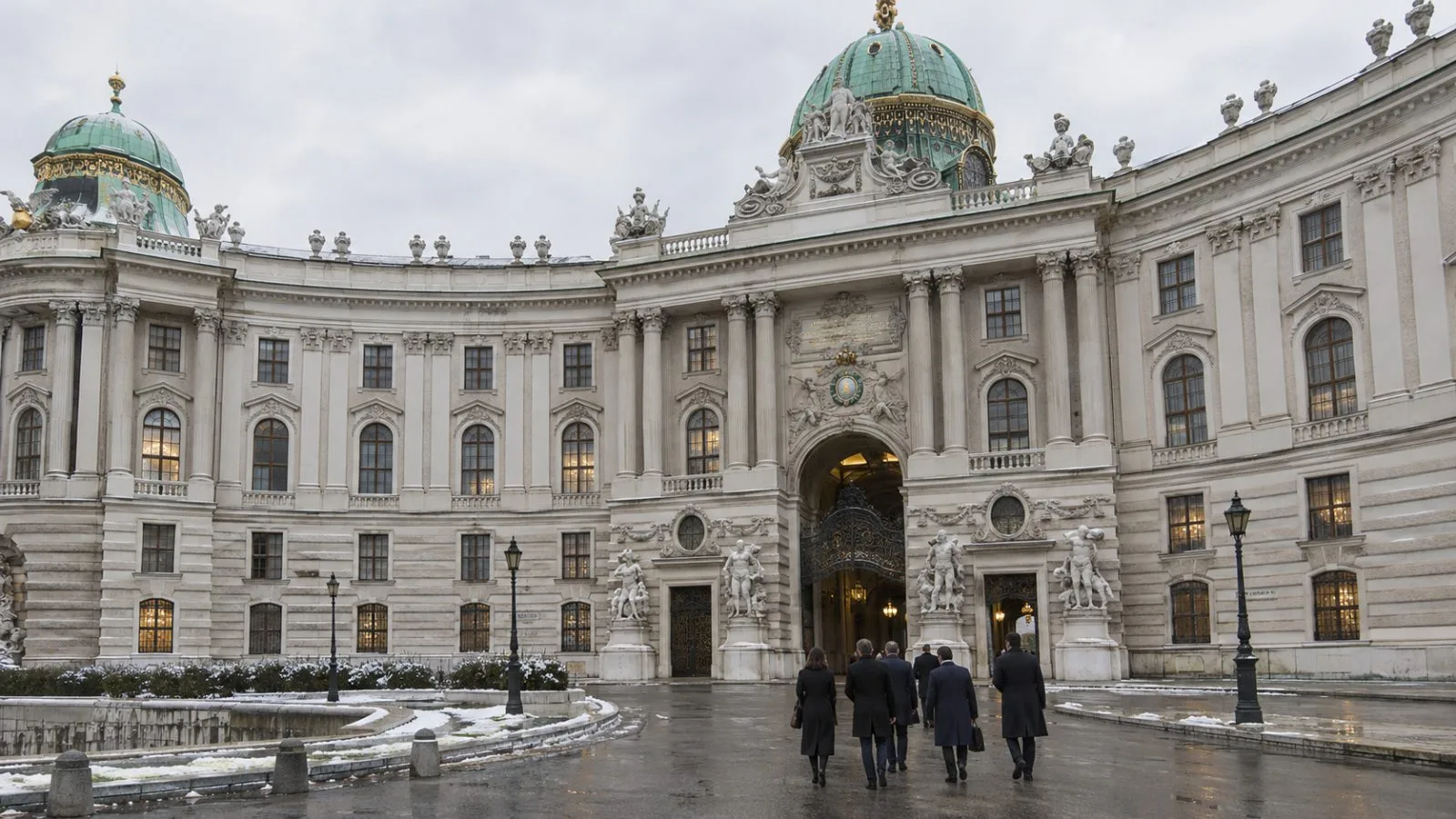
The UK renewed its support for the Organization for Security and Co-operation in Europe’s High Commissioner on National Minorities on Nov. 26, citing the office’s role in preventing identity tensions from becoming conflict.
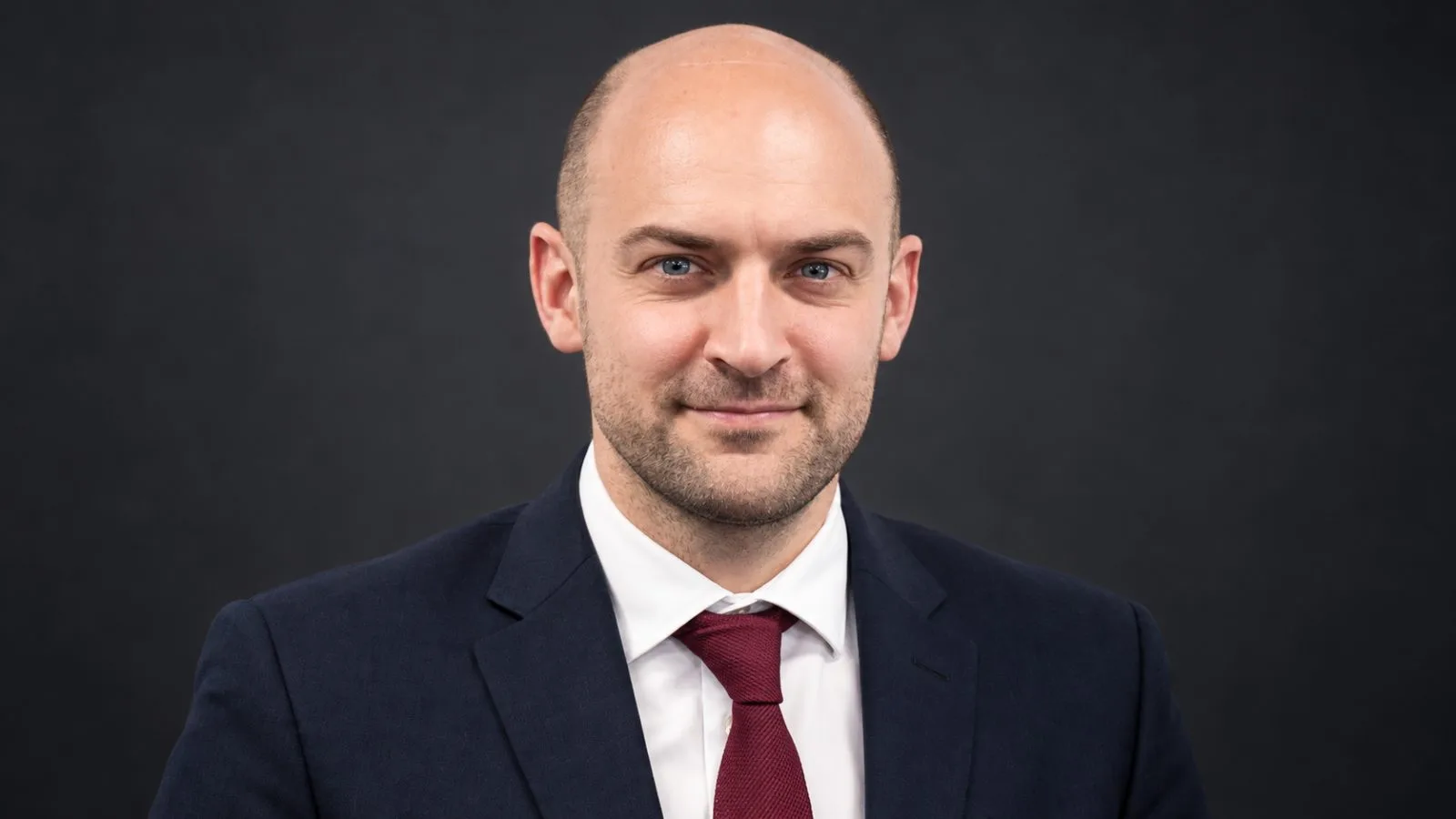
Ambassador Neil Holland delivered the remarks at a Permanent Council meeting in Vienna. He described the commissioner’s work as preventive engagement that helps participating states address disputes before they escalate.
Holland said governments should consult national minority communities when developing policy. He also said multilingual education can help minorities preserve their identities while participating fully in wider society.
The ambassador highlighted the commissioner’s recent visit to Chernivtsi while discussing the office’s work in Ukraine. He said Ukraine remains engaged with the institution and is pursuing reforms affecting minorities, including measures that strengthen their educational rights. UK extrabudgetary contributions support the High Commissioner’s work in Ukraine and Moldova.
Holland said Russia was exploiting language, identity and history to deepen divisions, manufacture grievances and fuel instability. He said concerns about minority rights cannot be used to justify interference in neighboring states or wars of aggression.
In Ukraine’s temporarily occupied territories, Holland said Russia is suppressing Ukrainian identity and the rights of minority communities. Crimean Tatars face particularly severe repression, he said. Holland also pointed to Russia’s treatment of minority languages and cultures within its own borders as evidence of a gap between its rhetoric and conduct.
The UK backed implementation of the Siena Recommendations on Contested Histories and National Minorities. Holland said disputes involving monuments, commemorations, education and public narratives can deepen mistrust, while inclusive and transparent processes can make history a basis for dialogue rather than confrontation.
He said the High Commissioner’s mandate remains a vital part of the OSCE’s conflict-prevention work and that the UK’s support would continue.