The United Kingdom urged Eswatini to decriminalize consensual same-sex conduct, curb violence against women and girls and abolish capital punishment in a statement published Nov. 9.
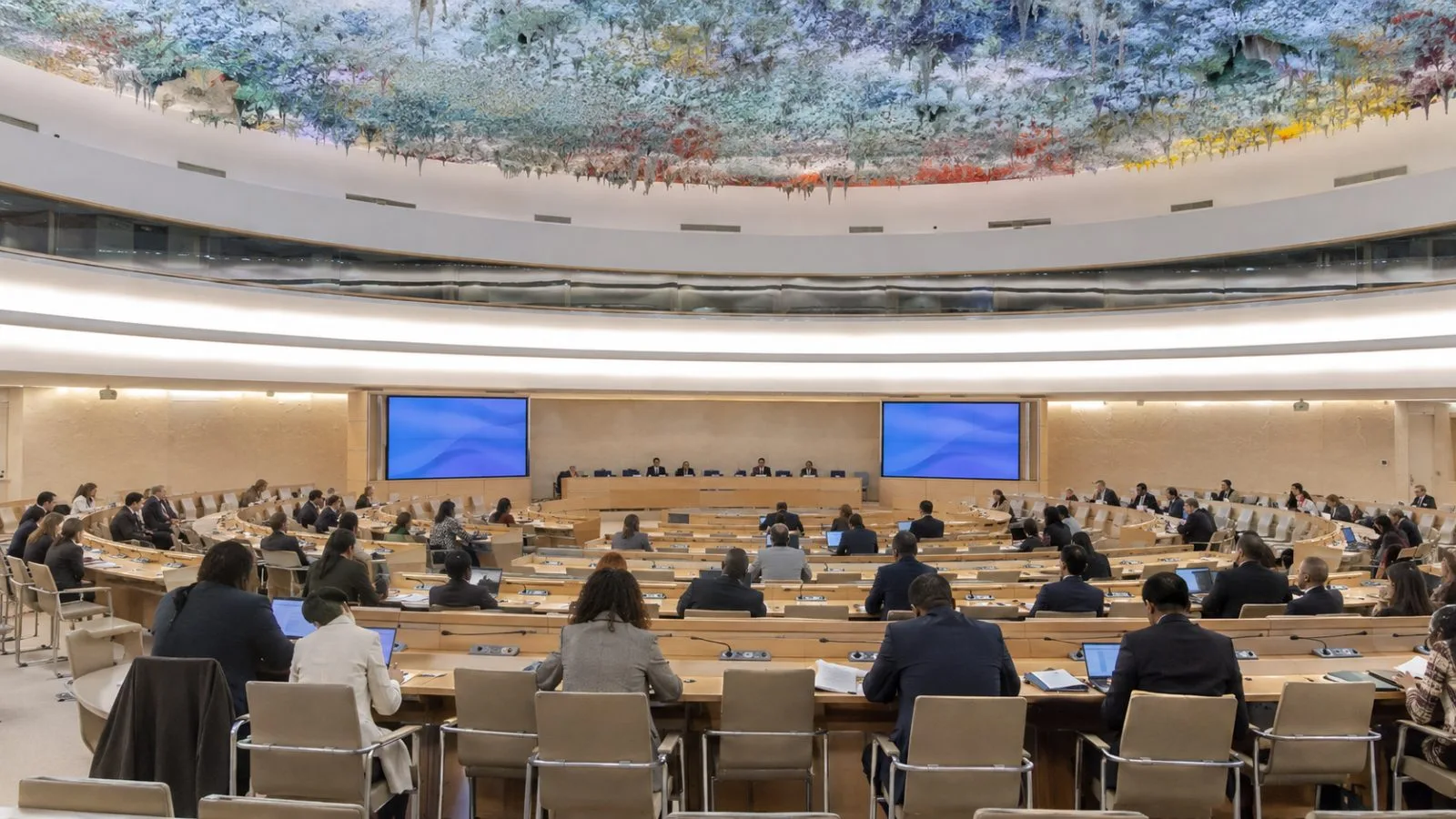
The statement addressed Eswatini during the 53rd session of the Universal Periodic Review (UPR) Working Group in Geneva. The UPR gives governments a forum to report human rights progress, identify challenges and consider recommendations for protecting rights.
The UK said LGBT+ people in Eswatini continue to face discrimination and harassment, while violence against women and girls remains high. It called for removing criminal penalties on consensual same-sex conduct and taking steps to address discrimination tied to sexual orientation or gender identity. Britain also backed registration and independent operations for organizations advocating LGBT+ rights.
For violence against women and girls, the UK proposed tougher laws and penalties. It also called for public awareness efforts and community involvement to help prevent abuse and reduce its prevalence.
On capital punishment, Britain asked Eswatini to formally abolish the practice in law and commute all existing death sentences. The UK recognized human rights progress since Eswatini’s previous review and separately welcomed improved social stability.
The UK also urged authorities to respond to protests proportionately and in line with international human rights law, linking that approach to protecting freedom of expression. Its statement says the previous review followed a violent response to protesters during civil unrest earlier that year.
Britain made a related call during Antigua and Barbuda’s review, urging the country to preserve its de facto halt on executions and consider steps toward abolition, as covered in EconoTimes’ earlier account of the recommendations.