Britain and Germany used a London defense meeting Thursday to advance industrial cooperation and review joint military programs, including a long-range strike project intended to address capability gaps and support NATO deterrence.
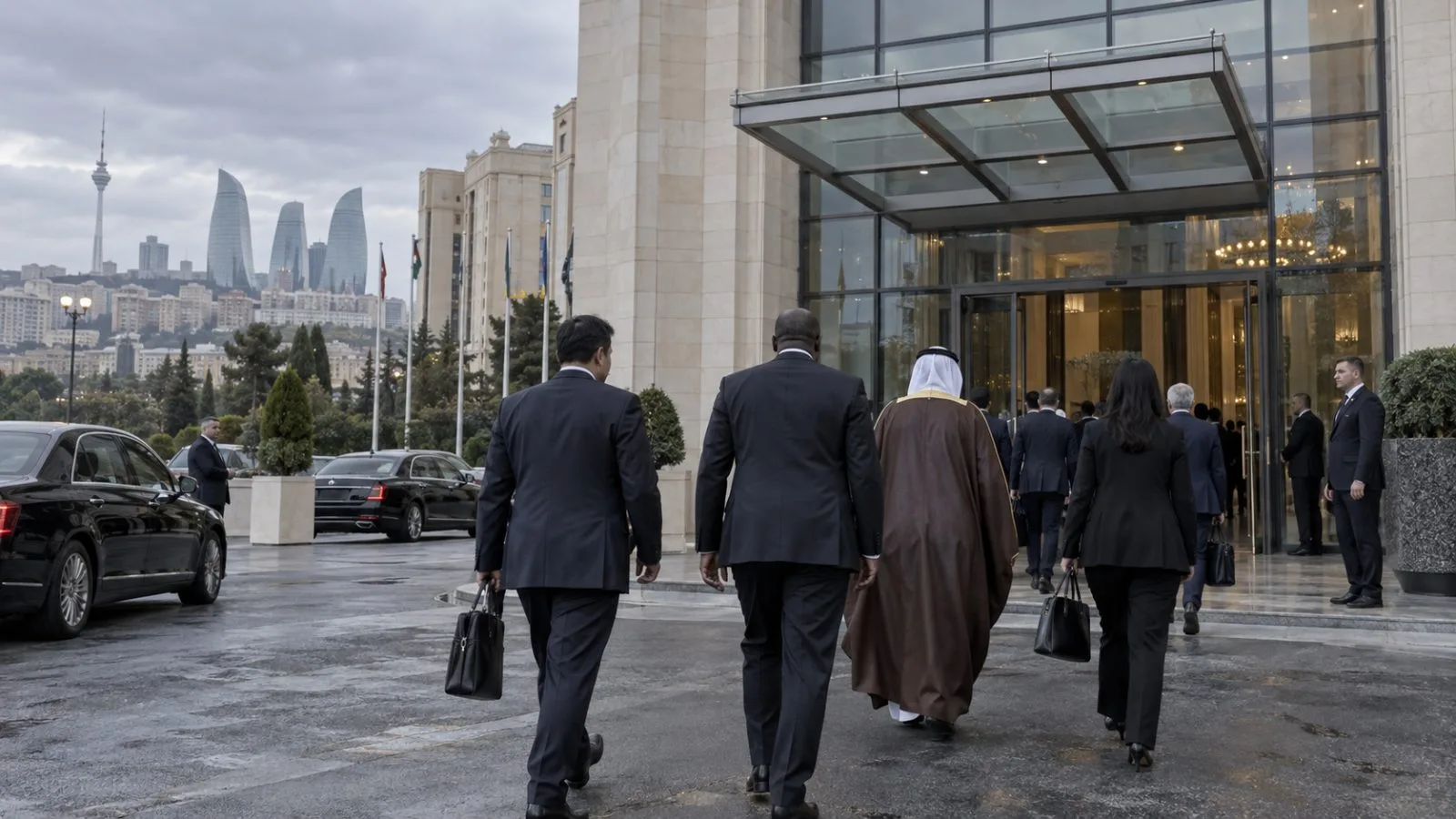
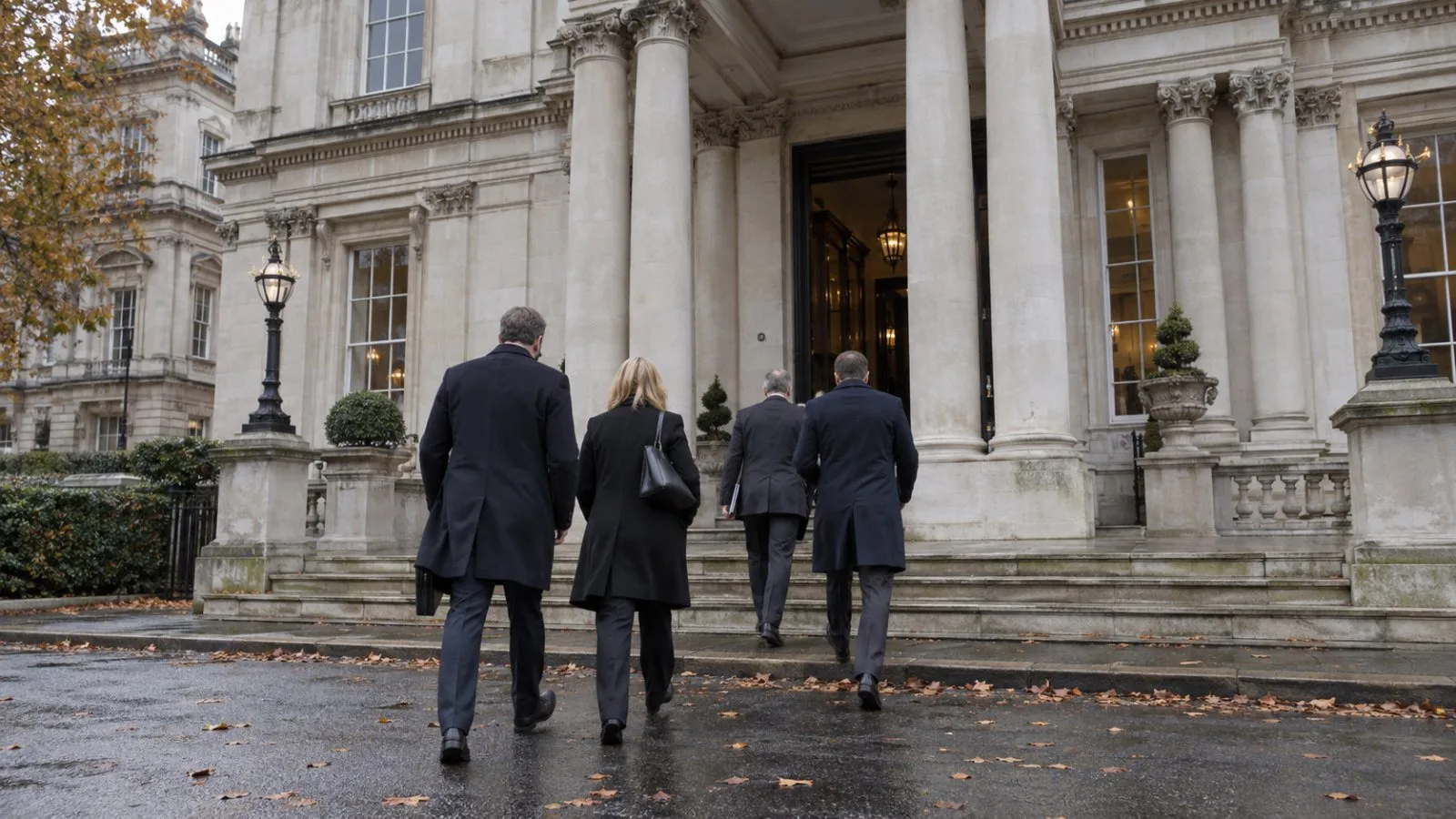
At Lancaster House on Oct. 15, U.K. Minister for Defence Readiness and Industry Luke Pollard met Germany’s Jens Plötner, the state secretary for armament and innovation. The U.K. Ministry of Defence said the bilateral equipment and capability forum, known as MECC, brought officials, military leaders and industry representatives together to review shared programs and industrial priorities.
Deep Precision Strike was among the central items. The joint initiative aims to give both countries a long-range strike capability and address areas where their armed forces have identified shortfalls, the ministry said. It linked the effort to strengthening NATO’s deterrence.
The meeting drew on two agreements with different roles. The Trinity House Agreement, reached in October 2024, sets out bilateral work across air, land, maritime, cyber and space. The Kensington Treaty, concluded in July 2025, provides the wider strategic framework for relations between the countries.
The session followed the prime minister’s Oct. 8 trip to Berlin, where the governments set out plans for closer space ties and a Counter-Hybrid Partnership to improve resilience against grey-zone threats. Pollard said the cooperation should bring practical benefits to military units and defense companies as both governments respond to a changing security environment. He also pointed to the need for stronger industrial foundations and resilience.
After the MECC session, Pollard and Plötner took part in a panel at the German Embassy in London. Senior policymakers and industry executives discussed progress and priorities for further cooperation. Panel participants included Dr Philipp Kerth, Hypersonica’s co-founder and chief executive, and Alex Zino, who leads business development and future programs at Rolls-Royce.
The ministry described the meeting as one part of broader bilateral preparations ahead of the EU-UK summit.