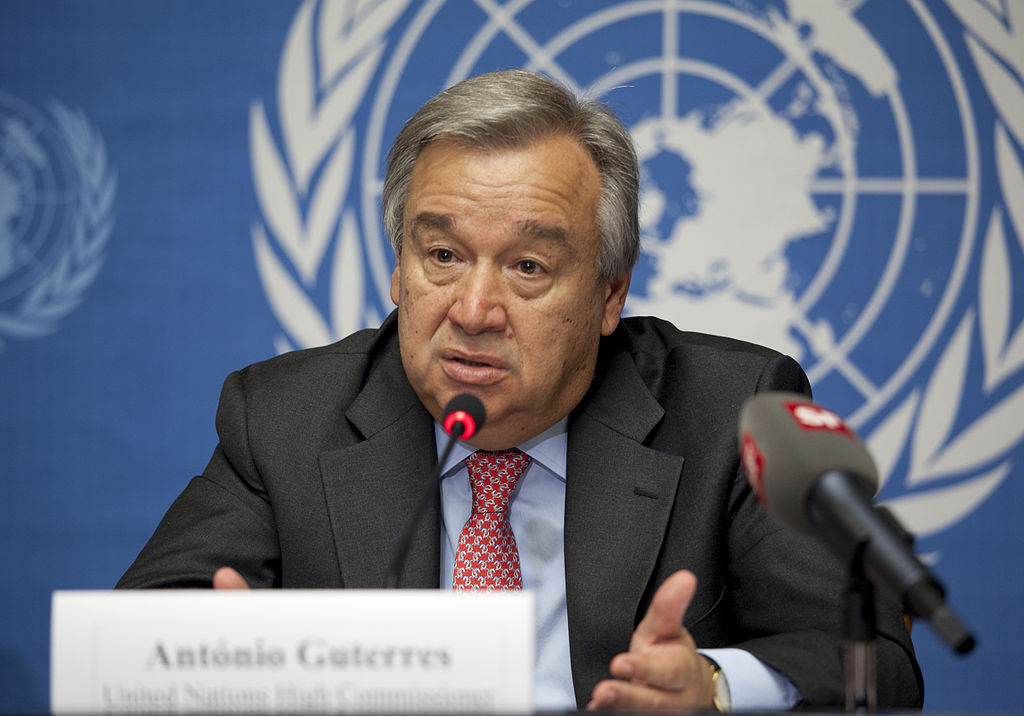
United Nations Secretary-General Antonio Guterres has expressed serious concern over the United States’ decision to impose sanctions on International Criminal Court President Tomoko Akane and senior trial lawyer Abdoulaye Seye, according to a U.N. spokesperson.
The latest U.S. sanctions against ICC officials mark another escalation in Washington’s campaign against the Hague-based international court. U.S. Secretary of State Marco Rubio announced the measures on Tuesday as the Trump administration continues to increase pressure on the institution and its personnel.
Speaking during a regular U.N. briefing in New York on Wednesday, U.N. spokesperson Stephane Dujarric said Guterres was troubled by the latest designations as well as previous sanctions targeting other ICC employees.
“The Secretary-General expresses serious concern about this designation, as well as the ongoing designation of other International Criminal Court employees,” Dujarric said.
The International Criminal Court was established in 2002 to investigate and prosecute individuals accused of some of the world’s gravest offenses. Its jurisdiction covers crimes including genocide, war crimes and crimes against humanity.
Although the United Nations and the ICC operate independently and have different mandates, the U.N. continues to emphasize the court’s importance to the international justice system.
Dujarric described the ICC as “a key pillar of international criminal justice,” underscoring the U.N.’s support for institutions working to ensure accountability for serious international crimes.
The sanctions come amid heightened tensions between the Trump administration and the ICC. Washington’s actions against senior court officials have intensified scrutiny of the relationship between the United States and the international judicial body.
Guterres’ response highlights growing concern within the international community over measures targeting ICC personnel. The latest developments are also likely to renew debate over the court’s independence, its ability to carry out investigations and prosecutions, and the broader role of international criminal justice in holding individuals accountable for alleged atrocities.