The United Nations Environment Programme said Oct. 21 that national pledges would cut global greenhouse gas emissions by at most 15% by 2035, versus 45% in its pathway back to 1.5°C warming.
Both cuts use 2025 emissions as their starting point. In its 2026 Emissions Gap Report, UNEP said 124 parties accounting for about 76% of global emissions had submitted new pledges by Sept. 1. Those filed since its previous report barely changed its projections. UNEP’s pathway with the smallest temperature overshoot also calls for cuts of 18% by 2030 and 69% by 2040.
Even if governments fulfill their pledges and sustain comparable efforts afterward, UNEP puts the chance of limiting warming to 2.6°C above preindustrial levels by 2100 at 66%. Policies already in place carry the same probability of limiting warming to 2.8°C by 2100, with temperatures continuing to rise after that year.
The Paris Agreement calls for keeping warming well below 2°C and pursuing efforts to limit it to 1.5°C. UNEP says a temporary breach of 1.5°C can no longer be avoided. Its lowest-overshoot scenario gives roughly even odds of returning to that level or lower by 2100, but depends on permanent carbon dioxide removal at a scale UNEP considers uncertain to achieve.
UNEP linked part of the increase in its pledge-based warming estimate since last year to the U.S. withdrawal from the Paris Agreement and revisions to past emissions figures. Its 2.8°C projection under current policies did not change.
UNEP estimated global emissions at 58.4 gigatons of carbon dioxide equivalent in 2025, compared with a revised 58.5 gigatons for 2024. The difference is too small relative to the estimates’ uncertainty to establish whether emissions rose or fell. Carbon dioxide emissions from fossil fuels increased.
Preliminary figures excluding land-use emissions show a U.S. increase of about 133 megatons of carbon dioxide equivalent in 2025, the largest country rise UNEP identified. It cited greater electricity demand and a rebound in coal-fired generation.
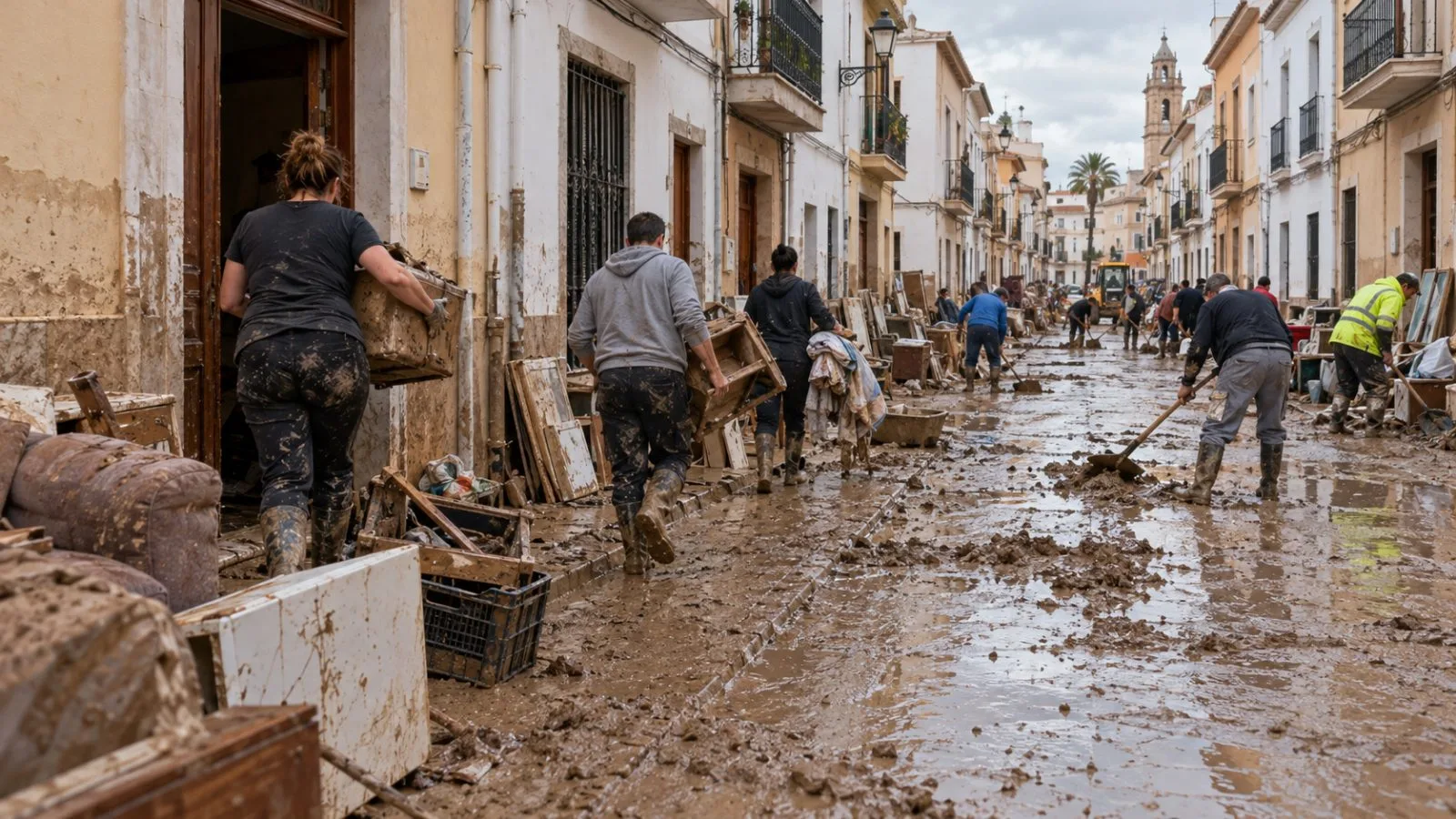
UNEP warned that higher temperatures and a longer period above 1.5°C would increase risks from floods, heatwaves and wildfires. “Overshoot is not surrender,” U.N. Secretary-General António Guterres said in UNEP’s announcement.
Governments are scheduled to meet for COP31 in Antalya, Türkiye, from Nov. 9-20.