The United States’ exit from the Paris Agreement added about 1.5 gigatonnes to the United Nations Environment Programme’s (UNEP) 2035 emissions projection under countries’ pledges, widening the gap with global climate goals.
In its 2026 Emissions Gap Report, UNEP said revisions to historical emissions estimates added roughly another 1.5 gigatonnes. Together, those changes account for most of the roughly 3-gigatonne rise in its pledge-based 2035 projection compared with the 2025 report. The U.S. withdrawal took effect Jan. 27, 2026, the U.N. treaty record shows.
If countries fulfill their climate pledges and sustain similar efforts afterward, UNEP estimates a 66% chance that warming will stay at or below 2.6 degrees Celsius above preindustrial levels by 2100. Under current policies, it gives the same chance of staying at or below 2.8 degrees. The pledge-based outlook has worsened since last year; the current-policy estimate has not changed.
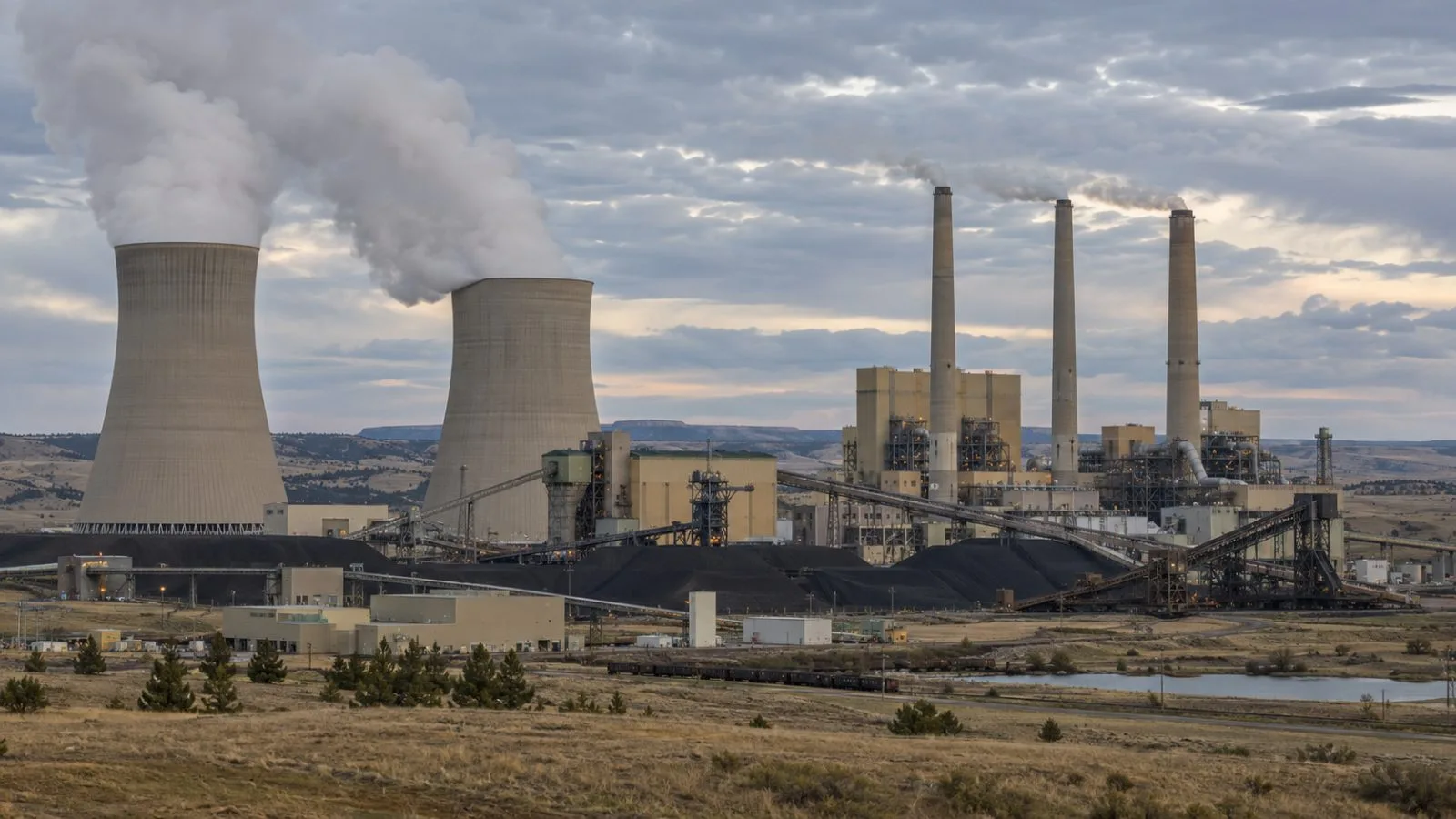
UNEP separately estimated that U.S. greenhouse gas emissions rose by 133 megatonnes of carbon dioxide equivalent in 2025, excluding land use. That was the largest increase it recorded for any country. The agency linked the rise to greater electricity demand and a rebound in coal-fired power generation.
Globally, carbon dioxide emissions from fossil fuels increased in 2025. Uncertainty in preliminary data, however, prevents UNEP from determining whether total greenhouse gas emissions rose or fell.
The agency says exceeding 1.5 degrees Celsius of long-term warming is now unavoidable. That measure concerns temperatures over multiple decades, and UNEP says each additional fraction of a degree and year above the threshold increases risks to people and ecosystems.
UNEP’s pathway back to 1.5 degrees Celsius by 2100 requires global emissions to fall 18% by 2030, 45% by 2035 and 69% by 2040, all measured against 2025 levels. Fully delivered pledges would produce cuts of 5% to 8% by 2030 and 11% to 15% by 2035. The pathway also calls for the removal and permanent storage of roughly 320 gigatonnes of carbon dioxide this century, a scale UNEP says is uncertain.
The report found that renewable electricity capacity had grown faster by 2025 than policy projections made in 2015 anticipated. It also found that assessed electricity-sector policies reduced emissions by an average of 9% over their evaluation periods compared with a baseline without those policies.
Governments are scheduled to meet at COP31, the next U.N. climate conference, from Nov. 9 to 20 in Antalya, Türkiye.