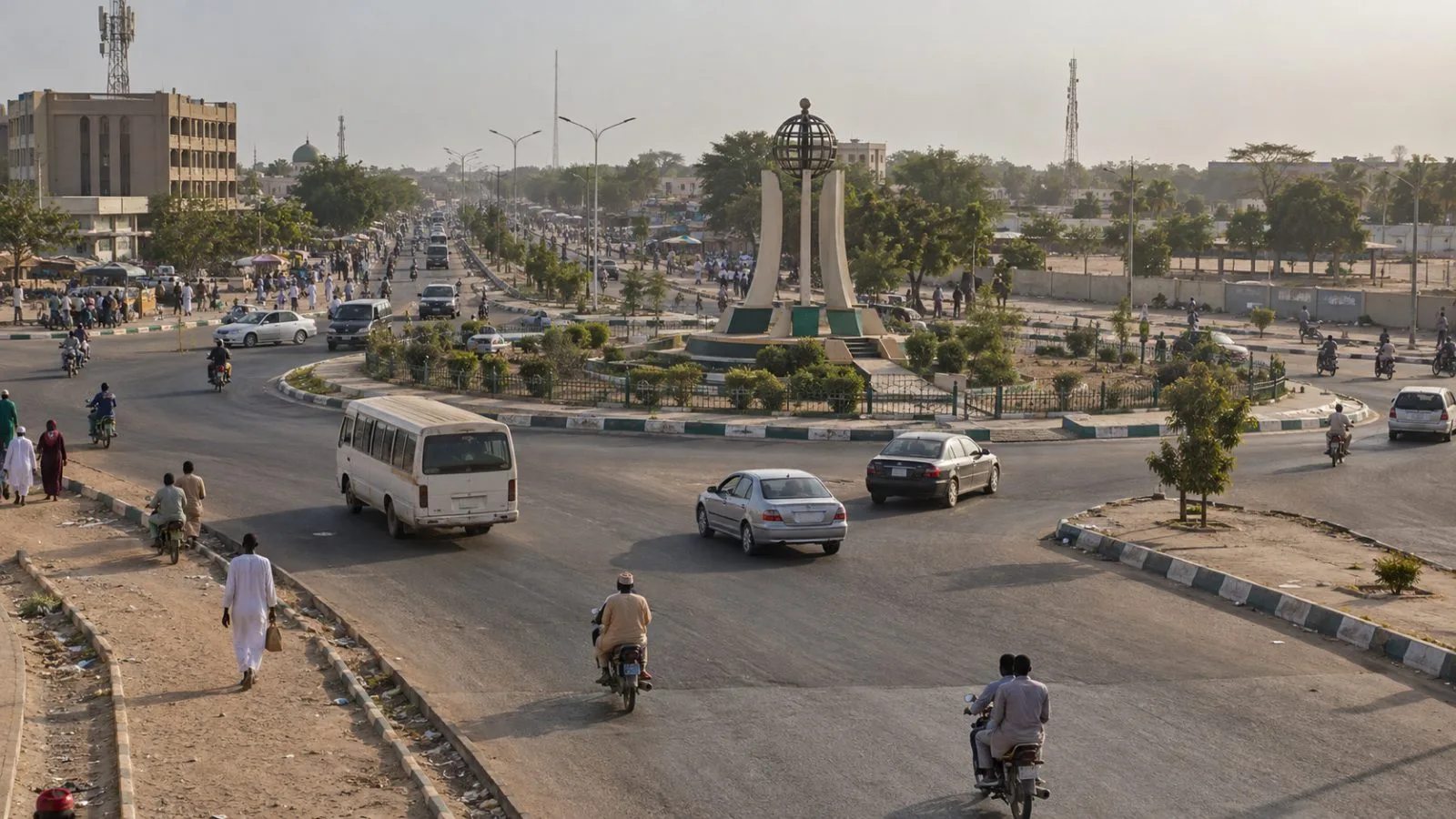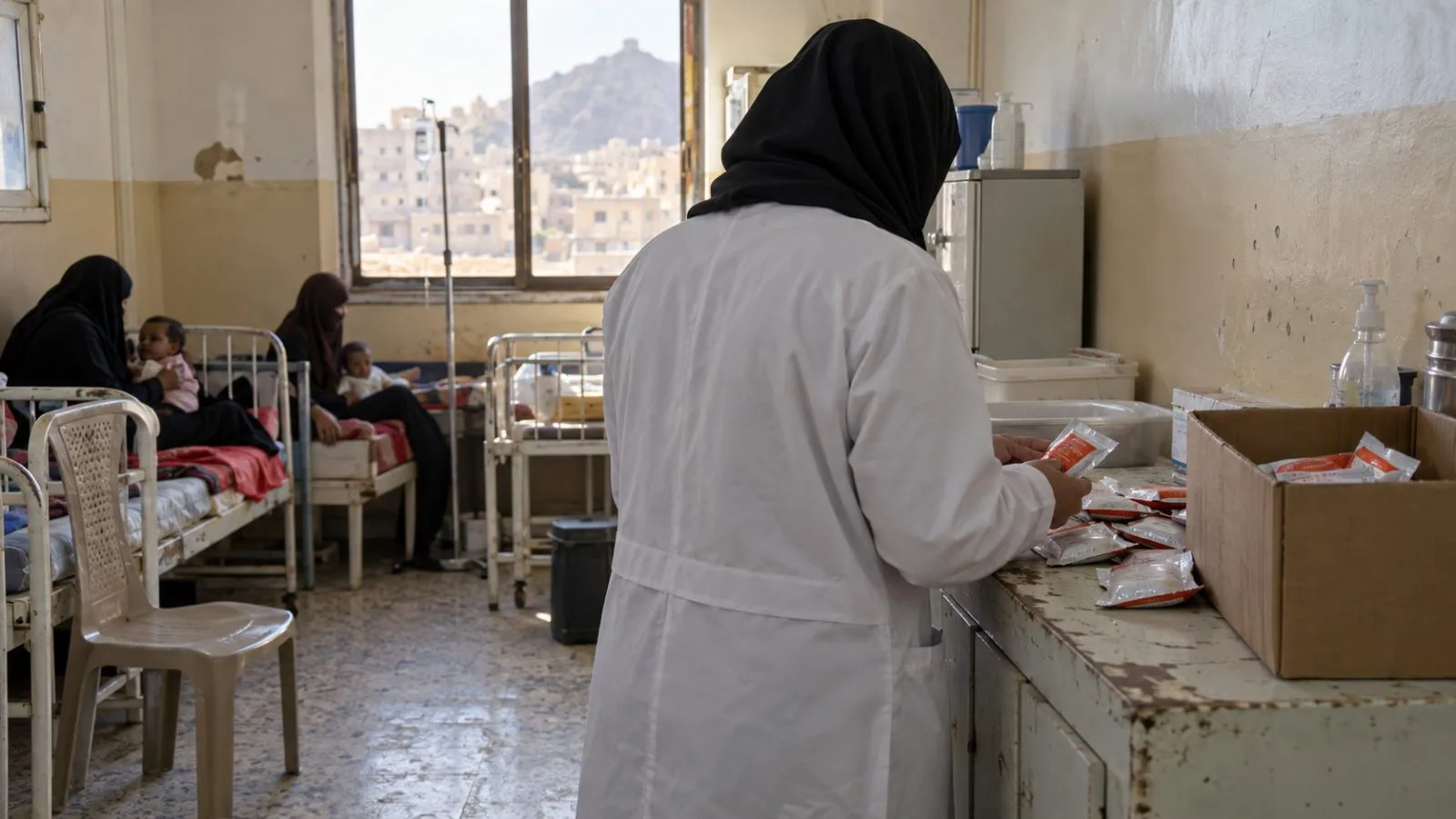
Fighting around Yemen’s Taiz is blocking therapeutic food deliveries to health facilities, the United Nations Children’s Fund (UNICEF) said Oct. 20, putting care for malnourished children under further strain.
UNICEF Country Representative in Yemen Akhil Iyer said supplies had been positioned before the latest escalation, but routes obstructed by fighting were keeping them from health facilities. Across Taiz governorate, UNICEF found more than 52,000 acutely malnourished children among more than 168,000 it screened this year.
Hospitals in Taiz city face shortages of their own. World Health Organization (WHO) spokesperson Tarik Jasarevic said 12 hospitals had about four days of fuel remaining. Stocks of 115 of 127 essential medicines would last about a week or less, he said, while the city also faced a daily oxygen shortfall.
United Nations humanitarian coordinator for Yemen Laurent Bukera called on Houthi authorities to allow aid and commercial supplies into Taiz. He said road closures and insecurity were disrupting deliveries. Food and fuel still available in the city cost more than twice as much as before, while water production had fallen by half. Diesel shortages also threatened the pumps that supply water.
United Nations High Commissioner for Human Rights Volker Türk said Houthi forces had closed the only supply route between Taiz and Aden. His office verified 32 civilian deaths across Taiz governorate from Aug. 1 to Oct. 19. Türk called for relief deliveries to enter and for civilians to be allowed to leave safely. WHO also urged safe passage for patients, health workers, ambulances and medical supplies.