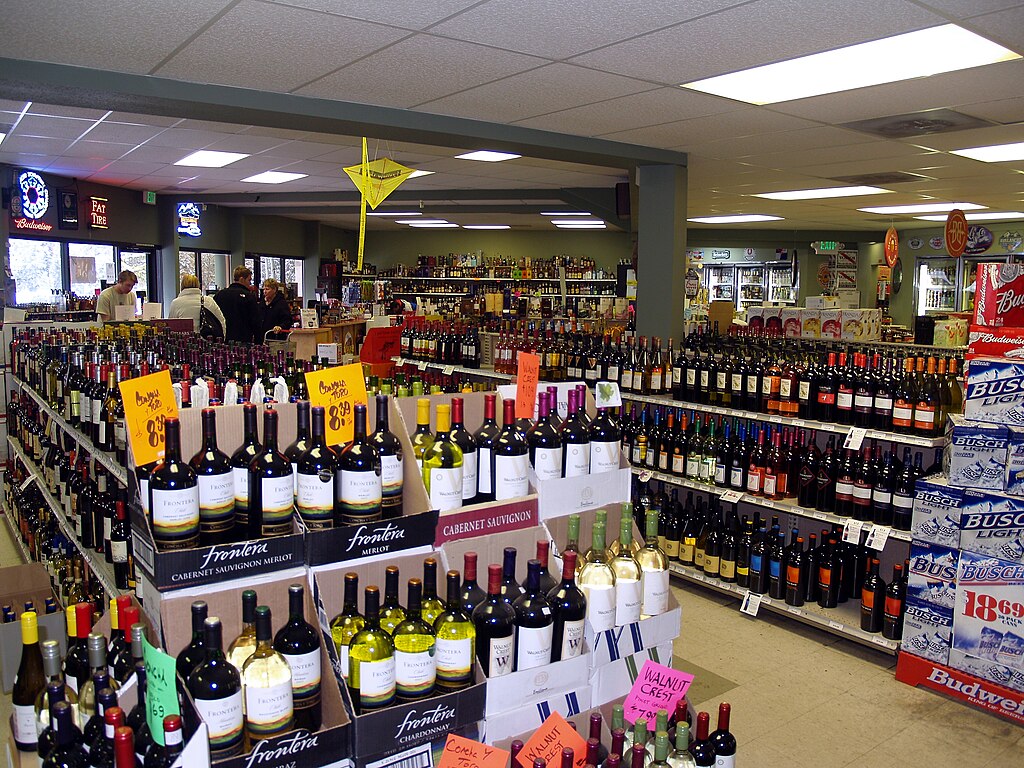
A new US ban on many Canadian alcohol imports is putting fresh pressure on Canada’s brewers, distillers and winemakers, but provincial trade barriers are making it difficult for producers to replace lost American sales at home.
The restrictions, which took effect Tuesday, cover bottled whisky and most other packaged alcoholic beverages, along with certain Canadian motorcycles and dairy products. The measures followed the breakdown of trade talks involving US President Donald Trump and Canadian Prime Minister Mark Carney.
For John Cote, owner of Saskatchewan-based Black Fox distillery, growing domestic sales amid rising “buy Canadian” sentiment seemed like a natural response. However, differing provincial alcohol regulations, government-controlled retail systems and administrative costs make expanding across Canada challenging.
Cote said selling whisky at a recent Ontario event resulted in losses on every bottle because of regulatory expenses and a three-week approval process.
Ontario has also shifted its promotional focus toward locally produced alcohol. Government-owned liquor stores launched a “We’re All In on Ontario” campaign encouraging customers to “Buy Ontario,” replacing some earlier messaging promoting Canadian products more broadly.
Canada has taken steps to reduce internal trade barriers. Nine of the country’s 10 provinces agreed in July to allow alcohol producers to sell directly to consumers across provincial borders. However, the agreement does not guarantee access to retail shelves, an important sales channel for smaller producers.
The US market remains particularly important for Canadian spirits. According to Spirits Canada, roughly half of domestically produced spirits are exported, with 93% of those exports going to the United States.
Large whisky brands such as Crown Royal, Canadian Club and J.P. Wiser’s may potentially avoid some restrictions by moving bottling operations to the US. Smaller distillers, which typically bottle locally, have fewer options.
Nova Scotia’s Glenora distillery, which normally generates about one-third of its sales from US markets including New York, California and Illinois, has already halted a planned shipment.
Industry representatives are now calling for broader provincial reforms that would create a more unified Canadian alcohol market and give domestic producers easier access to consumers nationwide.