A U.S. federal appeals court has upheld the Department of War’s decision to exclude Anthropic from its supply chain, handing the Trump administration a significant victory in a closely watched dispute over military use of artificial intelligence.
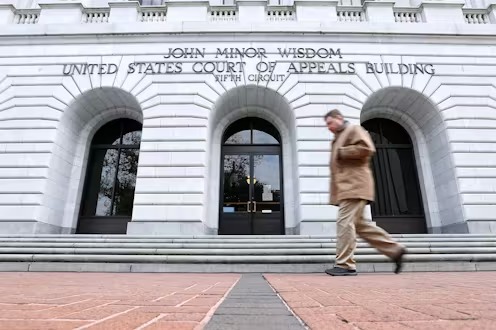
The U.S. Court of Appeals for the District of Columbia Circuit ruled 2–1 that the government had sufficient grounds to classify Anthropic’s Claude AI models as a national security supply chain risk. Circuit Judge Gregory Katsas wrote the majority opinion, while Judge Karen LeCraft Henderson dissented.
The dispute centers on Anthropic’s refusal to remove contractual restrictions preventing Claude from being used for lethal autonomous warfare and mass domestic surveillance. The company maintained those safeguards even as it loosened other policies to support military and national security applications.
Defense officials argued that vendor-controlled restrictions could create operational risks if Claude refused to perform requested tasks during sensitive missions. The appeals court agreed that such limitations could fall within federal supply chain security law, noting that Anthropic’s restrictions had previously prevented Claude from completing tasks requested by government users.
Anthropic argued that the relevant supply chain statute was intended to address sabotage and other malicious activity rather than transparent contractual restrictions imposed by a U.S. technology company. The majority rejected that interpretation and also dismissed Anthropic’s constitutional challenges, finding that the company received adequate notice and an opportunity to contest its exclusion.
Henderson disagreed with the majority’s interpretation, arguing that the law was designed to address adversarial sabotage or subversion rather than disagreements over contractual terms.
The ruling does not fully resolve Anthropic’s legal battle with the government. A separate federal case in California previously found that aspects of the government’s actions exceeded statutory authority, creating a parallel legal dispute over the restrictions.
The case could have broader implications for AI companies seeking government contracts while maintaining their own safety restrictions, particularly as advanced AI models become increasingly integrated into U.S. military and national security operations.