The United States government has blocked Venezuela from paying for Nicolas Maduro’s legal representation as he faces serious drug trafficking charges in New York, according to his defense attorney. The move adds another layer of complexity to the high-profile case involving the former Venezuelan president and his wife, Cilia Flores.
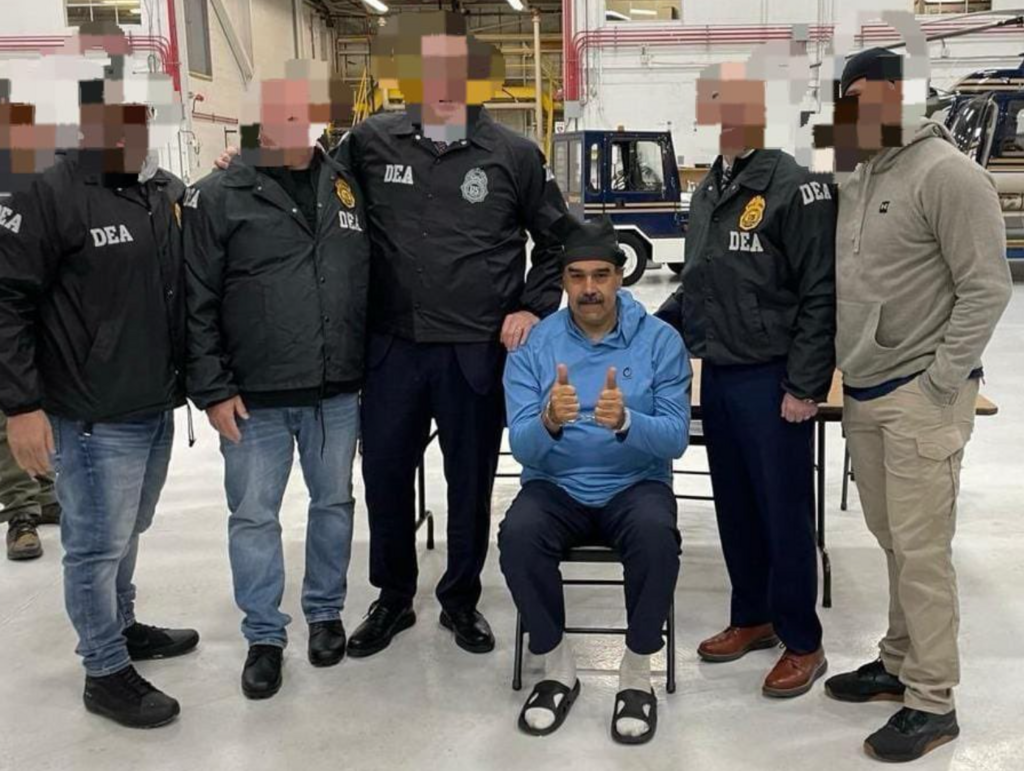
Maduro and Flores pleaded not guilty on January 5 to federal drug trafficking charges that could result in decades-long prison sentences if convicted. The couple is currently detained in New York awaiting trial. U.S. prosecutors allege that Maduro abused his presidential authority over a 13-year period to assist narcotics traffickers, claims that his legal team strongly disputes.
In a letter to U.S. District Judge Alvin Hellerstein, defense lawyer Barry Pollack revealed that the U.S. Treasury Department initially granted an exemption on January 9 to allow Venezuela’s government to pay Maduro’s legal fees despite existing U.S. sanctions. However, the authorization was reportedly revoked just hours later without explanation. Pollack argued that under Venezuelan law and longstanding custom, the government is responsible for covering the legal expenses of both the President and First Lady. He added that Maduro expects this support and lacks the financial resources to fund his own defense.
The Manhattan U.S. Attorney’s Office, which filed the charges, declined to comment. The Treasury Department has not issued a public response regarding the revoked sanctions exemption.
Maduro and Flores were captured by U.S. special forces during a nighttime operation in Caracas on January 3, following sustained pressure from the Trump administration. Since his arrest, former Vice President Delcy Rodriguez has been leading Venezuela. During his initial court appearance, Maduro maintained that he remains the country’s legitimate president.
Flores may still be eligible to receive government funds for her defense, though her attorney has not commented publicly. Pollack is widely recognized for previously representing WikiLeaks founder Julian Assange.