February and winter usually go hand in hand, which means that northern areas are supposed to be cold during this time. That’s how the world usually works. In Magnum, Oklahoma for example, temperatures should be in the low 56 degrees Fahrenheit at this time. This week, however, it reached 100F or 38 degrees Celsius. This is following a trend that seems to be hitting numerous parts of the world with temperature spikes.
So, just to get the obvious out of the way, temperature spikes are not at all uncommon. They happen all the time in tropical parts of the world, Futurism points out. However, Oklahoma is not a tropical region. It is in the upper parts of the Northern Hemisphere, which is supposed to be experiencing winter, at the moment.
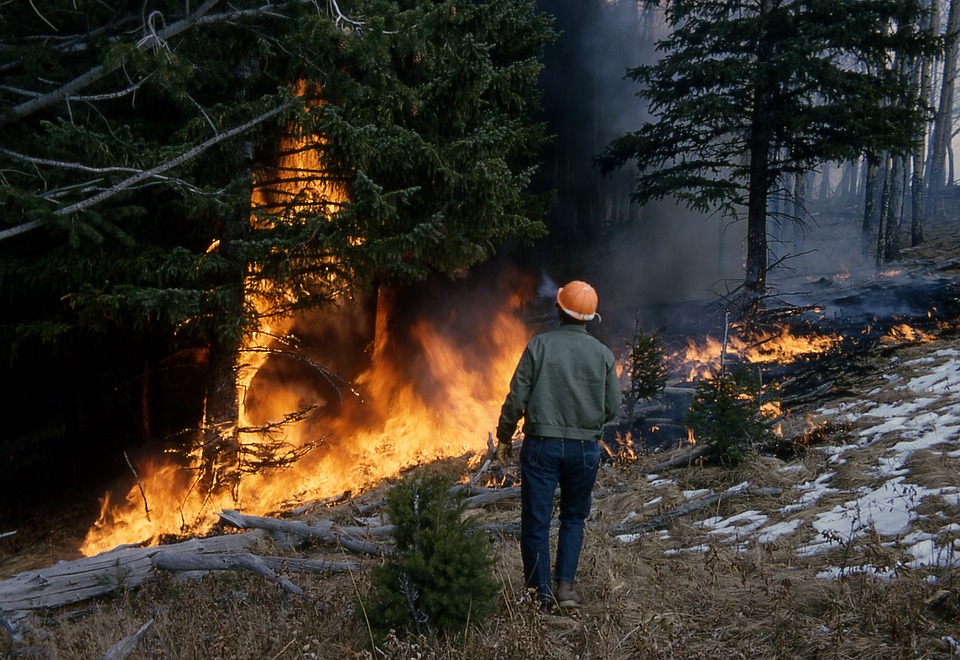
Just to emphasize the seriousness of this manner, the sudden jump in heat actually forced the government to issue a ban on burning anything because it added to the sweltering temperatures. Even then, a grass fire still broke out, which then caused residents to evacuate affected areas. At this point, the temperature in the area has returned to normal, which is as cool as transitional winter should be.
Normally, people in cold regions would welcome a little warmth during the period between December and March, but not if that rise in temperature comes at the price of wildfires. Climate change deniers can say that these types of occurrences are a fluke or a freak of nature, but scientists disagree, Science Alert reports.
Although climate experts can’t say for certain that incidents like those in Magnum, Oklahoma are directly caused by climate change, it’s also undeniable that the planet’s temperature is one the rise. As a result, sudden fluctuations in heat or cold are only going to become more common.