The United States is continuing discussions on allowing Ukraine to produce Patriot PAC-3 interceptor missiles despite recent comments from President Donald Trump casting doubt on the plan, according to sources familiar with the negotiations.
The proposed agreement could allow Ukraine to manufacture certain Patriot missile components domestically before sending them to Germany or another European location for final assembly. The initiative is aimed at strengthening Ukraine’s long-term air defense capabilities as Russia continues launching large numbers of ballistic missile attacks.
Ukraine has repeatedly requested more Patriot PAC-3 interceptors, one of the few systems capable of intercepting advanced ballistic missiles. President Volodymyr Zelenskiy recently said Ukraine has exhausted its Patriot missile supply, leaving the country increasingly vulnerable to Russian strikes. He also discussed securing additional air defense interceptors with NATO Secretary General Mark Rutte.
Although Trump previously indicated during a meeting with Zelenskiy in Turkey that Washington would approve a production license, he later expressed caution, saying the U.S. must carefully consider allowing another country to manufacture the advanced missiles. Despite those remarks, negotiations have not been suspended.
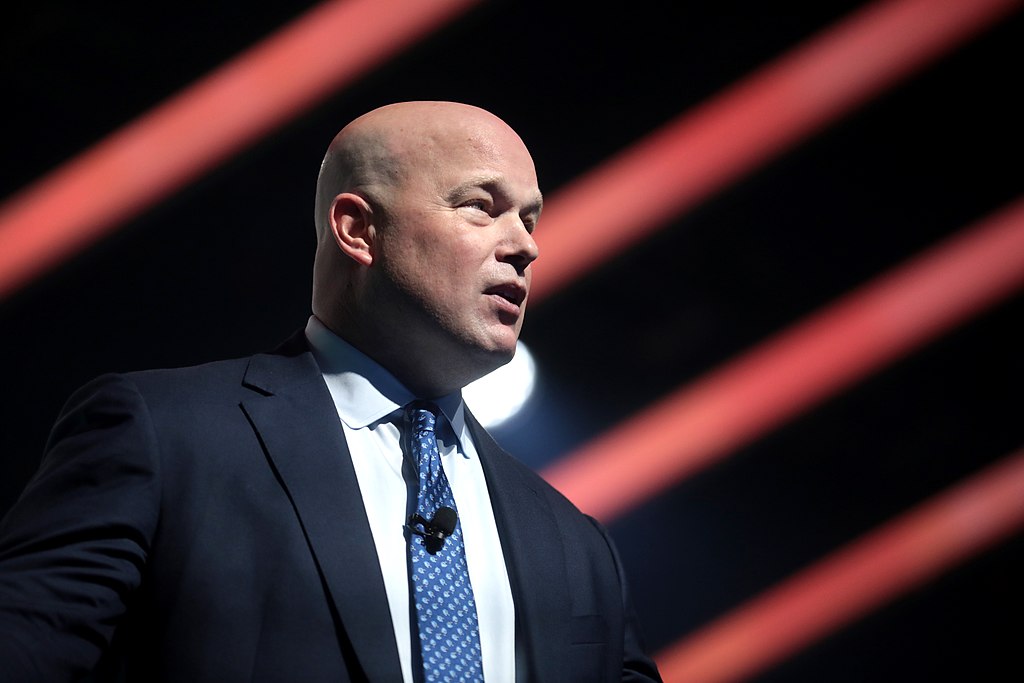
Sources said U.S. Ambassador to NATO Matthew Whitaker is leading the effort and recently visited Kyiv to discuss defense cooperation with Ukrainian officials and industry representatives. A senior Trump administration official confirmed that Washington is exploring several defense manufacturing partnerships with Ukraine while ensuring sensitive U.S. technology remains protected.
Among the options under review are producing Patriot components in Ukraine for assembly in Germany, joining an existing U.S.-European Patriot production program, or participating in Lockheed Martin’s lower-cost PAC-3 Adapted Capability Effector (ACE) missile project.
Even if an agreement is finalized, officials say new Patriot missile production would take at least a year before deliveries begin, while establishing new manufacturing lines could require several years. In the meantime, Ukraine continues urging allies to transfer available Patriot interceptors and is exploring purchase agreements and delivery swaps to address its immediate air defense needs.
Lockheed Martin reaffirmed its commitment to supporting the United States, Ukraine, and NATO allies, while emphasizing its readiness to assist with future defense cooperation.