


 US Dollar Near 18-Month High Ahead of Inflation Data
  Fed's Hammack Urges Faster Rate Hikes to Fight Inflation
  Asian Stocks Plunge as AI Chip Selloff Hits South Korea and Japan
  Oil Prices Rise as Houthi Attacks Threaten Middle East Supply
  Gold Prices Mixed Ahead of US Inflation Data and Fed Rate Outlook
  Trump Defends Russian Diesel Deal Amid US Sanctions Backlash
  RBA Signals More Rate Hikes as Inflation Risks Rise
  Wall Street Ends Mixed as Investors Await CPI and Bank Earnings
  Oil Prices Surge Above $106 After Deadly Saudi Airport Attack
  Fed’s Williams Sees One More Rate Hike in 2026, None in 2027
  European Stocks Rise as Oil Prices Fall Ahead of US CPI
  IMF, World Bank Meetings Face Global Economic Risks Amid Iran War
  Oil Prices Fall as Trump Ceasefire Claim Shifts Market Focus to U.S. CPI
  Philippines Current Account Deficit Seen at $19.1 Billion in 2026
  Gold Prices Rebound as Dollar Weakens Ahead of US Inflation Data
  US Stock Futures Rise as Oil Prices Fall Ahead of Q3 Earnings


 Add as a preferred source on Google
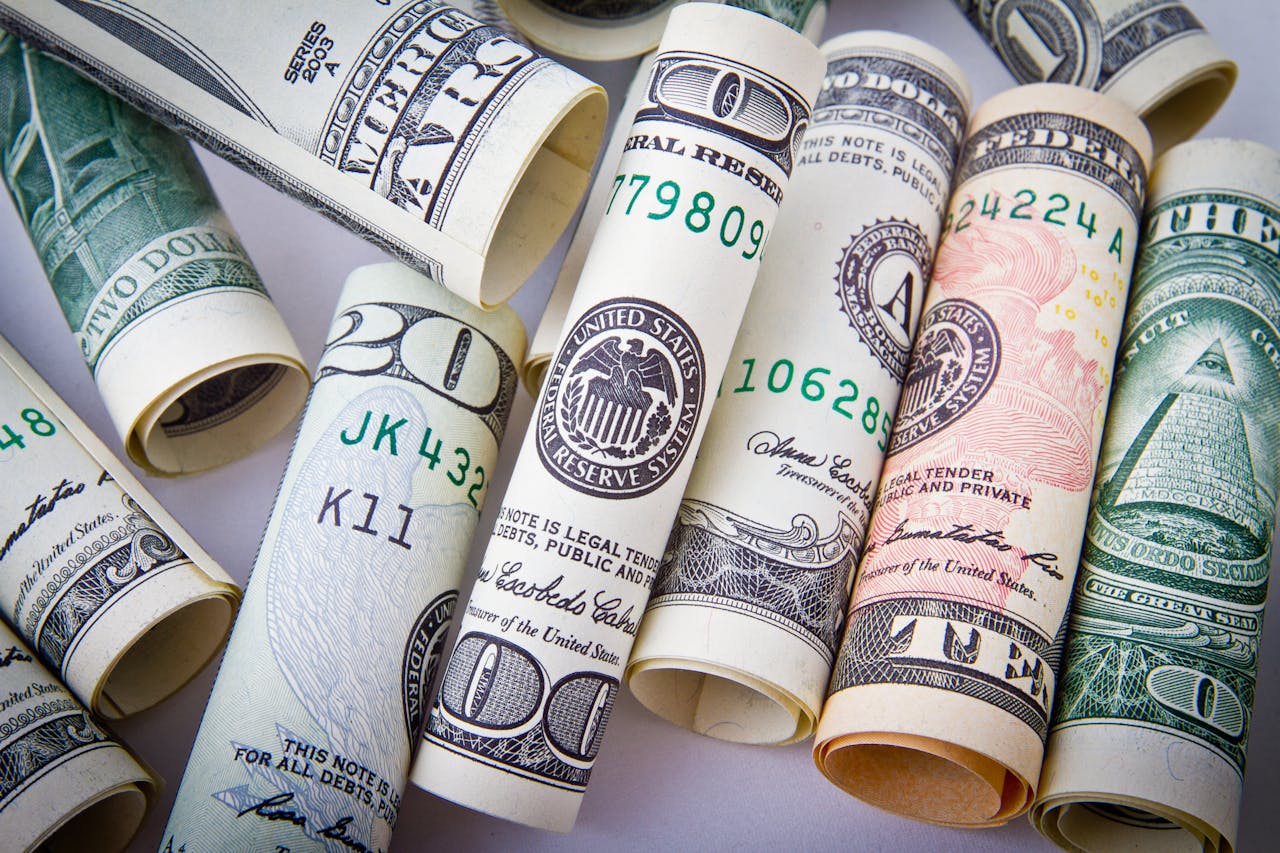
The U.S. dollar weakened on Tuesday as cautious comments from a Federal Reserve official and gains in the euro pressured the greenback. Meanwhile, the Indian rupee extended its sharp recovery, reaching its strongest level in more than a month following aggressive intervention by the Reserve Bank of India (RBI).
The U.S. Dollar Index (DXY), which measures the currency against six major counterparts, declined 0.4% to 102.20, although it remained close to an 18-month high.
Investors are closely monitoring upcoming U.S. inflation data, with the Consumer Price Index (CPI) scheduled for Wednesday and the Producer Price Index (PPI) due Thursday. Both reports could influence expectations for the Federal Reserve's next interest rate decision.
New York Fed President John Williams said Tuesday that another interest rate hike may be appropriate before the end of 2026. However, he expects inflation to slow significantly and sees little justification for additional increases in 2027.
Collin Martin, head of fixed income research and strategy at the Schwab Center for Financial Research, noted that markets currently assign only a 20% probability to an October rate hike. He suggested that stronger-than-expected inflation figures would be necessary to significantly change those expectations.
U.S. Treasury yields also declined as bond markets reopened following the Columbus Day holiday. The benchmark 10-year Treasury yield fell 3.9 basis points to 5.209%, adding pressure on the dollar.
In Asia, the Indian rupee strengthened to 95.305 per dollar after recording its largest daily gain in six months. The rally followed RBI measures designed to reduce dollar demand and discourage speculative currency trading.
The central bank introduced a dedicated foreign exchange facility allowing state-owned oil companies to obtain dollars directly from reserves. Additional restrictions on currency derivatives triggered the unwinding of speculative positions, supporting the rupee's recovery.
Meanwhile, the euro rose 0.3% to $1.1198 but remained near its weakest level since May 2025.
Concerns over France's projected 5.4% budget deficit and political uncertainty ahead of the 2027 presidential election continued to weigh on the European currency.
French 10-year government bond yields hovered near 4.88%, while elevated spreads against German bonds reflected persistent investor caution.
With the European Central Bank expected to maintain a cautious monetary policy approach, the euro faces continued challenges in sustaining a broader recovery against the U.S. dollar.







