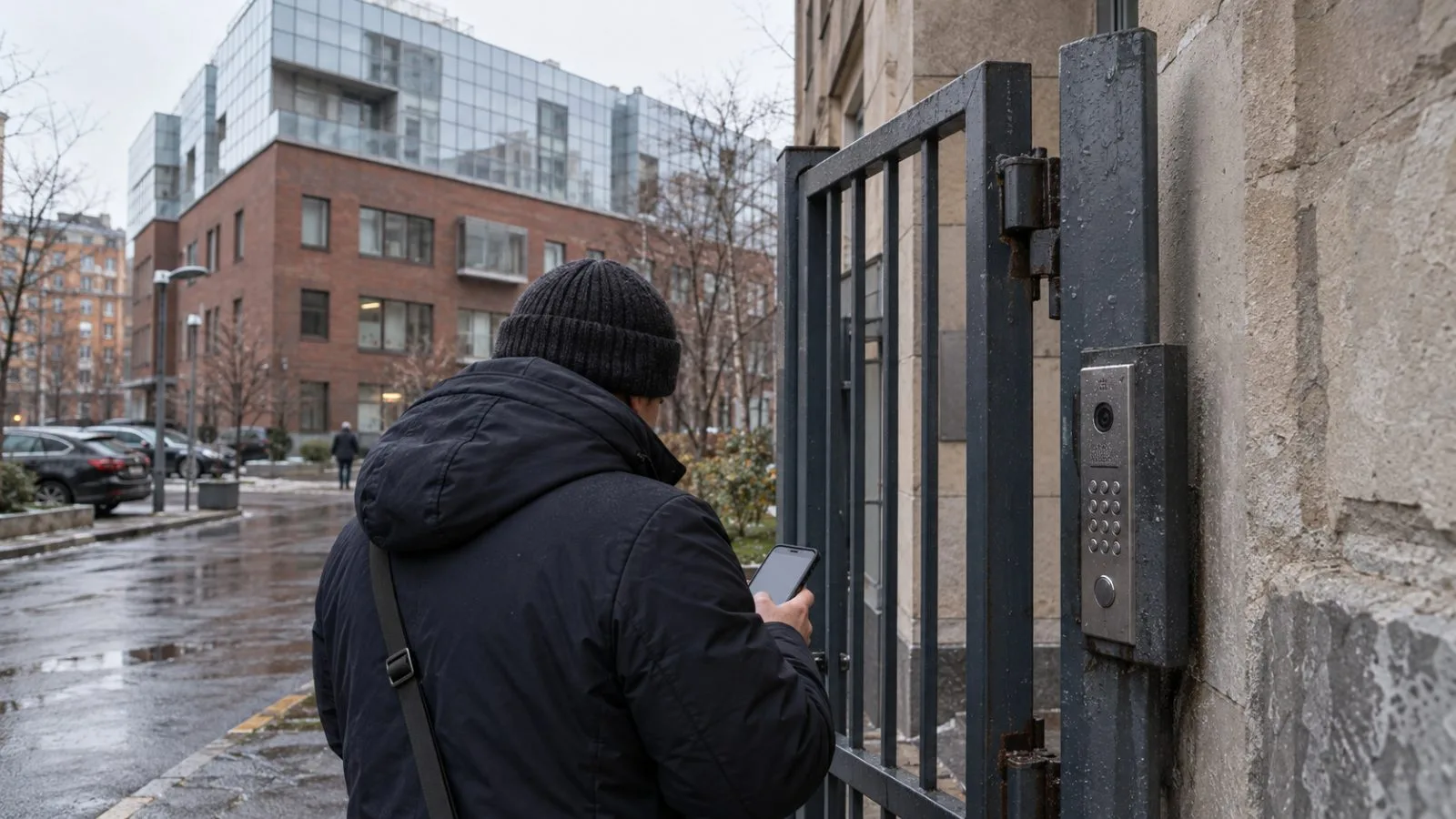
A U.S. government website used an artificial intelligence model developed by China’s Alibaba to help users search federal regulatory information, despite recent U.S. concerns about Chinese AI companies and their use of American technology.
The Federal Register website, operated by the National Archives, offered a search function powered by Alibaba’s Qwen AI model alongside other search options. The tool allowed users to browse public comments related to newly proposed federal regulations.
However, the Qwen-powered feature was removed on Wednesday around the time social media posts began drawing attention to its use. Screenshots and archived source code showed the AI search option had previously been available, although it remains unclear when it was introduced.
The development comes after the FBI last week accused Alibaba of copying technology from U.S. AI company Anthropic to develop its own artificial intelligence systems. U.S. officials alleged Chinese AI companies were engaged in “malicious” copying of American technology on an “industrial scale.” Alibaba’s Qwen is an open-weight AI model, allowing developers to download, modify and operate key components on their own infrastructure.
The FBI declined to comment further, while the National Archives and White House did not respond to requests for comment.
AI and cybersecurity specialists said using Qwen on the Federal Register did not necessarily create an immediate national security threat because the website primarily handles publicly available information. Open-weight models can also be operated locally, potentially preventing data from being transferred to an external provider.
Georgetown Law Professor Anupam Chander said the cybersecurity risk appeared limited, although the model’s training and deployment method remained relevant.
Senator Mark Warner, the top Democrat on the Senate Intelligence Committee, said the key question was whether U.S. government data remained within federal security boundaries or was processed on systems controlled by Alibaba.
The incident highlights broader tensions surrounding Chinese AI models as Washington weighs AI security safeguards against concerns that excessive regulation could weaken U.S. competitiveness in the rapidly expanding artificial intelligence industry.