


 US Treasury Drops Crypto Wallet Tracking Plan
  Kalshi Wins CFTC Approval for S&P 500 Perpetual Futures
  San Francisco Halts New Data Center Construction With 45-Day Moratorium
  Rapidus Seeks Chip Customers as Japan Pushes 2nm Semiconductor Revival
  Kazakhstan and Tether Explore Tenge Stablecoin and RWA Tokenization
  US Conducts Non-Nuclear Explosion Test to Boost Nuclear Detection
  Trump Weighs FBI Probe Into Nolan Wells’ Death
  Zcash Privacy Demand Rises as AI Exposes Bitcoin Transactions
  Robinhood Buys $25 Million in Bitcoin for Corporate Treasury
  Levi Strauss Beats Q3 Profit Estimates, Raises 2026 Outlook
  GSR Commits $100M to Hare Onchain Credit Vaults
  New York Declares Measles Disaster Emergency as Cases Surge
  Trump Opens Tax-Exempt Dyed Diesel Access as Fuel Prices Surge
  SEC Investor Reform Validates Barry Silbert’s Tokenization Vision
  Rising Rates Top Global Growth Risks as Wealthy Investors Favor Asia
  SpaceX Seeks $40 Billion for Nvidia AI Chips
  HSBC Plans Deep UK Wealth Job Cuts in AI Push


 Add as a preferred source on Google
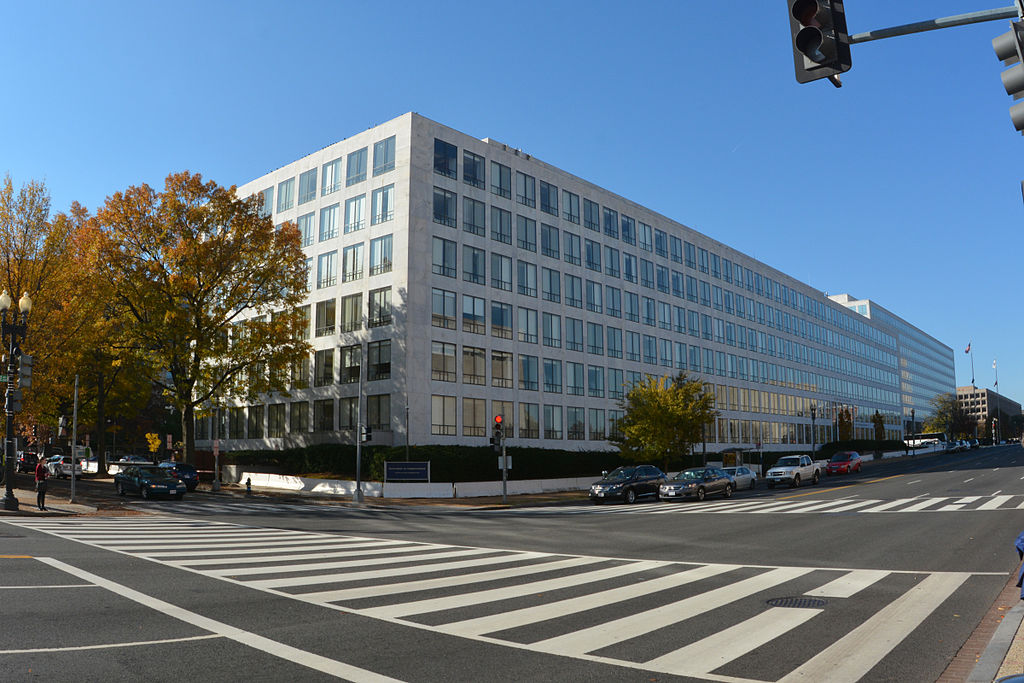
The U.S. Transportation Department has approved a five-year exemption allowing Aurora and other autonomous trucking companies to use vehicle-mounted warning beacons instead of requiring human drivers to place reflective warning devices around stopped trucks.
The decision, announced late Wednesday, marks an important regulatory step toward the broader commercial deployment of self-driving trucks across the United States. Autonomous trucking companies have argued that existing safety regulations were designed for vehicles operated by human drivers and can create obstacles for fully driverless operations.
In 2023, Alphabet’s self-driving technology unit Waymo and autonomous trucking company Aurora jointly requested an exemption from federal regulations requiring drivers to place reflective triangles around stopped commercial trucks. The warning devices are intended to alert approaching motorists and reduce the risk of collisions when a truck is stopped on or near a roadway.
Under the exemption approved by the U.S. Department of Transportation, eligible autonomous trucking operators will be permitted to use warning beacons mounted on truck cabs. The alternative system eliminates the need for a human driver to exit the vehicle and manually position reflective triangles.
The five-year waiver could help remove a significant operational hurdle for companies developing fully autonomous commercial trucks. Without such an exemption, driverless trucks could face difficulties complying with federal roadside safety requirements because no human operator would be available to deploy the warning equipment.
Aurora has been among the companies working to expand autonomous trucking technology in the U.S., where developers are seeking to demonstrate that self-driving systems can safely handle long-haul freight operations while complying with federal transportation standards.
The Transportation Department’s decision provides autonomous trucking companies with greater regulatory flexibility while maintaining a roadside warning mechanism through cab-mounted beacons. The move could support further testing and commercial expansion of driverless trucks as regulators and technology companies continue adapting existing transportation rules to autonomous vehicle technology.







