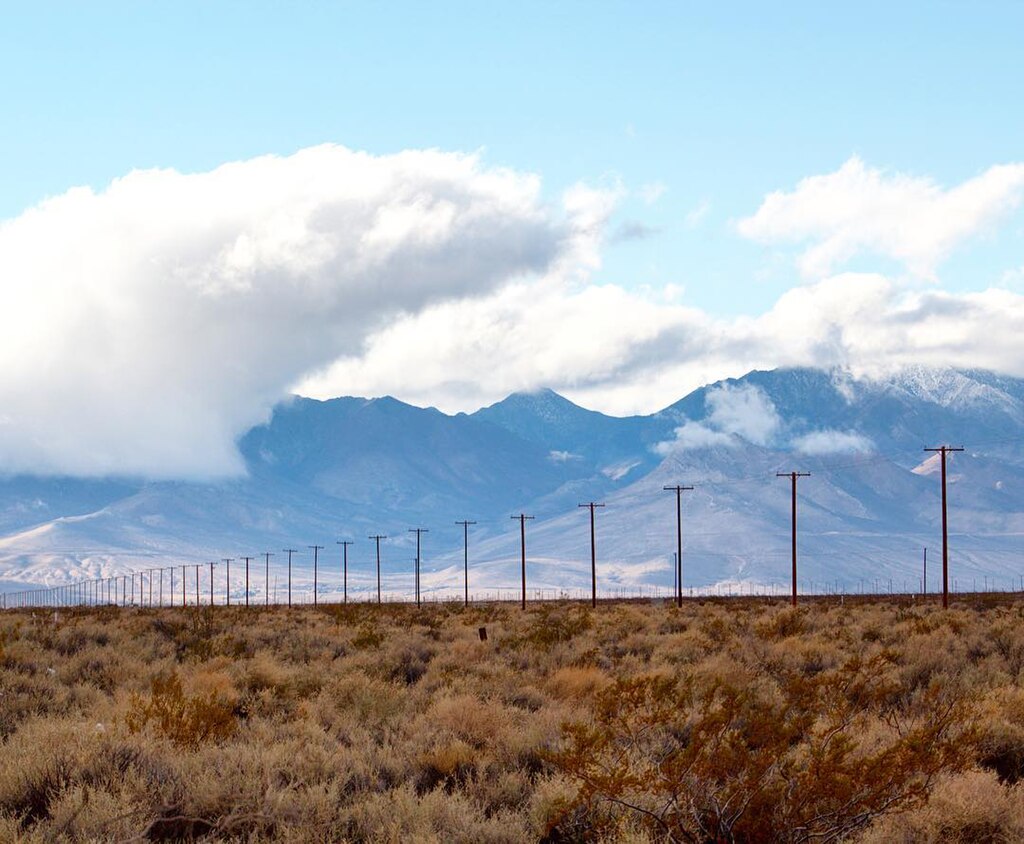
U.S. grid operators are requesting more time to comply with a federal mandate to upgrade transmission lines, delaying efforts to strengthen the nation’s aging power infrastructure. The Federal Energy Regulatory Commission (FERC) had ordered six major regional grid operators—excluding Texas—to enhance transmission line capacity by factoring in real-time weather conditions by July 2025. However, all six have indicated they won’t meet the deadline, citing software shortages and technical challenges.
The Midcontinent Independent System Operator (MISO), which serves 15 states, plans to request an extension in March but hasn’t determined how long it will need. California’s CAISO, facing legal challenges related to wildfires, may require until late 2027. The Southwest Power Pool, covering areas from North Dakota to Louisiana, seeks a deadline extension until December 2026. New England’s ISO is also expected to file for an extension, while New York’s grid operator already secured a delay that could push compliance into 2028.
These delays highlight decades of underinvestment in the U.S. electric grid. Transmission congestion cost consumers $11.5 billion in 2023 and continues to obstruct new power generation projects. Some utilities implementing FERC’s mandate have reported benefits. During 2022’s Winter Storm Elliott, PPL Corp’s advanced sensors boosted capacity, preventing widespread outages in PJM’s territory.
President Donald Trump recently declared a National Energy Emergency, citing the grid’s increasing unreliability amid rising electricity demand from data centers. FERC is reviewing his executive orders and whether they will impact deadline extensions. The White House has yet to comment.
Industry experts emphasize the need for utilities to prioritize grid upgrades to expedite compliance and prevent future blackouts. Without swift action, power infrastructure challenges could worsen, affecting millions of consumers and businesses.