Oil prices climbed sharply in early Asian trading on Tuesday, with Brent crude holding firmly above $100 per barrel as ongoing supply concerns tied to the U.S.-Israel conflict with Iran continued to rattle global energy markets. Brent futures gained 2.1% to reach $102.28 per barrel, while West Texas Intermediate advanced 2.2% to $94.50 per barrel, partially reversing the steep 5% selloff recorded in the previous session.
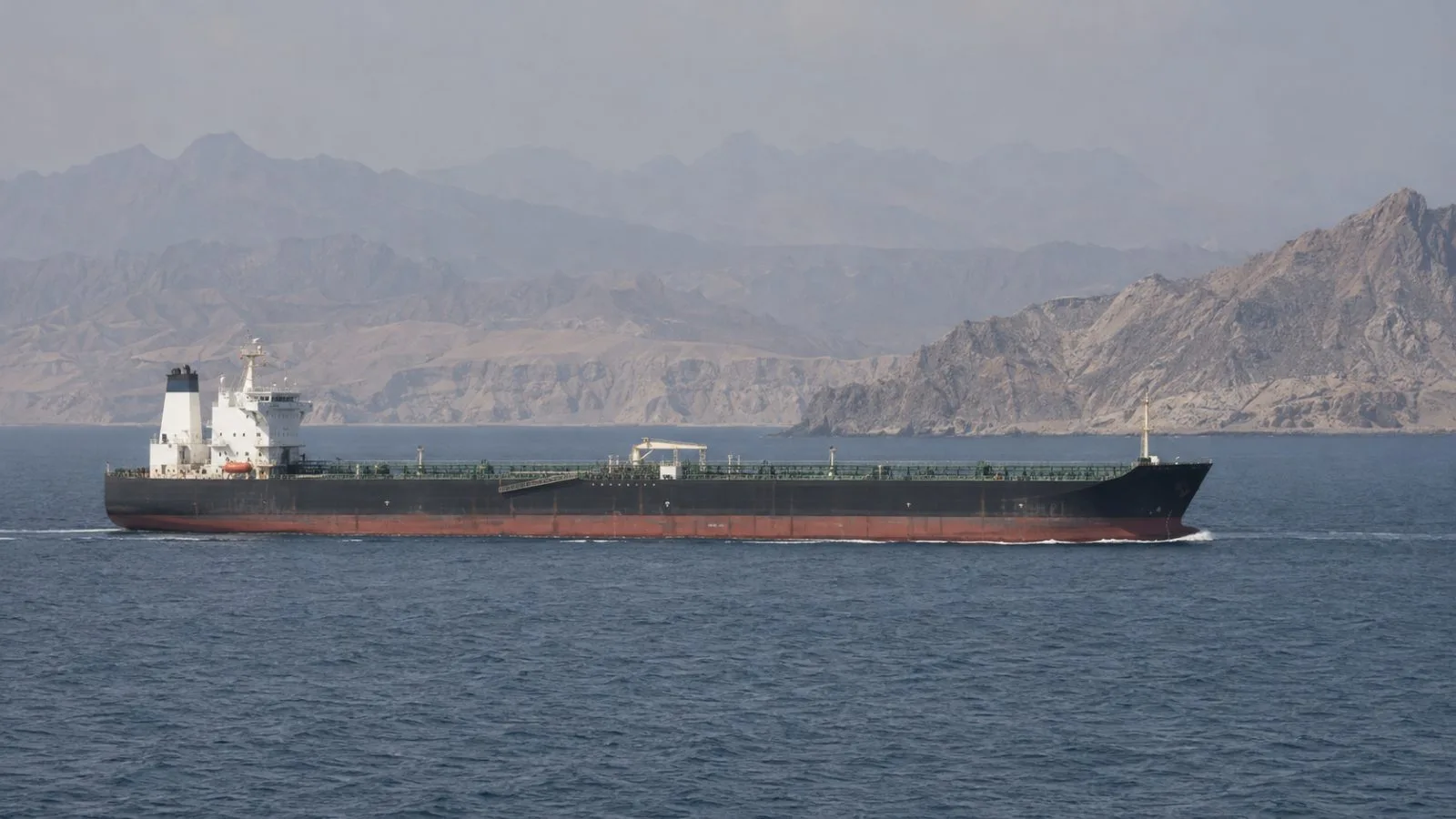
The modest recovery came after reports emerged that several India and Pakistan-flagged gas tankers had successfully navigated the Strait of Hormuz, offering some relief to jittery investors. However, the critical waterway remained largely disrupted, sustaining fears over prolonged supply shortfalls. Iran has signaled it will selectively permit passage for vessels from certain nations while targeting ships linked to the United States and its allies.
Now entering its third consecutive week, the conflict shows little sign of de-escalation. Tehran threatened to strike U.S.-affiliated industries across the Middle East following last week's joint U.S.-Israeli attack on Kharg Island, Iran's primary oil export terminal. The strike intensified an already volatile geopolitical standoff with far-reaching consequences for global crude supply.
President Donald Trump over the weekend urged at least seven nations, including China, to assist in reopening the strait to international shipping. Those appeals were largely dismissed, with multiple U.S. allies indicating no immediate plans to deploy naval assets to the region.
The Strait of Hormuz handles roughly 20% of the world's oil supply, making its disruption a significant driver of energy-led inflation. Broader market anxiety is compounding as the Federal Reserve, European Central Bank, and Bank of Japan are all scheduled to convene this week, with policymakers expected to weigh increasingly hawkish responses to rising energy costs.