


 Saudi Arabia Probes Flydubai Cockpit Attack
  Deere, CNH and AGCO Stocks Fall as FTC Launches Farm Equipment Probe
  Mexico Bars Dual Citizens From Presidential Races Starting in 2028
  Asian Stocks Rise as Nasdaq Record Offsets Bond Yield Pressure
  Maduro, Wife May Face New US Torture Charges
  San Francisco Halts New Data Center Construction With 45-Day Moratorium
  Gold Prices Fall as Fed Signals Another Rate Hike
  US Dollar Hits 18-Month High as Fed Signals More Rate Hikes
  Oil Prices Rise as Hormuz Risks Offset IEA Stock Release
  Trump Backs Florida Golf Course as Presidential Retreat
  JD Vance Says Iran Must Cut Nuclear Enrichment to End War
  RBI Raises Repo Rate to 5.50% in Hawkish Shift on Inflation Risks
  Trump Gaza Peace Plan Stalls as Israel Retains Control
  France to Release 10 Million Barrels of Diesel to Ease Fuel Prices
  Vance Demands Iran Cut Nuclear Enrichment to End War
  Trump Orders Firing Squad Execution for Fort Hood Gunman
  UK House Prices Flat in September as Mortgage Rates Weigh


 Add as a preferred source on Google
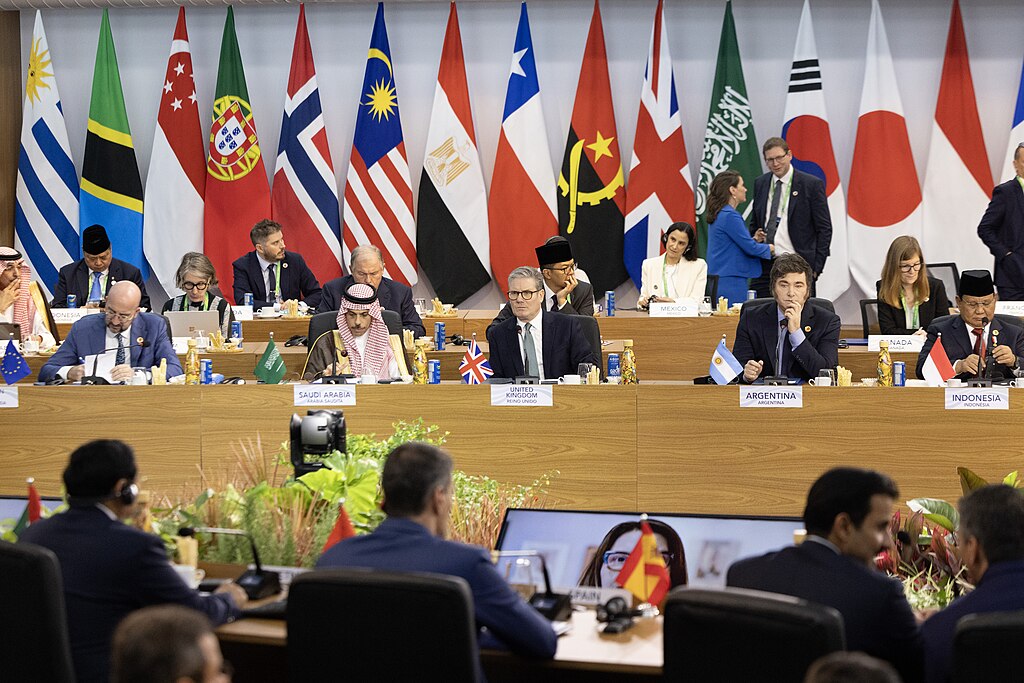
Trade ministers from 12 G20 nations, the European Union and Poland have backed a US-led initiative aimed at tackling structural excess factory capacity and trade-distorting policies that contribute to global overproduction.
The joint statement, signed Wednesday by a group of market-oriented economies, calls on countries to eliminate policies and practices that artificially boost industrial production and distort international markets. The agreement was reached by senior officials on the sidelines of an OECD Trade Committee meeting.
The move follows a US-led gathering of G20 trade ministers in Milwaukee last week, where participants failed to reach a broader consensus on excess industrial capacity.
According to the statement, governments should take steps to reduce structural excess capacity and production within their economies. This includes ending non-market policies and practices that encourage companies to produce more goods than market conditions would otherwise support.
Officials warned that failure to address global industrial overcapacity could prompt more countries to introduce measures designed to protect domestic industries, workers and economies from unfair competition and market distortions.
Argentina, Australia, Canada, the European Union, France, Germany, India, Italy, Japan, South Korea, Mexico, Poland, Turkey, Britain and the United States signed the statement.
Several major G20 economies did not join the initiative, including China, Brazil, Indonesia, Russia, Saudi Arabia and South Africa. The absence of those countries highlights continuing divisions among major economies over how to address industrial subsidies, excess production and other non-market economic practices.
The statement argued that structural excess capacity can fuel overproduction, discourage market-based investment and weaken competitive exports. It can also distort global prices and production patterns while reducing fair competition.
The US-led effort adds to growing international pressure to address industrial policies viewed as contributing to global supply imbalances. However, the lack of agreement among all G20 members suggests that reaching a unified approach to factory overcapacity and non-market trade practices remains challenging.







