The United States imposed new sanctions on 13 individuals and entities on Tuesday, targeting an international network accused of helping Iran acquire weapons, military equipment and critical components.
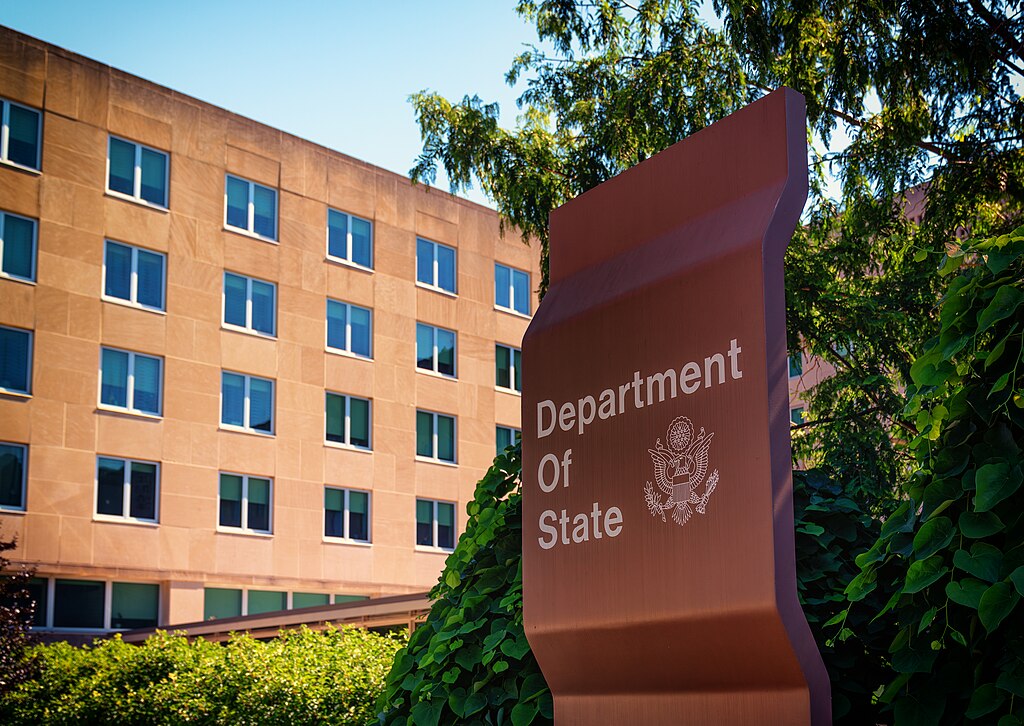
The measures, announced by the U.S. Treasury and State departments, target individuals and companies linked to Russia, China, Hong Kong, Pakistan and Iran. The sanctions are part of the Trump administration’s campaign to increase economic pressure on Tehran and push Iran toward negotiations to end the war that began with U.S.-Israeli strikes on February 28.
Treasury Secretary Scott Bessent said Washington would continue identifying and isolating parties that provide support to the Iranian government. The Treasury said the latest Iran sanctions are intended to weaken Tehran’s ability to rebuild its weapons programs while raising the financial costs for companies and individuals involved in procurement.
Among those sanctioned is Seyyed Asghar Alizadeh Tabatabai, a Beijing-based representative of Iran’s Ministry of Defense and Armed Forces Logistics. U.S. officials accused him of coordinating purchases of weapons systems and dual-use components in China.
Iran-based Kavoshcom Asia R and D Group was also designated for allegedly obtaining electronics, including connectors, for Iran Aircraft Manufacturing Industrial Company. Hong Kong-based EC Mojo Technology Co Limited and its China-based representative Li Fen were sanctioned over alleged support for Kavoshcom’s procurement activities.
Other targets include Waseem Pasha Tajammal, chairman of Pakistan-based defense company Cavalier Group, and Russian aircraft manufacturer Joint Stock Company Experimental Design Bureau Named After A.S. Yakovlev.
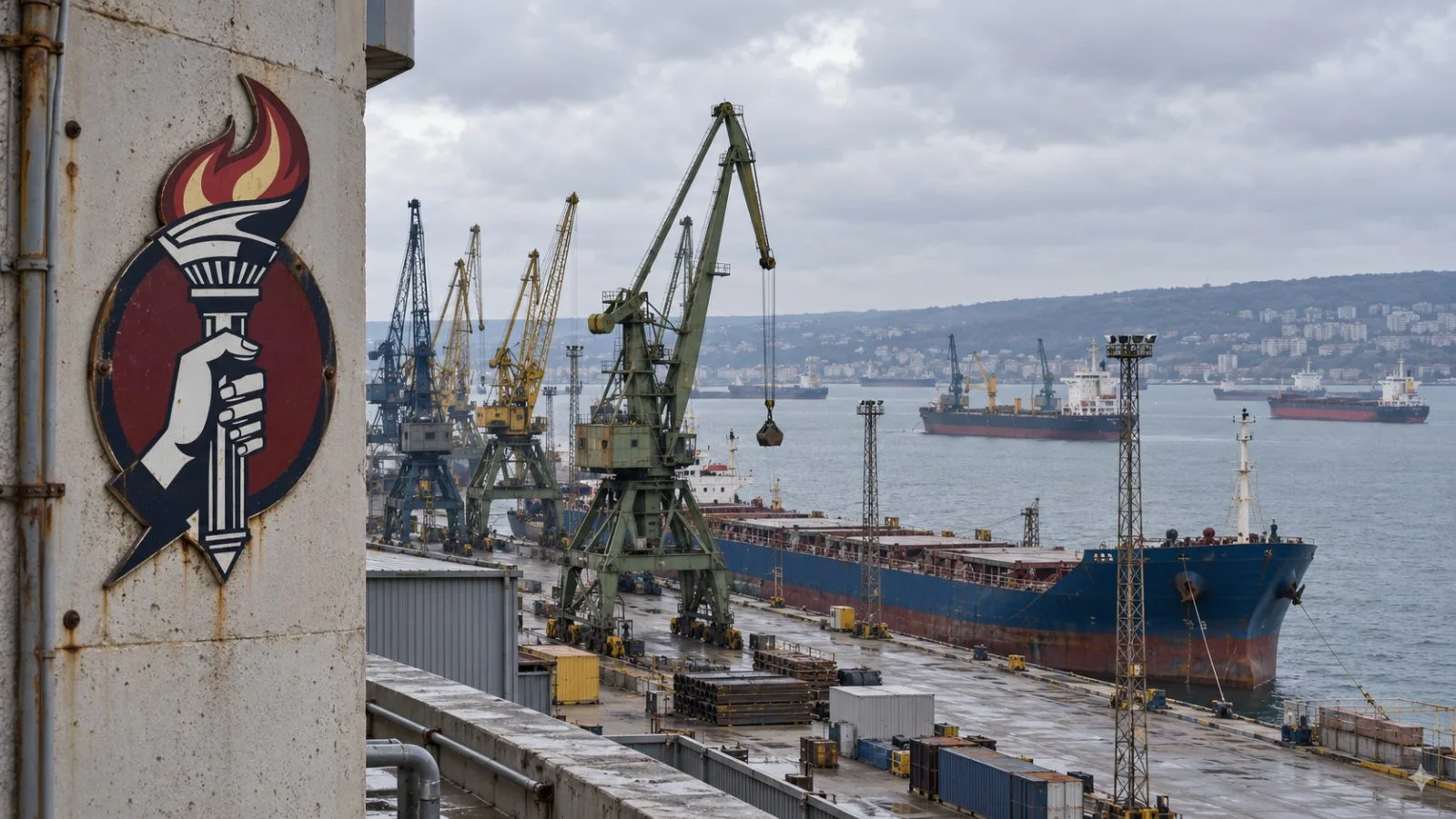
Washington also sanctioned Russia-based shipping company MG-Flot LLC, whose vessels allegedly transport weapons for the Russian government, and Saha Airlines, an Iranian carrier affiliated with the country’s air force.
However, Brett Erickson, managing principal at Obsidian Risk Advisors, questioned the sanctions’ immediate impact, arguing they were unlikely to significantly restrict Iran’s ability to conduct missile and drone operations in the Strait of Hormuz.
The latest action underscores Washington’s broader strategy of targeting Iran’s overseas procurement and logistics networks as pressure on Tehran intensifies.