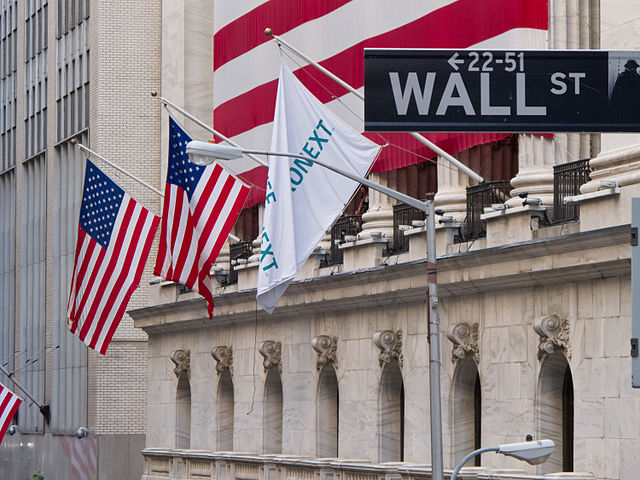
U.S. stocks ended lower on Friday, capping the worst monthly performance for Wall Street since March last year, as hotter-than-expected producer inflation data and continued weakness in technology stocks pressured investor sentiment. The S&P 500 fell 0.5% to 6,877.36, while the Nasdaq Composite dropped 0.9% to 22,668.21. The Dow Jones Industrial Average declined 1.1% to 48,977.18.
Technology shares led the downturn, with Nvidia stock sliding more than 5% despite reporting strong quarterly earnings. Investors appeared concerned about shareholder returns following a sharp rise in the company’s cash reserves, while profit-taking after a recent rally also weighed on the stock. For February, the S&P 500 lost 0.9% and the Nasdaq tumbled 3.4%, reflecting volatility driven by geopolitical tensions, trade uncertainty, and shifting views on artificial intelligence investment trends. Analysts noted growing concerns over AI-related capital expenditures and potential disruption risks in software and services.
Economic data added to market pressure. January’s Producer Price Index (PPI) rose 0.5% month-over-month and 2.9% year-over-year, exceeding expectations. Core PPI, which excludes food and energy, increased 0.8% monthly and 3.6% annually. The stronger inflation reading may delay Federal Reserve interest rate cuts, reinforcing concerns about sticky inflation. JPMorgan raised its January core PCE inflation estimate to 0.42%, suggesting the Fed could remain cautious in the coming months.
In corporate news, Netflix stock surged 14% after declining to raise its bid for Warner Bros. Discovery, while Paramount jumped nearly 21% following its improved $31-per-share offer. Dell Technologies soared 22% on record results fueled by AI server demand, and Block rallied 17% after announcing major job cuts to integrate artificial intelligence.
Meanwhile, OpenAI announced a record $110 billion funding round backed by Microsoft, SoftBank, Nvidia, and Amazon, underscoring surging AI demand. Oil prices also climbed, with Brent crude settling at $73.10 per barrel and WTI crude at $66.17, despite ongoing U.S.-Iran nuclear talks.