


 Dollar Near 18-Month High as Euro, Yen and Pound Weaken
  Elon Musk Eyes Semiconductor Manufacturing Expansion With $15 Billion Terrafab Project
  Trump Asks Supreme Court to Restore Third-Country Deportations
  Evan Gershkovich Says FSB Set Trap for 2023 Russia Arrest
  California Leads Lawsuit Over Trump’s $810 Million Funding Cuts
  Moonshot AI Executives Seek Settlement Ahead of Hong Kong IPO
  Xiaomi Shares Surge 7.6% as SkyNomad EV Orders Hit 70,000
  Florida Seeks Tougher Meta Rules to Protect Young Users
  Stellar Overtakes Ethereum in RWA Fund Inflows as XRP Leads Commodities
  Trump Sanctions International Criminal Court, Sparking EU Backlash
  US-Led Coalition Targets Global Factory Overcapacity
  Deutsche Bank CEO Urges Faster German Economic Reforms
  Bank of America Predicts Yen Rebound as USD/JPY Faces Risks
  UK Finance Minister Healey Calls for Fiscal Discipline Amid Global Risks
  DWF Labs Sues BitGo for $114 Million Over Alleged Token Sales Breach
  ICC Rules Duterte Fit to Stand Trial in Drug War Case


 Add as a preferred source on Google
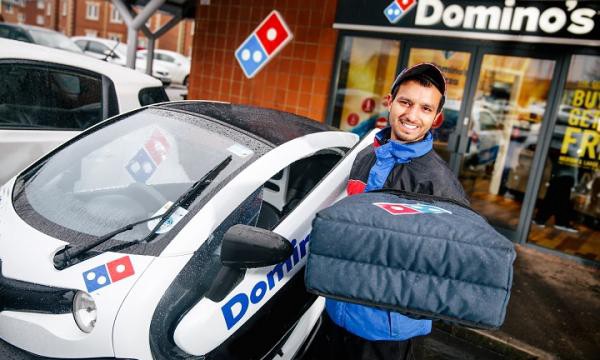
The US Supreme Court boosted Domino's Pizza Inc's bid to force delivery drivers to bring a California wage lawsuit in private arbitration rather than in court.
Business organizations have referred to arbitration as a quicker and more effective option for filing a lawsuit in court, but labor advocates claim the procedure skews in favor of businesses.
In 2020, three delivery drivers filed a lawsuit against Domino's in a state court in Santa Ana, California, alleging that the corporation had broken numerous wage rules. The case was later moved to federal court.
Domino's filed a motion to refer the disputes to arbitration, pointing to contracts the drivers had signed that prohibited them from filing a lawsuit in court. The motion was refused by a federal judge in Santa Ana, who ruled that the drivers weren't subject to arbitration because they were engaged in interstate commerce.
The 9th Circuit maintained the judge's ruling last year after concluding that the drivers played a crucial role in transporting goods from outside of California to their ultimate locations. The Supreme Court then heard an appeal from Domino's.
A lower court's decision to allow a group of drivers to file a class action lawsuit to recover work-related expenditures was overturned by the Supreme Court justices because the drivers' local deliveries were the last step in the movement of products over state lines.
The justices ordered the San Francisco-based 9th U.S. Circuit Court of Appeals to reevaluate the situation in light of the Supreme Court's unanimous decision in June that Southwest Airlines Co could not compel arbitration in a case involving overtime pay for baggage handlers because those individuals frequently load cargo onto interstate flights.
Transportation workers involved in interstate commerce are not covered by the Federal Arbitration Act, which enforces agreements that employees sign with businesses to arbitrate legal issues.







