Oil prices eased slightly during Asian trading on Wednesday after posting strong gains for three consecutive sessions. Investors continued to monitor the ongoing disruption in the Strait of Hormuz while also assessing the latest U.S. crude inventory data and inflation figures.
Brent crude futures for July delivery declined 0.4% to $107.36 per barrel, while West Texas Intermediate (WTI) crude futures slipped 0.3% to $101.91 per barrel. Despite the minor pullback, both benchmark contracts surged more than 3% in the previous trading session amid escalating geopolitical tensions in the Middle East.
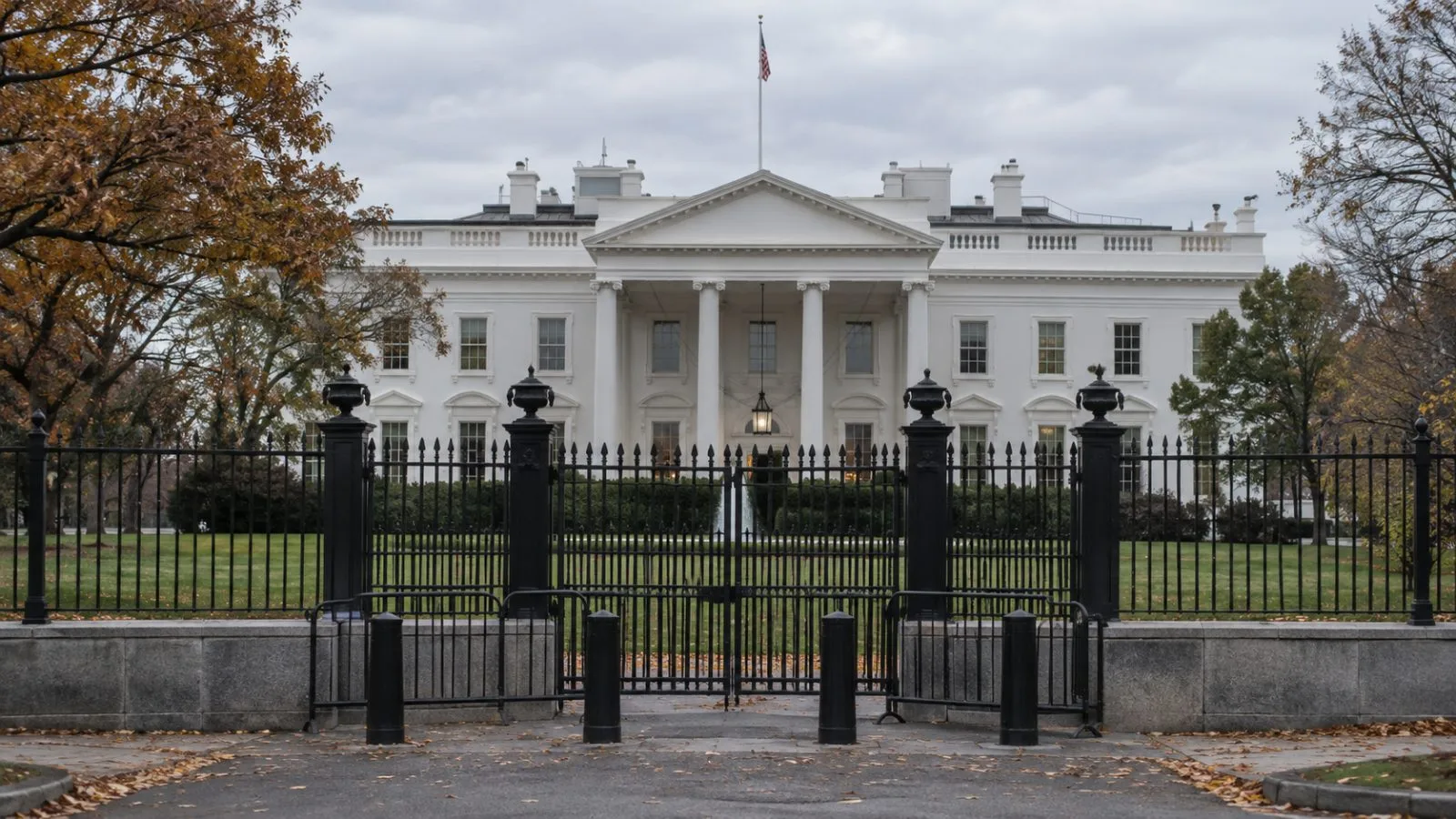
Market sentiment remains heavily influenced by uncertainty surrounding the Iran conflict. U.S. President Donald Trump recently stated that the possibility of a ceasefire with Iran was on “life support,” rejecting Tehran’s latest response to U.S.-supported peace proposals. These comments intensified concerns that the conflict could continue for an extended period, further threatening global oil supplies.
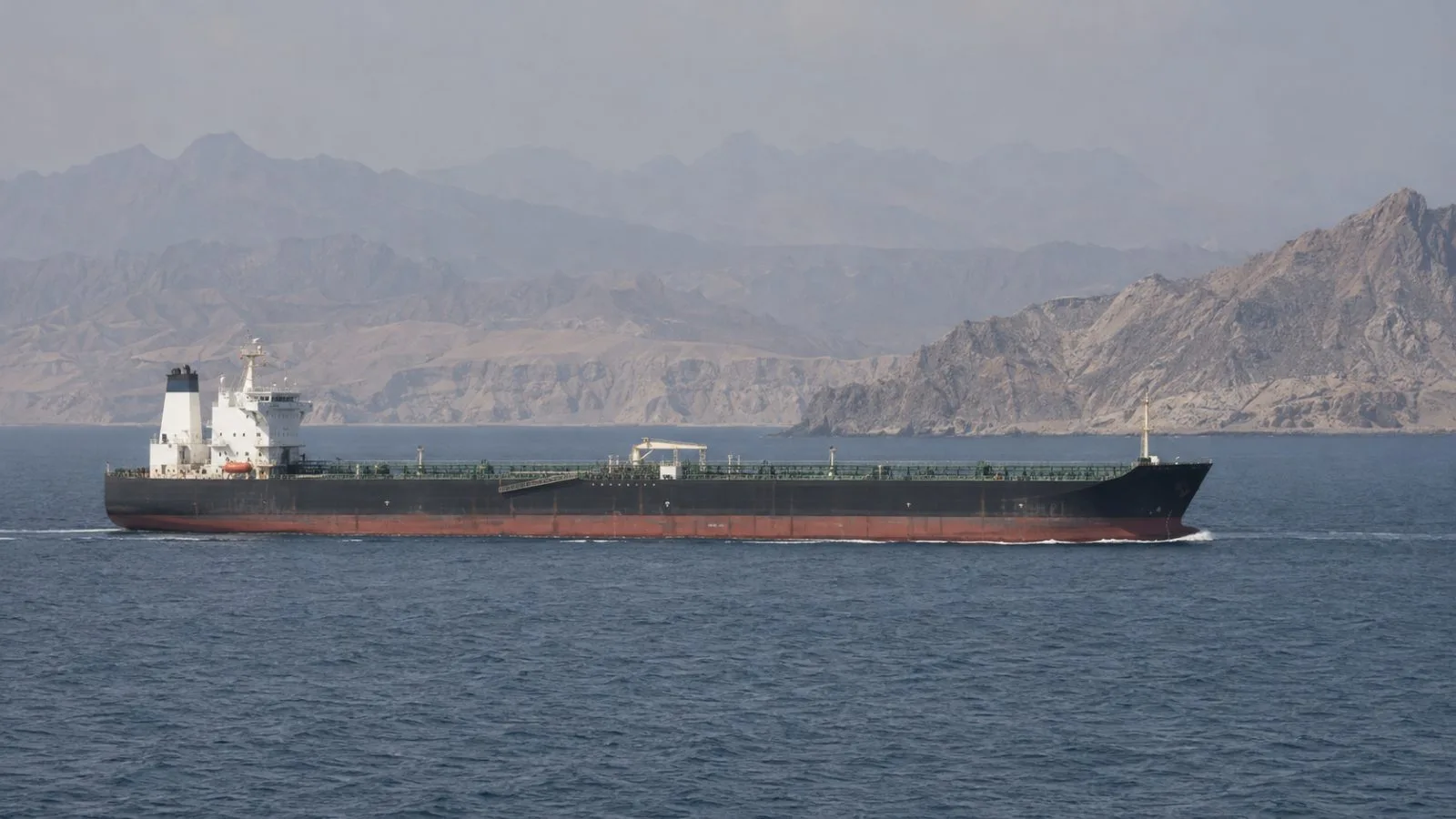
The Strait of Hormuz, a critical shipping route responsible for transporting nearly 20% of global oil consumption, remains severely restricted after Iran tightened maritime controls earlier this year. According to the U.S. Energy Information Administration (EIA), the route may stay effectively closed through late May, potentially causing a deeper decline in global oil inventories.
The EIA now forecasts global stockpiles could shrink by 2.6 million barrels per day in 2026, while Brent crude prices may average around $106 per barrel during May and June. Saudi Aramco CEO Amin Nasser also warned that oil market disruptions linked to Hormuz could continue affecting supply stability until 2027.
Meanwhile, data from the American Petroleum Institute showed U.S. crude inventories fell by 2.188 million barrels last week, marking the fourth consecutive weekly decline and supporting higher oil prices.
Investors are also closely watching upcoming talks between Trump and Chinese President Xi Jinping in Beijing, where discussions are expected to include energy security, trade tariffs, and the ongoing Iran crisis.