


 Global Poll Shows Rising Trust in Institutions as US-China Leadership Support Falls
  What is Zionism? The different meanings of a contested term
  Trump Administration Removes Confederate Memorial Criticism From Arlington Website
  Countries Tighten Social Media Bans for Children
  U.S. Imposes New Visa Restrictions Over South Africa Policies
  Europe can’t achieve space sovereignty alone. Here’s why
  Brazil Warns EU of Retaliation Over Animal Products Ban
  SEC Seeks ISS Client Voting Records in Proxy Adviser Probe
  Trump Eyes End to Iran War, Plans Gulf Leaders Meeting
  Nvidia CEO Jensen Huang Expected at Trump-Xi State Dinner
  Judge Blocks Trump Rule Limiting Foreign Student Visas
  FDA Weighs Safety Standards for Psychedelic Therapies
  ICE Agent Arrested in Minneapolis Over Venezuelan Man Shooting
  France Targets Shein, Temu With Fast-Fashion Fees
  Trump Grants Clemency to Jay-Z Associate Emory Jones
  US Bans Canadian Alcohol, Motorcycles as Trade War Escalates


 Add as a preferred source on Google
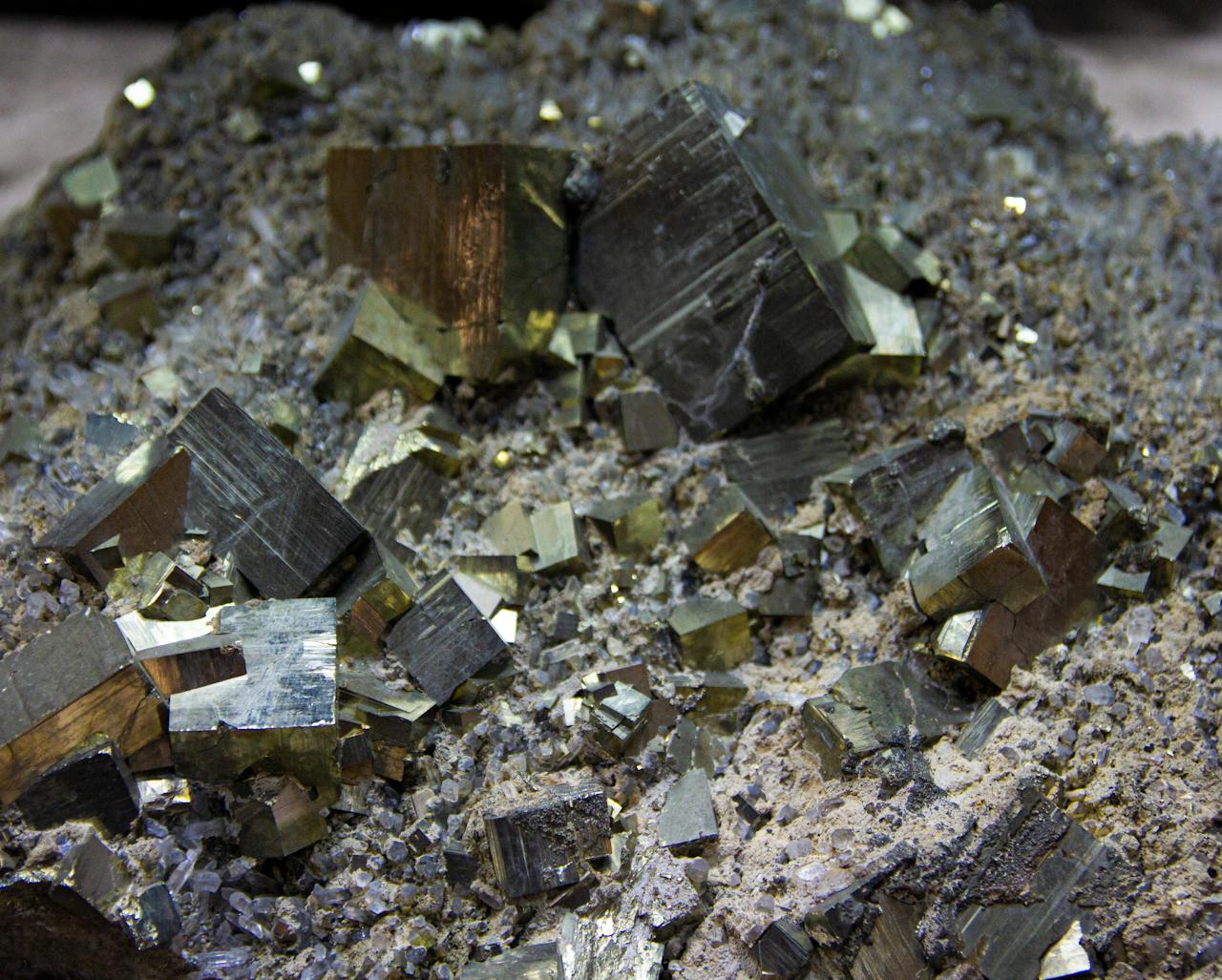
The United States government has taken a significant step toward revitalizing economic ties with Venezuela by issuing new general licenses related to the country's critical minerals sector. The U.S. Treasury Department announced the move on Friday, signaling a broader effort to reorient foreign investment in ways that benefit both American and Venezuelan interests.
The newly issued licenses cover two key areas of activity. The first authorizes the supply of specific goods and services needed to support mineral operations within Venezuela. The second permits companies to negotiate and enter into contingent contracts tied to investments in Venezuela's growing minerals sector. Together, these licenses open the door for U.S.-linked businesses to participate more actively in one of South America's most resource-rich economies.
In an official statement shared on X, the Treasury Department framed the decision as part of a larger strategy aimed at bringing the Venezuelan economy back online. Officials emphasized that the goal is to channel investment in a direction that creates tangible benefits for people on both sides of the relationship — fostering economic recovery in Venezuela while expanding opportunities for American stakeholders in the global critical minerals market.
The timing of this announcement is particularly noteworthy given the intensifying global race to secure critical mineral supply chains. Nations worldwide are competing for access to raw materials essential for clean energy technologies, electronics, and national defense infrastructure. Venezuela, which sits on vast reserves of minerals including gold, coltan, and bauxite, represents a potentially significant player in meeting that demand.
This latest licensing action reflects a careful but deliberate shift in U.S. economic policy toward Venezuela, prioritizing strategic resource access and economic engagement over prolonged isolation. As negotiations and investments begin to take shape under the new framework, the global mining and energy industries will be watching closely.







