


 Lula, Flavio Bolsonaro Deadlocked in Brazil Election Polls
  US Officials Meet Houthis in Oman Amid Yemen Offensive
  Google Changes EU Spam Policy Amid Antitrust Scrutiny
  Trump Eyes End to Iran War, Plans Gulf Leaders Meeting
  U.S. Imposes New Visa Restrictions Over South Africa Policies
  Saudi Arabia Raises Security Alerts as Houthi Attacks Threaten Oil Routes
  Rodrigo Duterte Makes First Public Appearance at ICC in 18 Months
  New Zealand Labour Backs Social Media Ban for Under-16s
  SEC Seeks ISS Client Voting Records in Proxy Adviser Probe
  Australia Tightens Student Visa Rules, Targets Migration Cut by 2028
  Trump Threatens EU Tariffs Over Canada Membership Proposal
  Ovechkin Faces Scrutiny Over United Russia Campaign Video
  Who should own the knowledge that underpins AI technology?
  Global Poll Shows Rising Trust in Institutions as US-China Leadership Support Falls
  Brazil Warns EU of Retaliation Over Animal Products Ban
  Judge Blocks Trump Rule Limiting Foreign Student Visas
  Europe can’t achieve space sovereignty alone. Here’s why


 Add as a preferred source on Google
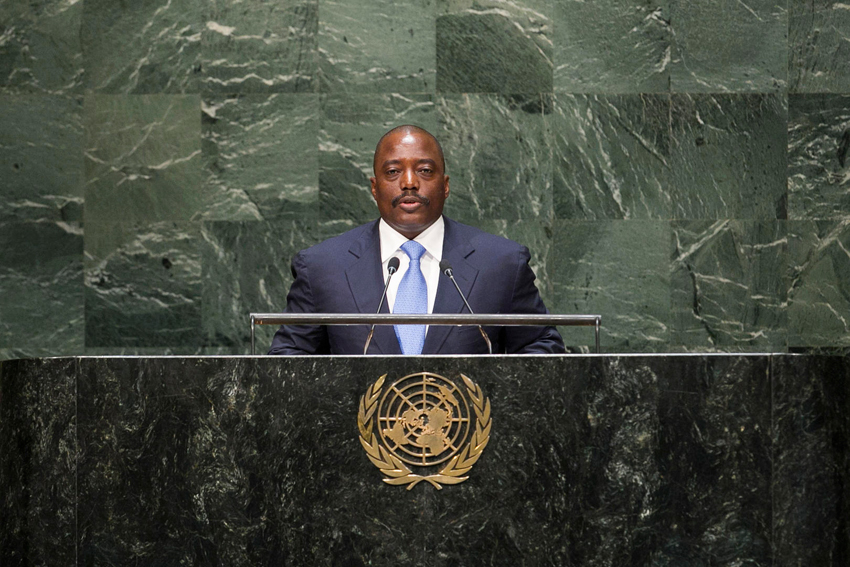
The United States has imposed sanctions on former Democratic Republic of Congo (DRC) President Joseph Kabila, accusing him of supporting Rwanda-backed M23 rebels and contributing to ongoing instability in eastern Congo. The U.S. Treasury Department announced that Kabila allegedly provided financial backing to the Congo River Alliance (AFC), the political-military wing linked to M23, which has been blamed for escalating violence and worsening the humanitarian crisis in the region.
According to U.S. officials, the M23 rebel group has played a central role in fueling conflict in eastern DRC, leading to thousands of civilian deaths and the displacement of large populations. Treasury officials stated that Kabila’s involvement included encouraging Congolese troops to defect and join rebel forces, while also attempting to regain political influence by supporting opposition figures against current President Felix Tshisekedi.
DRC Deputy Prime Minister Jacquemain Shabani welcomed the sanctions, describing Kabila as a key figure behind the country’s instability. He emphasized that holding individuals accountable is critical to achieving lasting peace in the region. The sanctions are part of broader U.S. efforts to revive a fragile peace agreement between Rwanda and the DRC, initially brokered in Washington but later collapsed. Recent diplomatic talks have aimed to reduce tensions and restart the peace process.
The U.S. has also previously sanctioned Rwanda’s military and senior officials over their alleged involvement in the conflict, urging immediate withdrawal from eastern Congo. Rwanda continues to deny accusations of supporting M23 rebels despite claims from the United Nations and Western governments.
Kabila, who ruled the DRC for nearly two decades, was sentenced to death in absentia last year on charges including war crimes and treason. He has denied all allegations, calling the legal actions politically motivated. Currently based mainly in South Africa, Kabila has remained a controversial figure in Congolese politics.
Under the new sanctions, all U.S.-based assets linked to Kabila are frozen, and he is barred from engaging in transactions within the U.S. financial system, signaling Washington’s firm stance against those undermining peace in the DRC.







