The probability of a December Federal Reserve interest rate increase rebounded to 76% after the U.S. jobs report, Anna Wong, chief U.S. economist at Bloomberg Economics, said in an interview published Nov. 7.
Bloomberg Economics still expects no increase, with uncertainty over a selloff in artificial intelligence stocks clouding the outlook. The probability had approached 80% before falling to 65% during the previous day's trading.
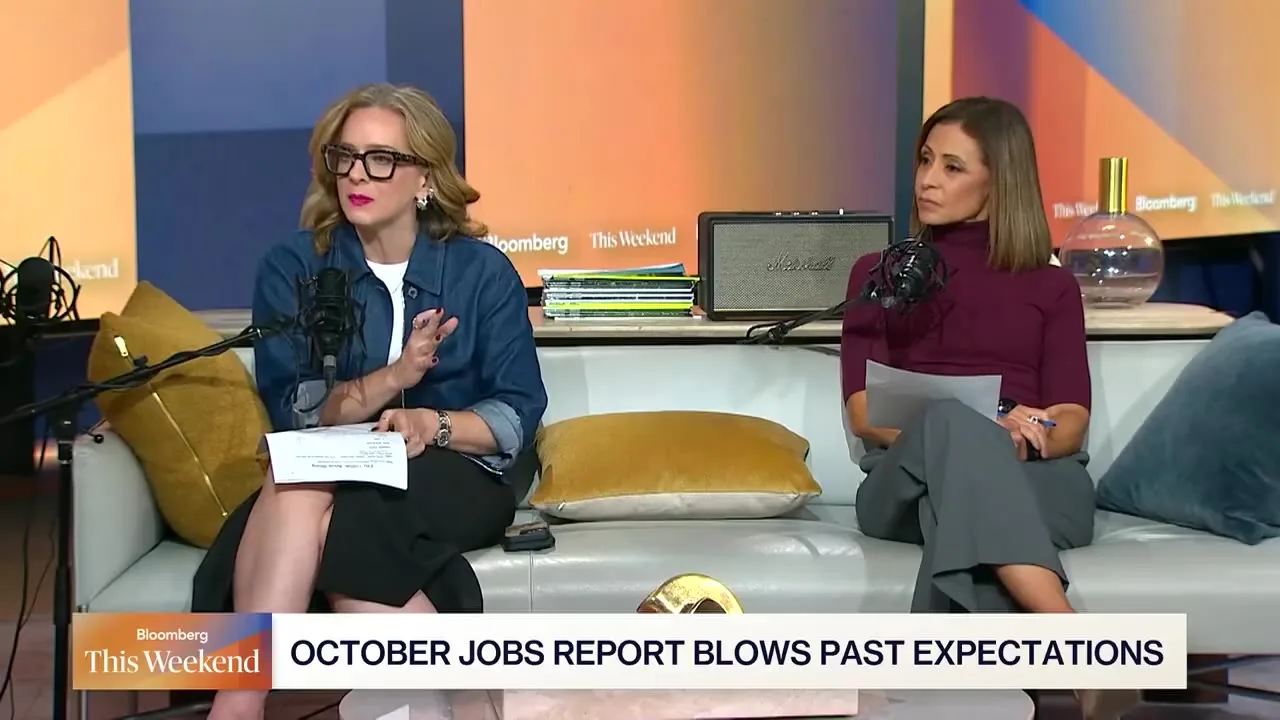
Wong discussed hiring, interest rates and Bloomberg's own inflation tracking on Bloomberg Television's “US Jobs Surge Raises Odds of December Fed Hike.”
“It's one of the best jobs reports in at least two years, in my opinion,” Wong said. Hiring spread beyond education and health care, which she described as the usual sources of employment growth.
Professional and business services added jobs despite concerns that artificial intelligence would replace office workers. Manufacturing, warehousing and transportation also showed gains, broadening the sources of hiring.
Within professional and business services, administrative services accounted for much of the growth. The Bureau of Labor Statistics had not yet released enough detail to establish precisely which jobs employers added.
That left open whether the gains involved secretarial work or physical services provided to offices. Management consulting also recorded strong growth, but the available breakdown did not explain what drove it.
The Nasdaq 100 had recorded its steepest drop since March 2020 before the hiring figures lifted expectations for a December increase, Wong said. She described the stock market's direction over the next few weeks as a “huge open question.”
A deeper AI selloff could make borrowing and raising money harder, leaving doubts about the central bank's next decision. Whether stocks would recover also remained unresolved.
Wong then described the Bloomberg Price Project, a company initiative that began by tracking the effect of tariffs on prices. Its scope expanded after clients sought an alternative source of economic statistics.
Demand increased after the firing of the Bureau of Labor Statistics commissioner last summer following a weak employment report. Wong linked that demand to declining trust in official figures.
The project seeks to rebuild the consumer price index, a measure of changes in prices paid by households, using methods close to the department's. It draws on credit card data, regulatory filings, website prices and grocery scanner records.
Bloomberg's project provides about 1,000 detailed categories, compared with roughly 200 published by the department, Wong said. Its information reaches individual companies and brands and is available through Bloomberg's terminal and website.
Wong identified a debt ceiling dispute and government shutdown as risks for 2027 following Democratic election gains. She said Bloomberg would continue providing figures even if a shutdown interrupted official releases for months.
Beef offered an example of the project's detail. Wong linked last year's price jump to screwworms entering through the southern border and put the increase in skirt steak prices at 60%.
Boneless rib-eye steak prices had fallen about 20% after rising 60% last year, Wong said. Prices therefore remained above their earlier level despite the decline.