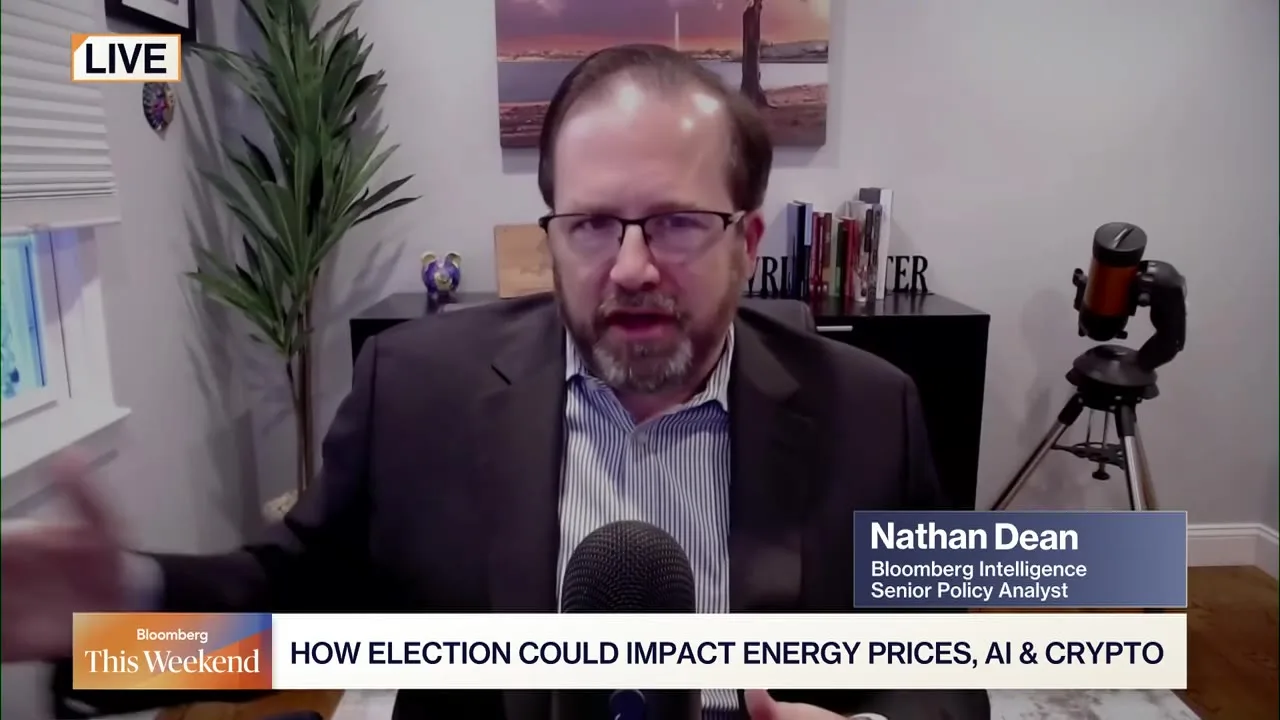
US financial regulators are expected to finalize about 20 proposals in 2027 regardless of the midterm election outcome, Nathan Dean, senior government analyst at Bloomberg Intelligence, said in an interview.
A Democratic takeover of the House of Representatives would bring hearings and oversight but would do little to stop agencies easing rules, he said. The White House is pushing agencies to finish their work.
Speaking on Bloomberg Television's “Investors Brace for Post-Midterm Policy Shifts,” published Oct. 31, Dean said clients should “expect a lot of deregulation to happen over the next six months.”
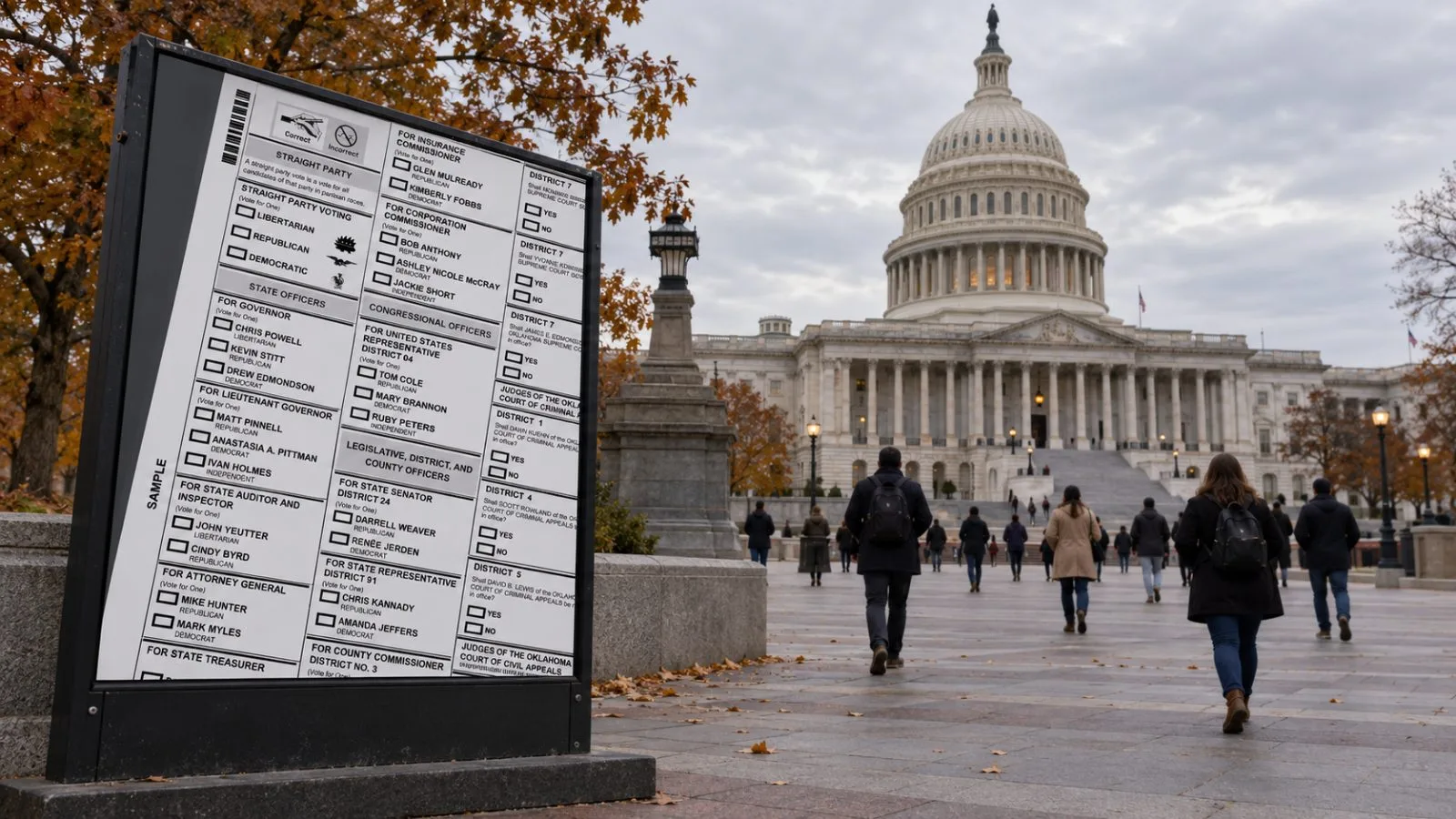
The proposals span the Federal Reserve, Securities and Exchange Commission and Commodity Futures Trading Commission. They cover areas including cryptocurrency, banking and rules governing shareholders' access to company ballots, with changes expected in 2027 and 2028.
On energy, Dean said presidential decisions on trade, security and tariffs would draw attention back to President Donald Trump after the election. He cited talk of a possible US attack on Iran later that week.
That possibility puts the Strait of Hormuz and Brent crude prices in focus. Trump is also pressing energy companies to invest in Venezuela, raising questions about protection for investments beyond Jan. 20, 2029.
Companies such as Exxon Mobil and ConocoPhillips face requests to spend billions of dollars while considering how to protect investments over the longer term.
On artificial intelligence, Dean said Trump would retain control over federal policy until Jan. 20, 2029, through his authority to sign legislation and approve regulation.
Bloomberg Intelligence is watching 36 gubernatorial races next week amid opposition to data centers. Dean expects that opposition to delay some projects or shift their locations without changing planned spending.
He said the 2028 presidential campaign would start on Wednesday after the midterms. Opposition to artificial intelligence and economic populism could increasingly shape proposed policies as that election approaches.
For banking, Bloomberg Intelligence expects the Fed to finalize changes to bank capital rules during the period after the election and before the new Congress takes office.
Dean put the capital those changes would free up for eight globally important banks at about $18 billion. He added that to $13 billion freed earlier this year, bringing the total to about $31 billion.
Bank of America, Citigroup and JPMorgan are among the banks he identified as beneficiaries. For regional lenders, he expects a proposal raising the asset thresholds that trigger stricter supervision to become final next year.
That could create more room for expansion and acquisitions among banks with assets ranging from about $100 billion to about $700 billion. He named PNC, Capital One and Truist at the upper end.
On trade, Dean expects a Democratic Congress to focus on hearings and public debate rather than changes to policy. “2027 is the year of the tariff, not 2025,” he said.
He said the Supreme Court had rejected Trump's use of emergency powers for tariffs, prompting a switch to other legal authorities. He expects tariffs to return strongly next year, exposing retailers including Costco, Lululemon, Nike and Adidas.
Dean gave no timetable for individual regulatory decisions and did not specify which data center projects might face delays. His expectations for bank capital changes and renewed tariffs remain forecasts.