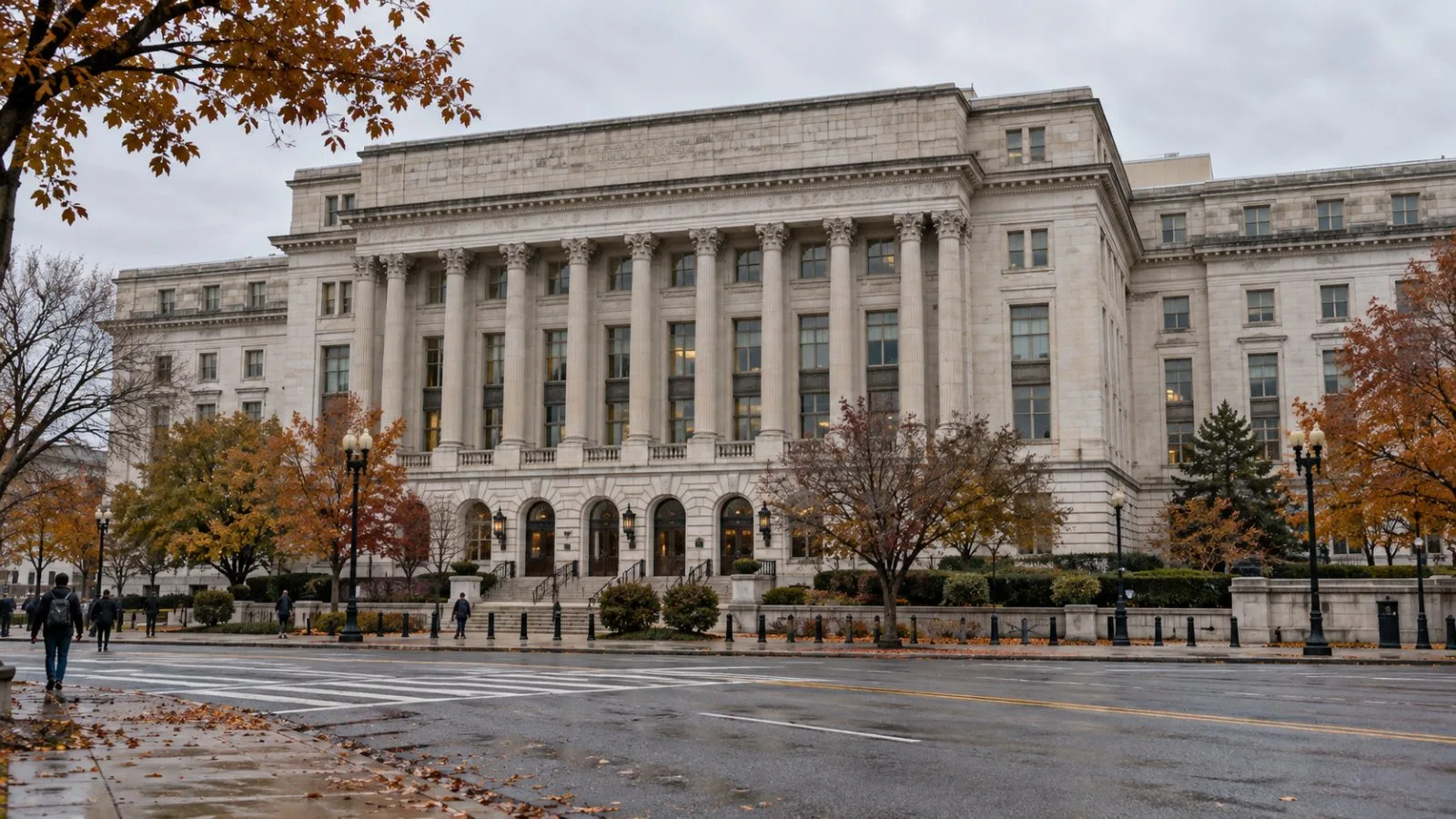
The U.S. Department of Agriculture (USDA) announced an $8 billion program for one-time farmer payments based on modeled losses during the 2026 crop year, addressing market disruptions and higher input costs.
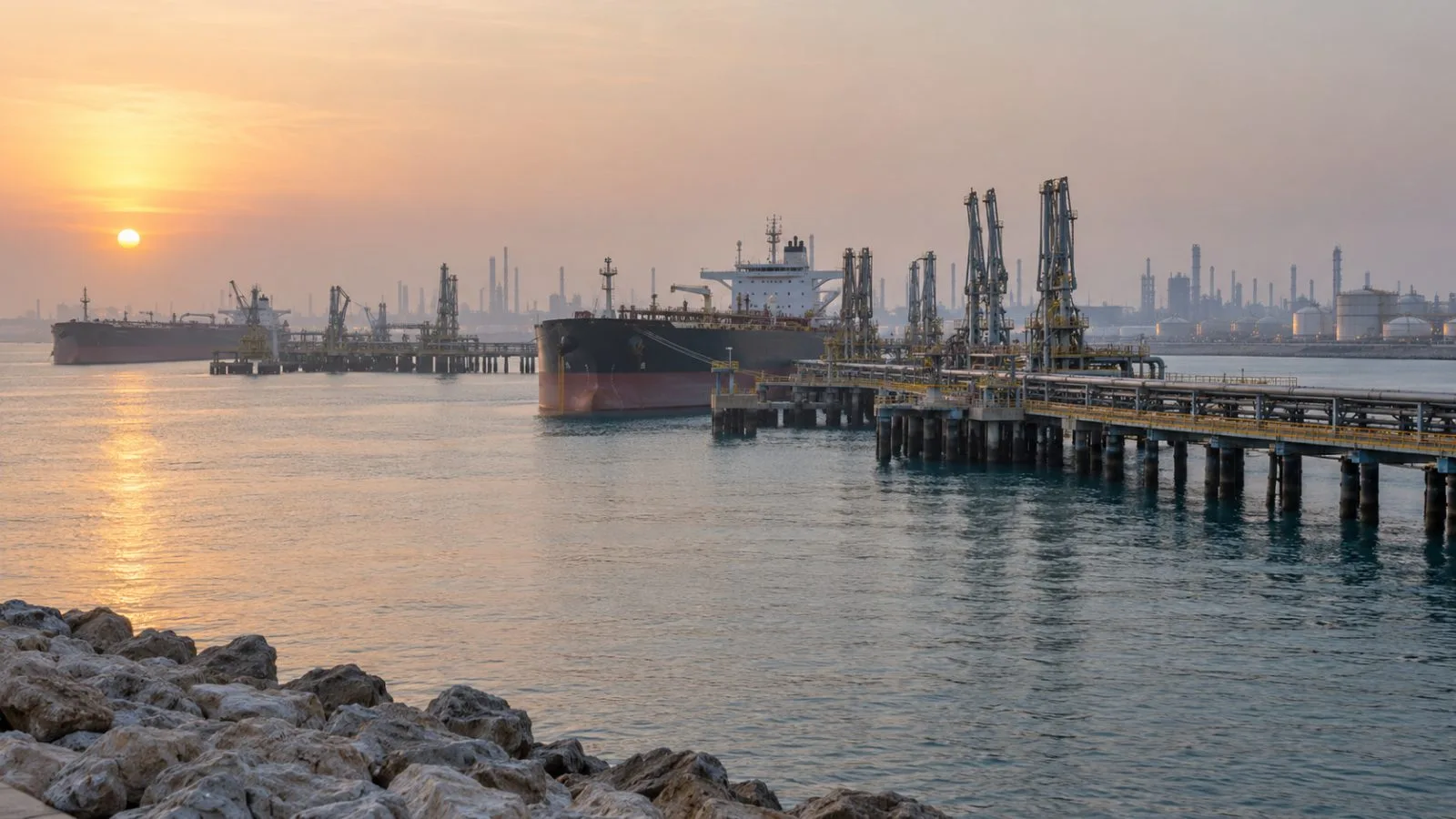
President Donald Trump said at an Oct. 19 campaign event in Kansas that the funding would help farmers meet diesel costs during harvest. USDA calls the effort Harvest Fuel Relief. Reuters also reported that Trump signed an order earlier this month that he described as widening farmers’ access to diesel exempt from taxes.
Payments will cover a modeled portion of losses for the crop year, rather than claims tied to verified damage at individual farms. USDA said its calculation will use planted acres reported to the Farm Service Agency (FSA), production-cost estimates from the department’s Economic Research Service (ERS), and yield and price data in its World Agricultural Supply and Demand Estimates.
FSA will administer the payments under authority granted by the Commodity Credit Corporation Charter Act, USDA said. Farmers will not need crop insurance to qualify.
The program comes amid higher cost projections. ERS forecast that U.S. farm production expenses would total $492.8 billion in 2026, 4.5% above its 2025 estimate. It also projected fuel and oil expenses to increase 28.8%, with fertilizer, lime and soil conditioner costs rising 15.3%. Those are national estimates, not Kansas-specific figures.
The announcement came as Republicans campaigned to retain their congressional majorities ahead of November’s midterm elections. Reuters reported that the party was seeking to retain backing in agricultural states with competitive Senate contests. The USDA release added program details after Trump’s Oct. 19 Kansas announcement of the funding.
USDA plans to publish payment rates for Title I commodities in November. It has not outlined how it will calculate aid for other eligible commodities; specialty-crop growers and fishermen may submit information about higher fuel costs for consideration.