In a rather surprising development, Uber recently disclosed that it has been sending driverless trucks all across Arizona to deliver goods since November of last year. This is surprising since the company was wrapped up in a lawsuit against Waymo at the time and it offered no indication of how far its self-driving program had come along. At least, until now.
Right now, the program is restricted in Arizona, which means that Uber can’t operate its trucks outside of state lines. Instead, the company will have its driverless trucks deliver goods right until the border, where an actual driver will meet it to take the goods the rest of the way, USA Today reports.
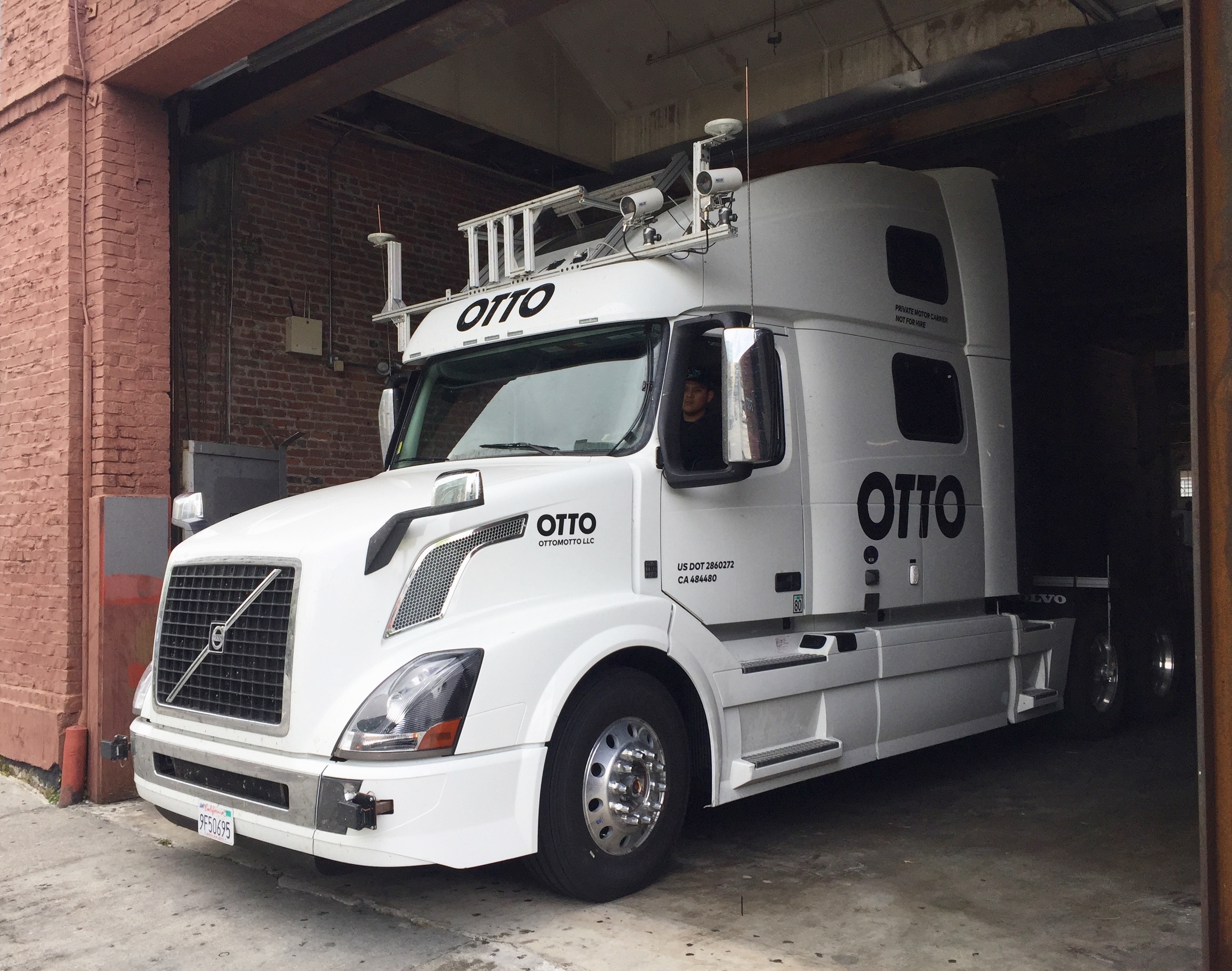
It’s worth noting that Uber did not manufacture the trucks but are actually using Volvo rigs that are equipped with the technology. If this move pans out, the cab-hailing firm could start expanding its services to include the shuttling or even shipping of goods all across the country.
Uber could also simply sell the technology to truck manufacturers so that they can equip their own vehicles with driverless features. This is the direction that the industry is already taking anyway. According to Alden Woodrow, the head of Uber’s self-driving division, this is also good for drivers.
"The big step for us recently is that we can plan to haul goods in both directions, using Uber Freight to coordinate load pickups and dropoffs with local truckers,” Woodrow notes. "Keeping trucking local allows these drivers to make money while staying closer to home."
As Recode notes, this development was made possible with the acquisition of the self-driving truck startup Otto in 2016, which involved getting former Google engineer Anthony Levandowski. That decision turned out to be a bit of a disaster for the company, but development for driverless trucks was part of the deal. Now, it seems this particular detail is panning out.