Ukraine's debate over who selects its prosecutor general has sharpened as a proposed parliamentary bill would add outside screening, while the European Union calls for merit-based procedures but does not prescribe an open contest.
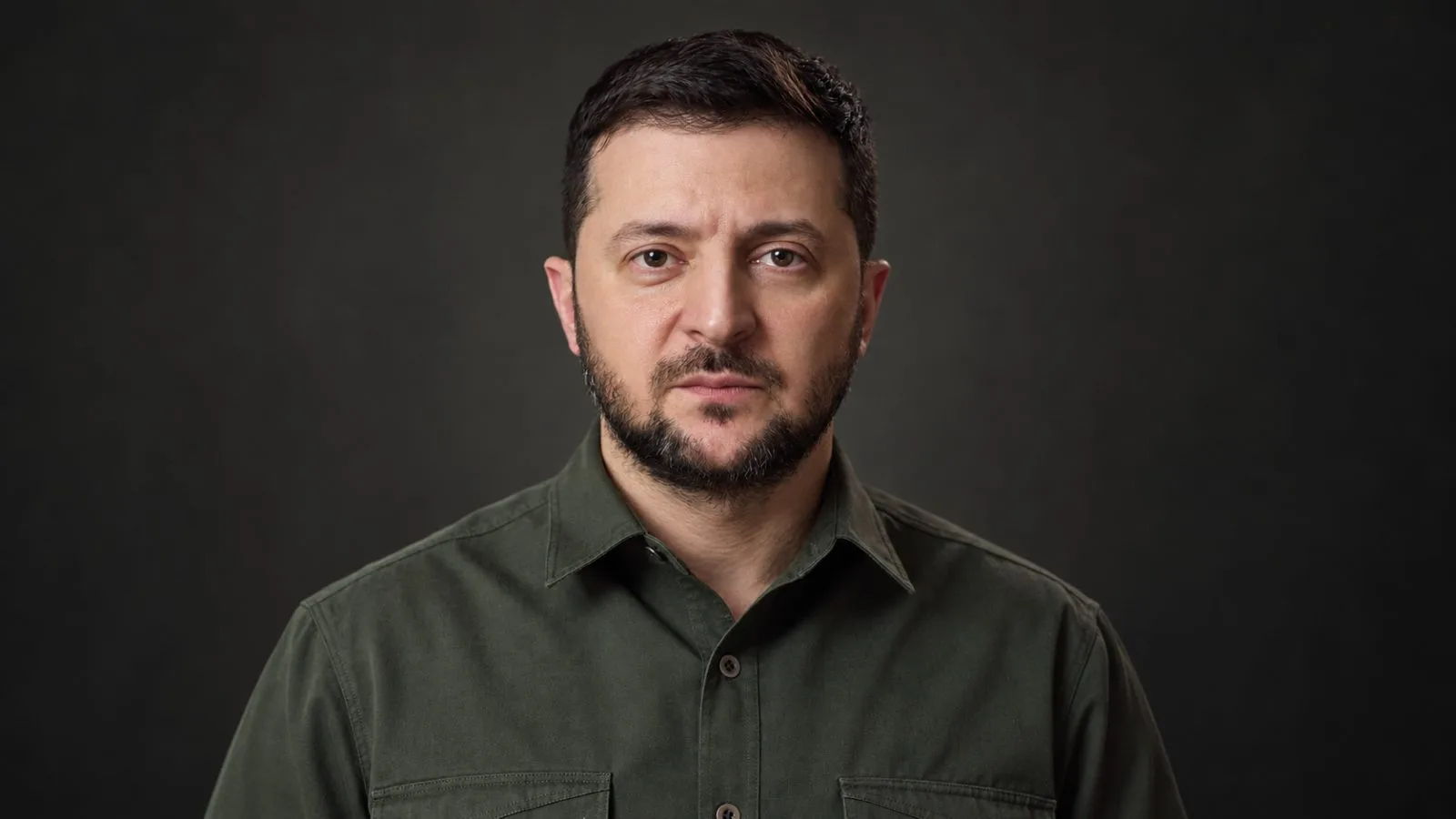
Vsevolod Chentsov, Ukraine's deputy prime minister for European and Euro-Atlantic integration, said in an interview published Oct. 19 by European Pravda that he saw no need or possibility for an open contest. He described that as his personal position and said reforms could still improve transparency and assess candidates' professional qualifications while preserving the constitutional roles of the president and parliament.
The EU's June 12, 2026, common position calls for more objective, transparent and merit-based procedures to select and dismiss the prosecutor general. Its interim benchmark also covers senior prosecutors, but the documents do not explicitly require an open contest for the top post.
Ukraine's Constitution gives the president authority to appoint and dismiss the prosecutor general with parliament's consent. A Dec. 11, 2025, statement by EU Enlargement Commissioner Marta Kos and then-Deputy Prime Minister Taras Kachka called for a review of the selection and dismissal procedure with Venice Commission involvement. The statement separately called for competitive selection for other prosecutorial positions.
Bill No. 15343, registered June 22, 2026, proposes a six-member commission. The High Council of Justice would select all six members; proposals for three seats would come from international and foreign organizations of EU member states. The commission would send two candidates to the president, who would have 10 working days to submit one to parliament.
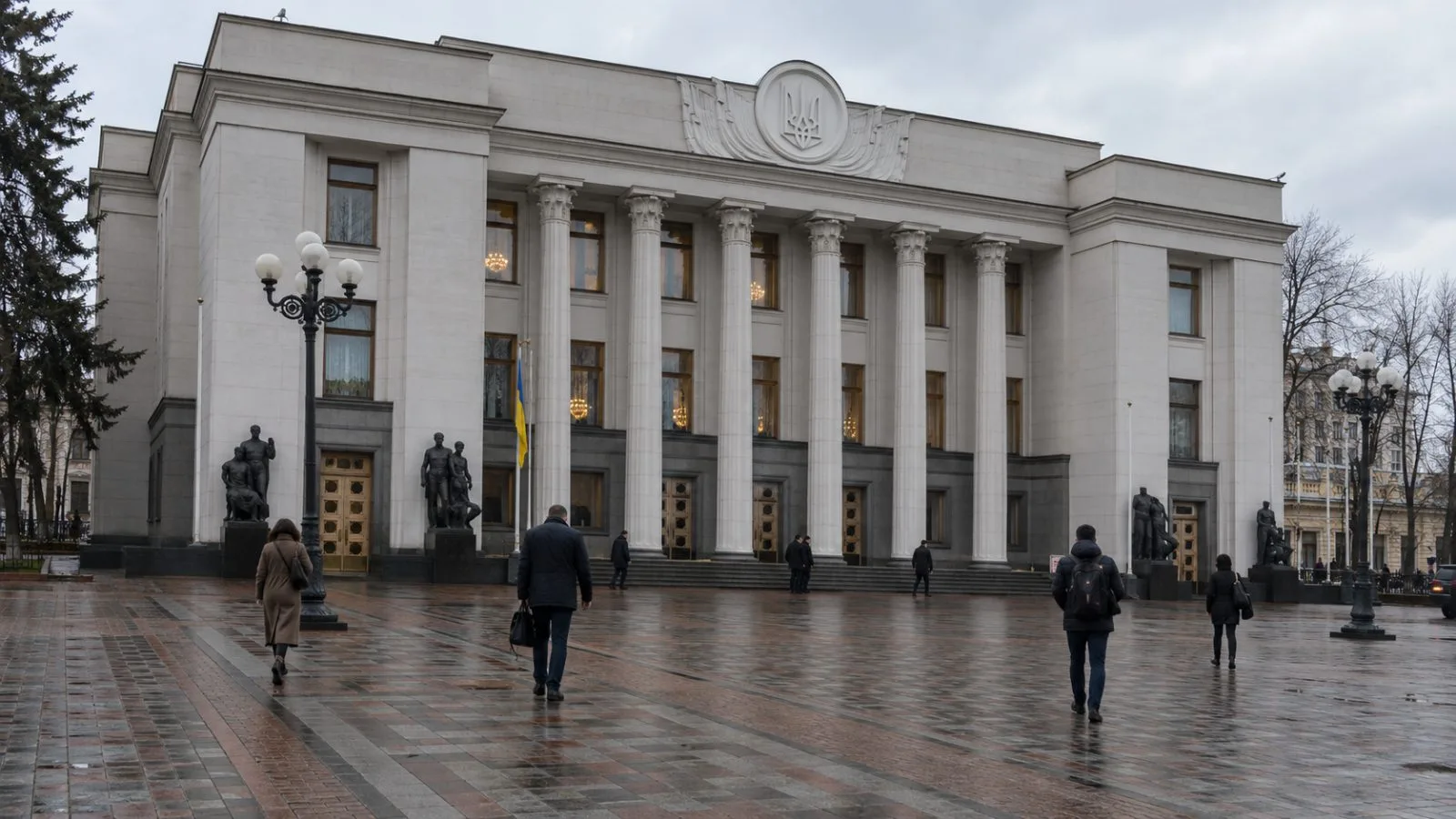
The Verkhovna Rada Research Service said restricting the president's choice to commission-screened candidates could limit a constitutional presidential power. The Research Service’s assessment is advisory; it is not a court ruling on the bill. Parliament's anti-corruption committee has urged prompt consideration. The bill record lists the Committee on Law Enforcement as the lead committee and shows the proposal under committee consideration, with no vote scheduled.
The European Commission says progress on rule-of-law requirements helps set the pace of Ukraine's broader EU accession talks. The bill's next step remains committee consideration.