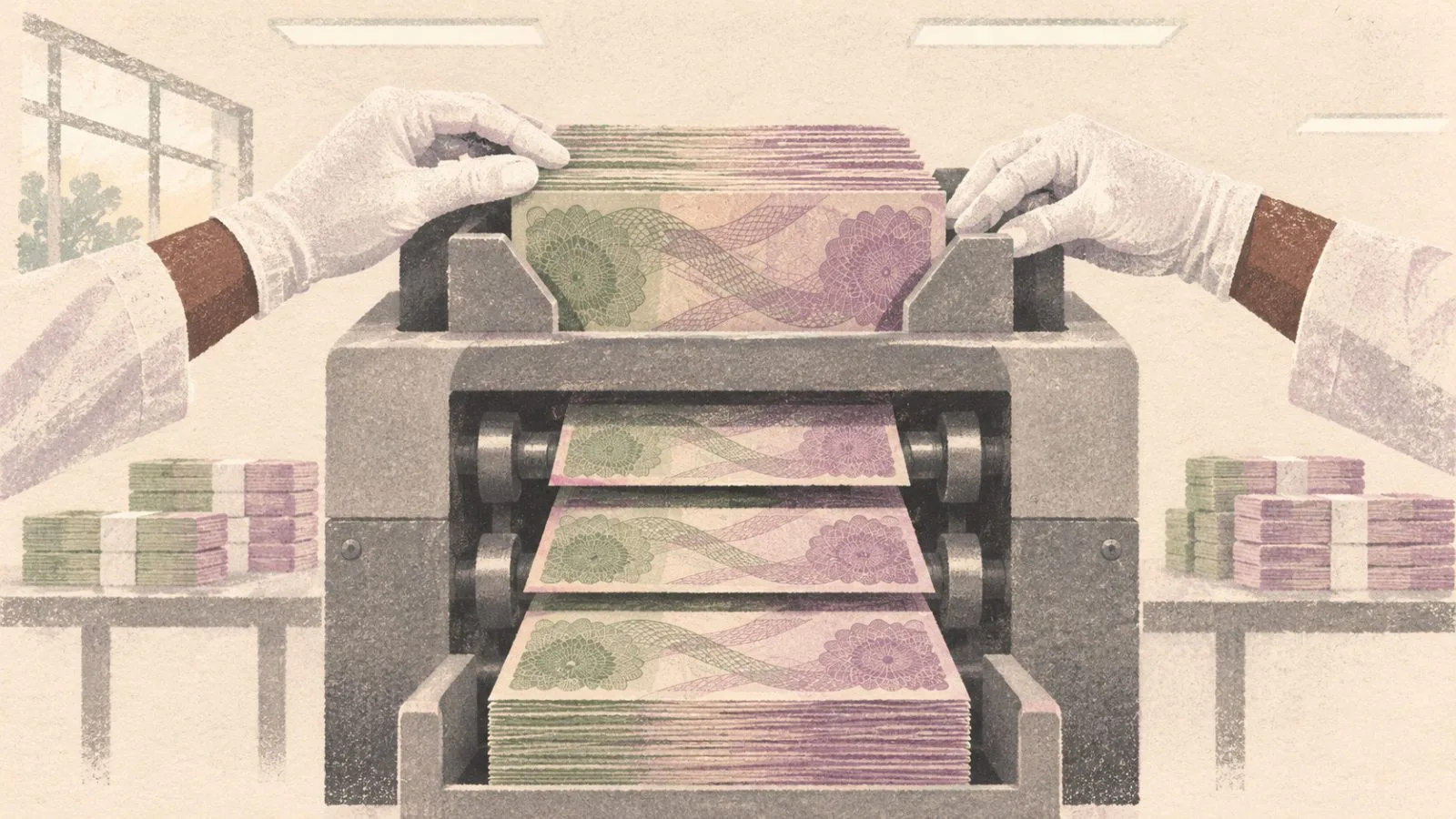
Nigeria’s electronic-payment value reached ₦1.2 quadrillion in 2025, while reported fraud losses fell 51%; separate Central Bank of Nigeria documents set out public-education plans and payment-security duties for providers.
The Central Bank of Nigeria’s Payments System Vision 2028 put electronic-payment value at ₦1.2 quadrillion, up from ₦1.07 quadrillion in 2024. TechEconomy reported that the Nigeria Inter-Bank Settlement System (NIBSS) presented figures at a January 2026 forum putting digital-payment fraud losses at ₦25.85 billion in 2025, compared with ₦52.26 billion the year before. Punch and Vanguard also reported the loss totals.
Punch and Vanguard put the 2025 fraud-case count at 67,518, down from 70,111 in 2024, a 4% decrease. A separate account from Guardian Nigeria gave the 2025 count as 67,515, leaving the published figures three cases apart.
NIBSS Managing Director and Chief Executive Officer Premier Oiwoh said a fraud case involving one entity produced ₦31.1 billion in losses in 2024, making up much of that year’s total. Given the size of that case, the 51% annual decline alone does not establish that underlying fraud risk fell by the same proportion.
The CBN’s Payments System Vision 2028 lists planned financial-literacy and fraud-awareness campaigns through radio, USSD, television, social media and community roadshows. It also includes consumer-redress measures. The roadmap presents the campaigns as plans and does not attribute the 2025 loss decline to them.
A separate CBN circular dated March 12 took effect July 1. It lets customers request lower personal transaction limits, subject to verification and risk assessment, while leaving existing regulatory ceilings unchanged. The circular sets different inflow and outflow limits for new accounts and outflow limits for existing accounts. It also requires fraud monitoring, identity checks for online account opening and reactivation, and mobile banking apps bound to one device at a time. When an app is activated on a new device, the provider must set a temporary limit for the first 24 hours, capped at ₦20,000.
BusinessDay’s Nov. 17 editorial framed customer education as one part of payment safety and said providers retain responsibility for platform safeguards and complaint handling.