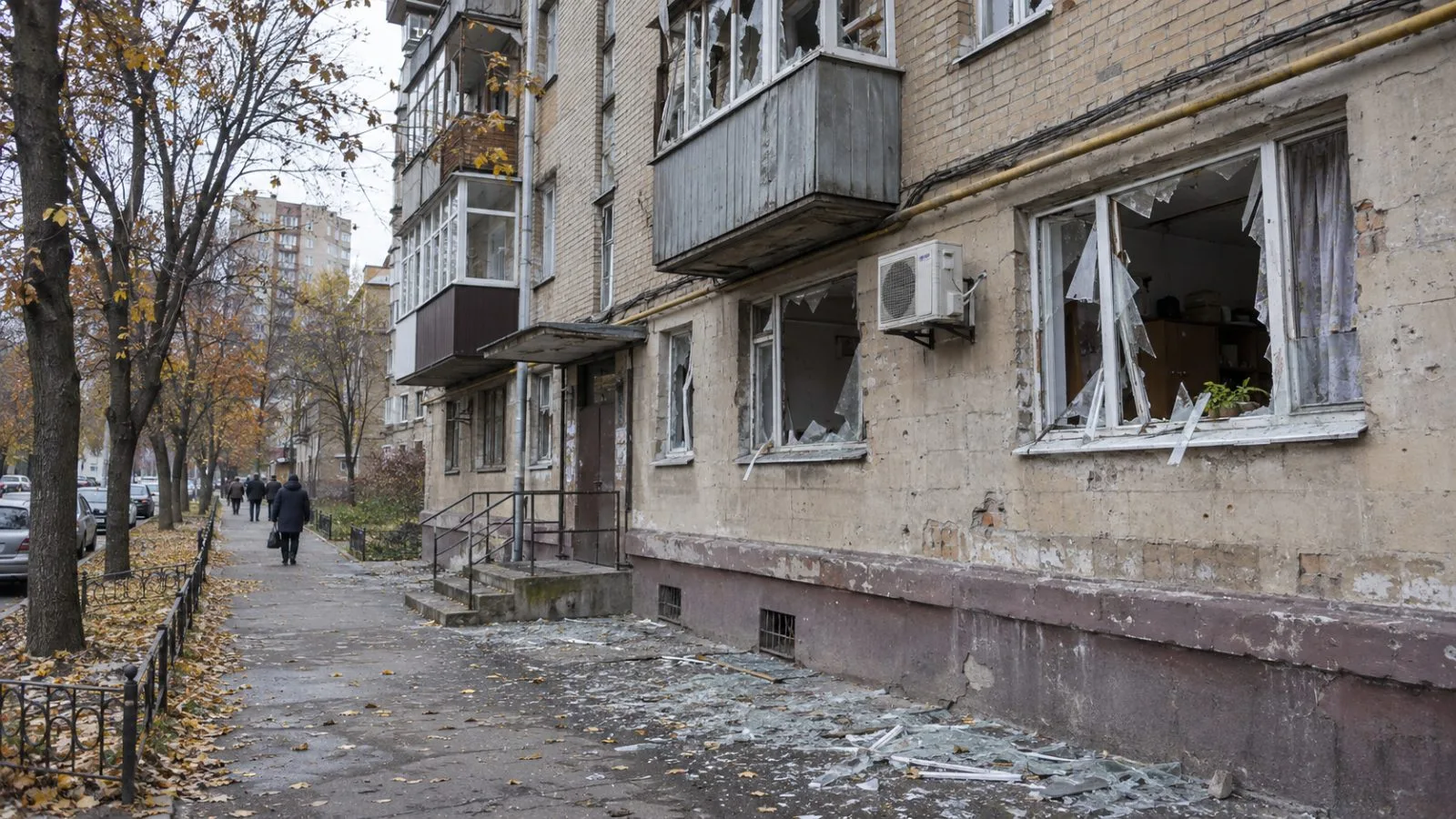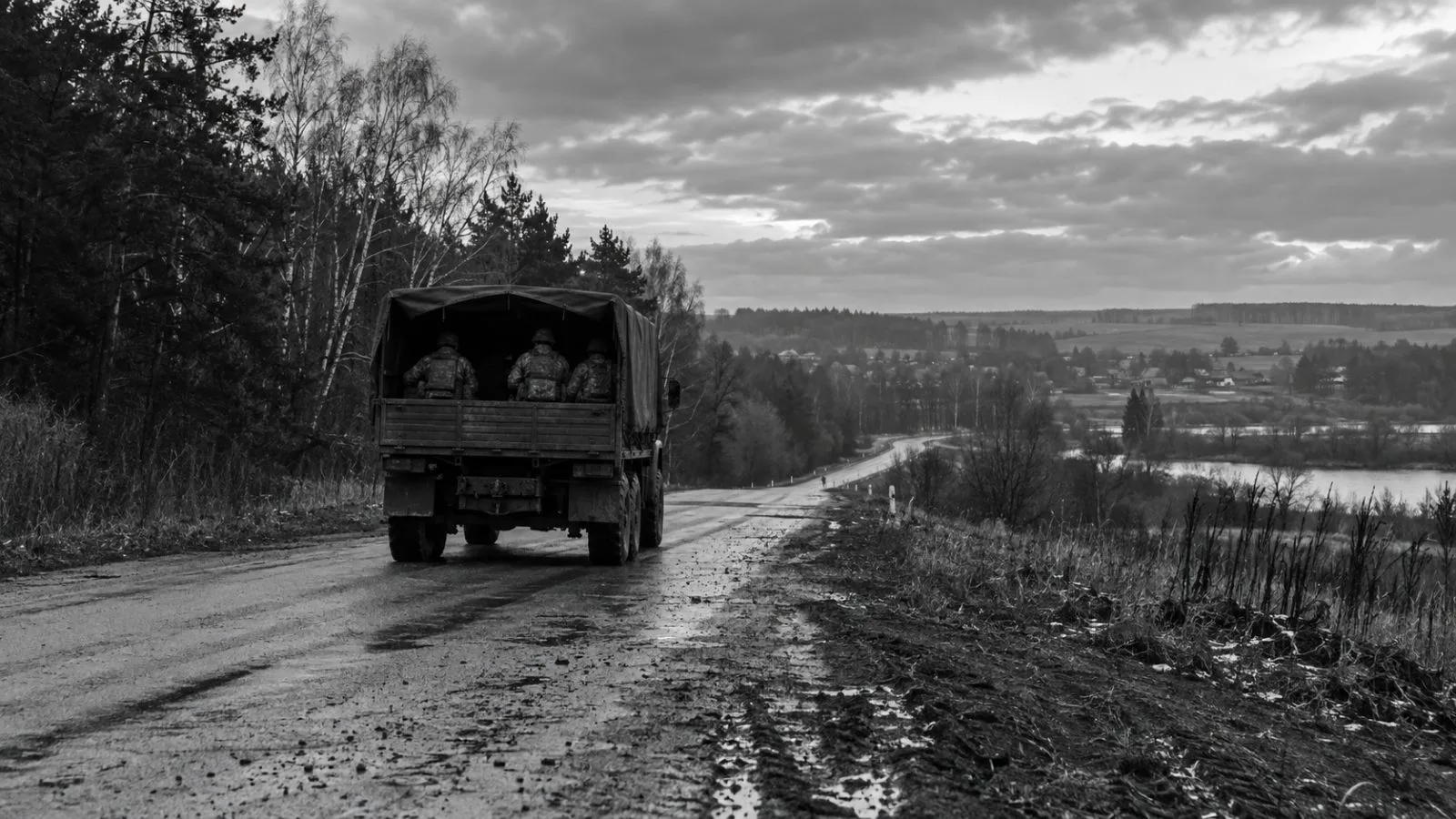
UNICEF said verified child casualties in Ukraine reached 1,144 in the first 10 months of 2026, underscoring the human cost of intensifying attacks on infrastructure before another winter of war.
The total included 114 children killed and 1,030 injured, figures UNICEF attributed to the United Nations Human Rights Monitoring Mission in Ukraine (HRMMU). That amounts to more than three child casualties per day and is the highest level in almost four years, UNICEF said.
At least 146 children were killed or injured in October, a 150% increase from the same month last year. UNICEF said deaths among children in 2026 had already exceeded the full-year 2025 total by more than 20%, while injuries were up almost 60%.
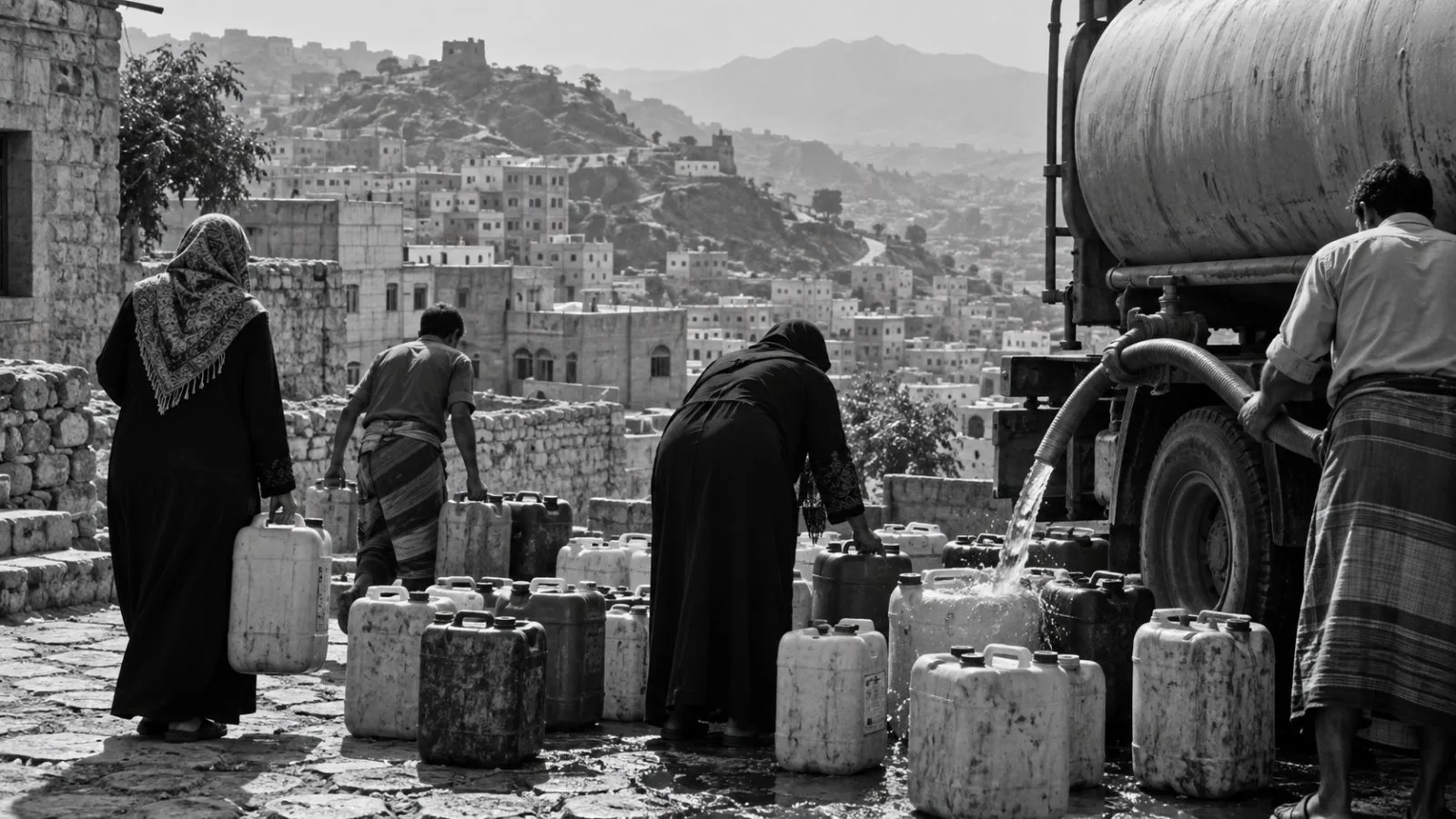
The agency said verified attacks on energy facilities this year were 78% higher than during all of 2025. Scheduled outages in most regions have lasted four to 18 hours, with some cuts exceeding 12 hours in early November. The disruptions have affected water systems serving homes, schools and health facilities.
Nearly 2 million children went without heat, electricity and water during the 2025–2026 winter as temperatures fell below minus 20 degrees Celsius, UNICEF said. The HRMMU recorded 372 civilians killed and 1,981 injured in October, the highest October toll since Russia’s full-scale invasion began. Civilian casualties from January through October reached 2,957 deaths and 17,218 injuries, 63% higher than in the same period of 2025. Missiles and drones caused 55% of October’s civilian casualties, the mission said.
“Children have been paying an unacceptable price for this war for too long,” Anne-Claire Dufay, UNICEF representative in Ukraine, said. She warned that injured children may face lasting physical and psychological consequences.
UNICEF’s 2026–2027 winter plan seeks $160.5 million to support 3 million people, including 540,000 children. It includes heating repairs, energy grants for schools serving 375,000 students, backup power for health facilities and protection services for more than 10,000 children at risk.
The agency is also supporting district-energy projects intended to preserve heating for about 3 million people and installing solar systems at water sites serving roughly 2.5 million. UNICEF said the 2025–2026 winter was the most difficult for children since the full-scale war began, after mobilizing $104.7 million to reach more than 1.5 million people.
UN News reported that Louise Wateridge, UNICEF acting chief of communications, briefed journalists from a Kyiv kindergarten reportedly struck Nov. 7 while empty during a day-long power cut. “Night after night, we are jolted awake by sirens and explosions,” Wateridge said.
The infrastructure damage adds to risks already documented in earlier reporting on Kyiv residents adapting to power disruptions.