A Ukrainian survey found 73% opposed a more accommodating government stance in peace talks, adding context to separate polling that showed broad support for negotiations to end the war.
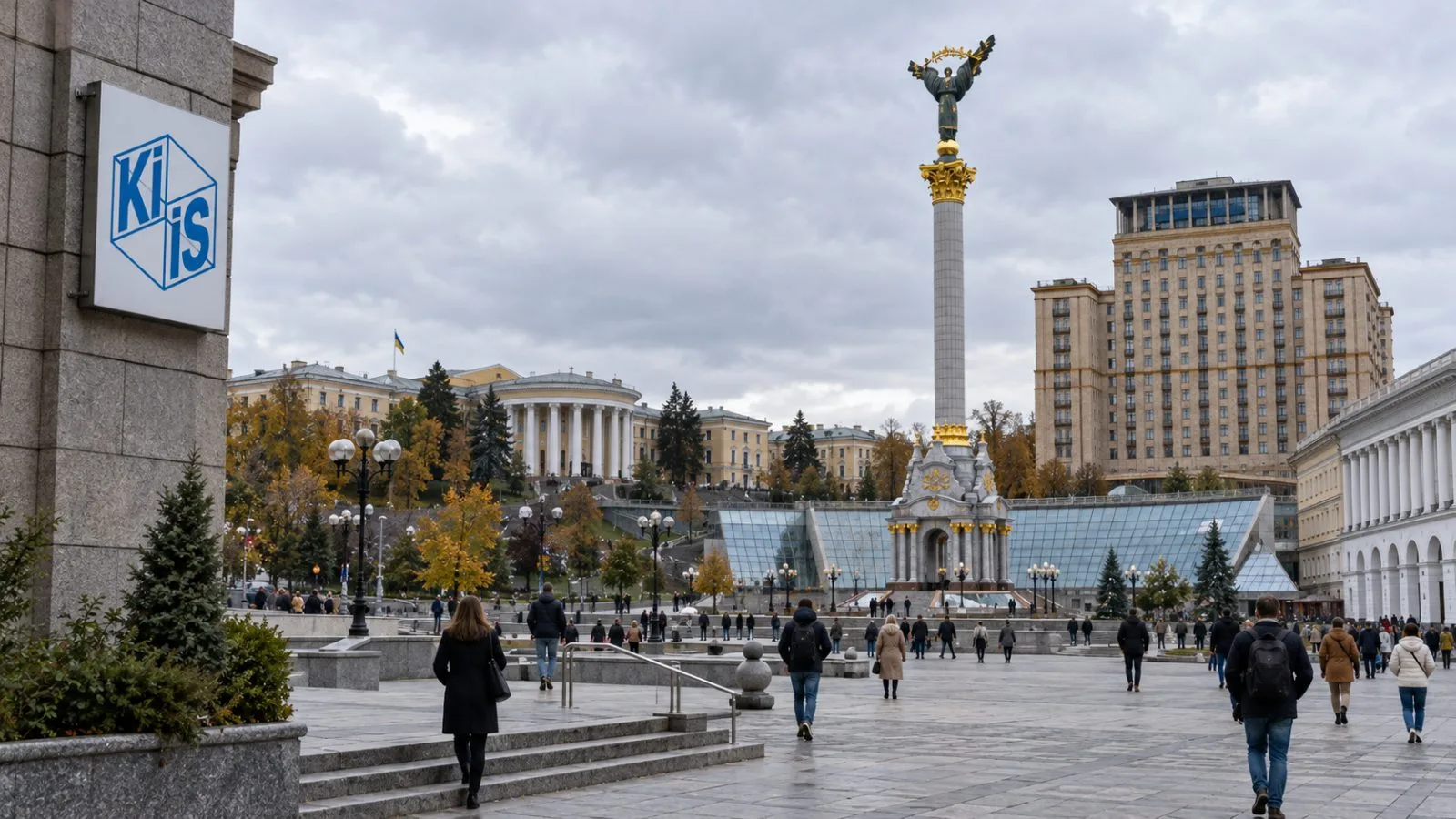
The Kyiv International Institute of Sociology (KIIS) surveyed 1,031 adults in Ukrainian government-controlled territory Oct. 8-16. The question about a more accommodating position went to a split sample of about 500 people: 20% agreed and 73% disagreed. KIIS put the formal margin of error for that subsample at up to 5.7 percentage points and cautioned that wartime conditions could introduce further bias.
On another question, 62% said they were prepared to endure the war as long as necessary. The survey excluded people in Russian-occupied territory and Ukrainians who had left the country after Feb. 24, 2022.
In a Sept. 12-21 survey, KIIS found 75% allowed negotiations with Russia now to end the war. The institute said that question asked about holding talks, not making concessions. Gallup found 66% of Ukrainians surveyed in April 2026 wanted negotiations to end the war as soon as possible, compared with 22% in the early months of 2022. Another 24% favored fighting until Ukraine wins.
The polling comes as Ukrainian media monitors examine calls for a planned Oct. 3 “Maidan for Peace” protest. Detector Media reported repeated or near-identical messages about the event across Russian and pro-Russian channels during its Sept. 30-Oct. 6 review. In an investigation published Sept. 25, Texty.org.ua reported that a Threads profile promoting the protest listed Russia as its location. That listing does not establish who operated the account or whether the Russian state directed it.
Ukrainian lawmaker Oleksii Honcharenko wrote on Telegram on Oct. 2 that “we are losing the war,” in a translation from Ukrainian. He proposed sanctions relief in exchange for an end to long-range strikes, reopening the Black Sea and limiting combat to part of the front. European Solidarity said on Oct. 5 that it could no longer continue its political path with him; his removal from its parliamentary faction was formally announced in parliament on Oct. 14.
In an Oct. 19 Kyiv Independent column, Liubov Tsybulska, director of NGO Join Ukraine, argued that Russian messaging seeks to turn war exhaustion into political pressure within Ukraine and weaken support for the country abroad.
At an Oct. 7 briefing, Foreign Ministry spokesperson Heorhii Tykhyi said Kyiv was ready to discuss five ceasefire formats, including Black Sea proposals involving Turkey and Egypt and a possible energy truce discussed with the U.S. side. He said Ukraine was awaiting Russia’s position on a trilateral meeting; no date had been confirmed.