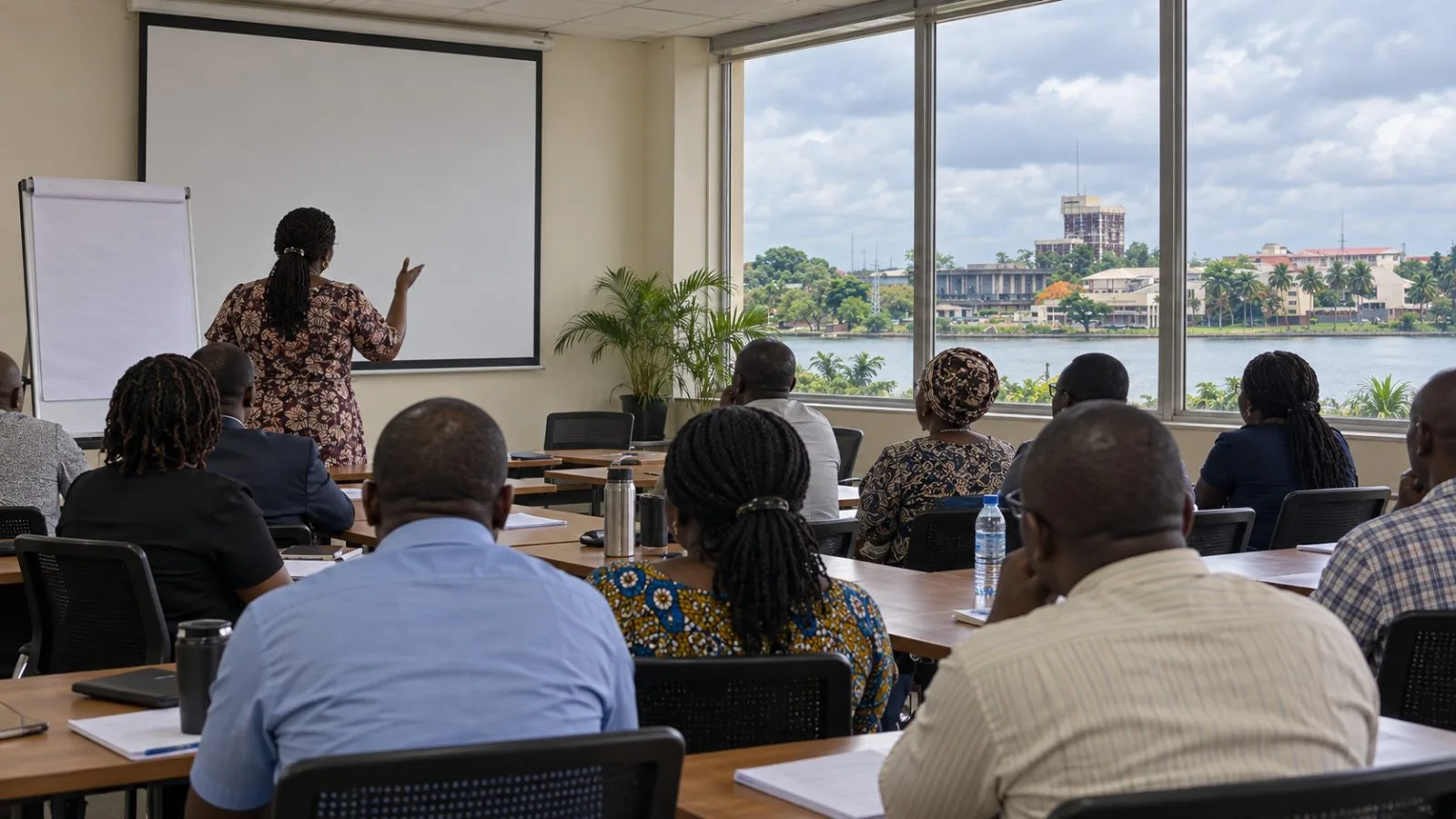
Staff at the University of Lagos pledged to refer safeguarding cases within 24 hours after September training, as education guidance warns that fear of exposure can deter learners from reporting abuse.
During a Sept. 21-24 workshop, the university said participants also committed to preventing complaints from being suppressed. The university reported those commitments but gave no results showing whether staff subsequently met the referral target.
A 2025 handbook issued by the Universal Basic Education Commission (UBEC) describes sexual coercion tied to grades or favors and online sextortion as separate risks. It identifies teachers and staff among possible perpetrators of coercion. In online sextortion, an abuser may threaten to expose a child’s explicit images to pressure the child into further acts.
UBEC warns that a breach of confidentiality can discourage future reports. Its guidance calls for confidential records and says mandatory reporting to child protection services or law enforcement may be required for serious sexual or physical violence, or severe psychological violence.
The University of Lagos’ harassment policy directs officials to protect names and complaint details unless disclosure is necessary for disciplinary or corrective action. It prohibits retaliation. Students need not have witnesses or supporting evidence before reporting harassment.
In an earlier case, the university dismissed Dr. Boniface Igbeneghu and Dr. Samuel Omoniyi Oladipo effective May 31, 2021, after considering an investigation into sexual harassment allegations raised in a BBC Africa Eye series. The university said it would review its harassment policy.
The Independent Corrupt Practices and Other Related Offences Commission (ICPC) cited another case in 2018. It said Professor Richard I. Akindele, a former Obafemi Awolowo University lecturer, was convicted after demanding sex from postgraduate student Monica Osagie in exchange for higher marks. The commission said his prison terms run concurrently, with the longest set at two years.
University of Abuja senior lecturer Dr. Mary Adehi said fear, stigma and distrust of justice mechanisms can discourage reports. “The culture of silence must be broken,” she said in an ICPC-hosted discussion published in July 2025.
Minister of Women Affairs and Social Development Imaan Sulaiman-Ibrahim said in June 2026 that versions of the 2015 Violence Against Persons (Prohibition) Act had been adopted in 35 of Nigeria’s 36 states. The House passed the Child Online Access Protection Bill in December 2025; Senate proceedings recorded its first reading on July 7, 2026.