Venezuela is courting international energy investors under a law that lets companies domiciled in the country take on upstream oil and gas work, although U.S. sanctions can restrict performance of some contracts.
Published Jan. 29 in Official Gazette No. 6,978, the law allows private companies based in Venezuela to conduct upstream activities through contracts with state-owned companies. Operators bear the costs and risks, while the state retains ownership of hydrocarbon deposits. Contracts may provide for mediation or arbitration.
Hydrocarbons Minister Paula Henao Vera made the investment appeal at ADIPEC in Abu Dhabi on Nov. 3, according to The National and TASS. The National reported that Henao identified sanctions as the main obstacle to large-scale investment. She also said Venezuela had signed 80 energy-sector agreements with international companies, the two outlets reported. The 80-agreement total is a ministerial claim.
The law creates a contractual route for private operators, while Reuters previously reported that investors continued to question Venezuela’s legal system and face political uncertainty, particularly outside the energy sector. EconoTimes has covered those investor concerns in Venezuela.
The U.S. Treasury’s Office of Foreign Assets Control (OFAC) permits companies to negotiate and enter certain contingent investment contracts under General License 49B. Those contracts require separate authorization before they can be performed. General License 50C allows specified oil and gas operations by listed companies, including Chevron, subject to conditions.
Chevron said on Sept. 2 that its Venezuelan joint ventures plan to invest more than $7 billion over five years and lift production to approximately 600,000 barrels per day, more than double their 2026 level. The company described these as plans, not completed investment or output.
The U.S. Energy Information Administration estimated Venezuela held about 303 billion barrels of proven crude reserves in 2023, the world’s largest total at the time. Most are extra-heavy crude in the Orinoco Belt, which requires specialized expertise to extract and process. The agency has also cited underinvestment, aging infrastructure and sanctions as obstacles to development.
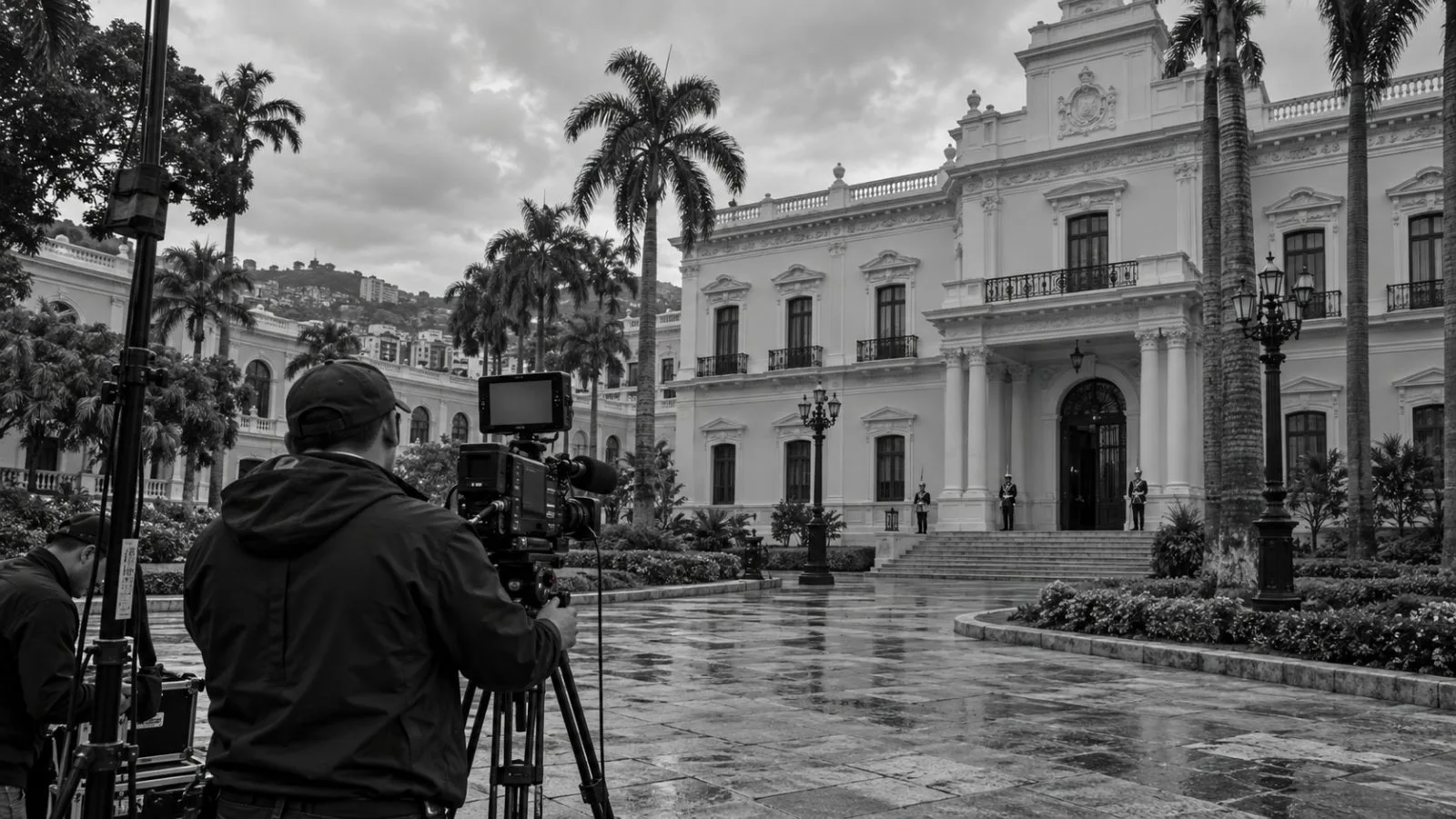
Venezuela Energy Week is scheduled for Feb. 22–25, 2027, in Caracas. Organizers plan discussions with international companies, Petróleos de Venezuela S.A. (PDVSA) and Venezuelan operators.