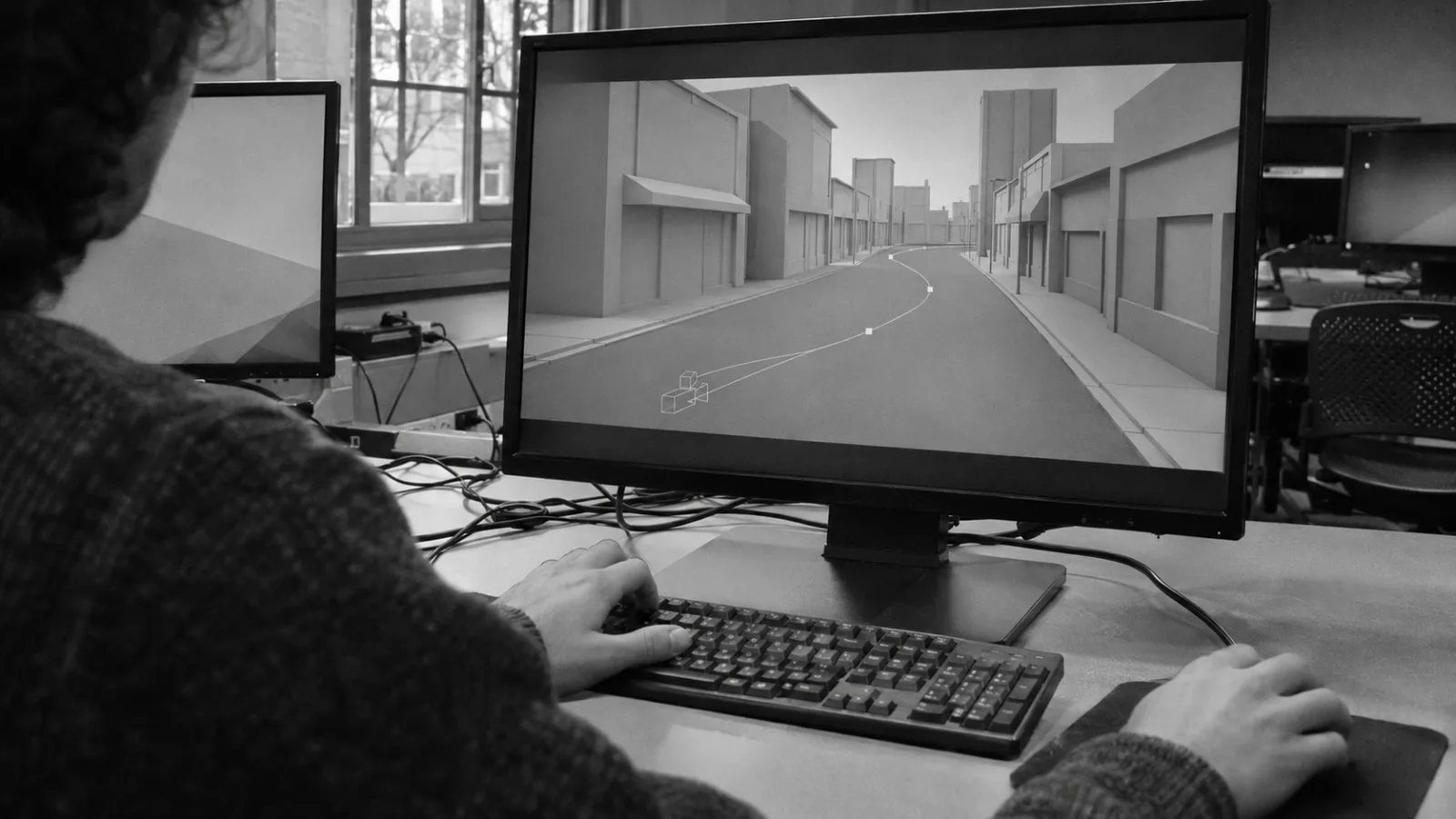
A new benchmark tests whether coding agents can turn 242 varied briefs into Blender scenes and videos that clearly show requested details, offering a way to compare both generated environments and their visual output.
Inputs comprise 94 script-based tasks, 39 built from photographs, 23 extending existing scenes and 86 using reference videos. Across seven scene domains, the benchmark covers 33 locations.
The scene check runs each agent’s code again, then compares the output with hidden facts in nine categories, including spatial layout, actions, camera setup and physics. A vision-language model checks whether key details are visible in proxy videos.
The two checks cover 84,406 scorable facts. Together, they track whether requested elements appear in a scene and whether the video output makes them visible.
The 11 agents generally handled basic camera work and staging well. They varied in their handling of spatial relationships and camera motion, while complex requests proved difficult. Some agents recognized flaws in their output but did not correct them.
The researchers introduced VibePrevisBench and released its code and data Nov. 11. The project website presents scores and a leaderboard alongside 14 case studies.