Finance Minister Nirmala Sitharaman's Union Budget 2026–27 pursues the "Viksit Bharat" vision vigorously by combining severe fiscal discipline with a huge growth push. Driven by a 7% GDP growth objective and a lowered fiscal deficit of 4.3%, the budget gives "Action Over Ambivalence" priority with over 350 structural changes. By directing debt-to-GDP ratios toward a 50% target by 2030, the government has committed to macroeconomic stability while also unleashing a significant public capital expenditure of ₹12.2 lakh crore. While delegating considerable funds to states to promote cooperative federalism, this structure is meant to shield the economy from worldwide instability.
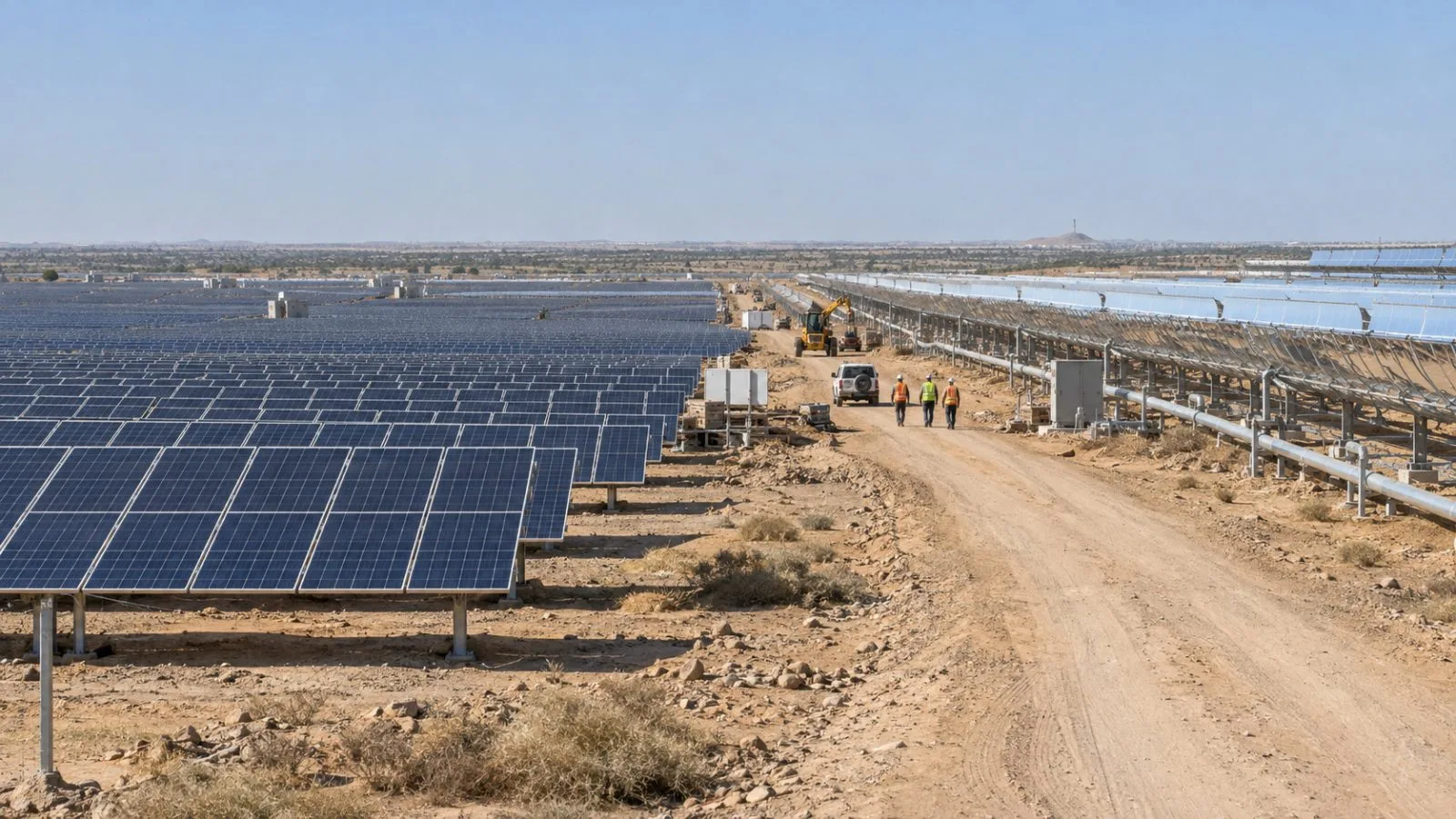
The revitalization of domestic manufacturing and infrastructure is a main focus of the budget meant to lessen import reliance. Strategic initiatives include the ₹40,000 crore Electronics Components Scheme, the Biopharma SHAKTI project, and the resurrection of old industrial clusters. Equally ambitious are infrastructural plans that include new high-speed rail corridors, dedicated freight lines, and a push for green energy using nuclear and crucial mineral incentives. Along with tax breaks for cloud services and incentives for medical tourism, the budget helps MSMEs with a ₹10,000 crore Growth Fund and credit guarantees to guarantee that these sectors flourish, therefore building a strong, modern industrial ecosystem.
Though it provides little direct tax relief for the middle class, the budget targets inclusion on the socio-economic front through a "care ecosystem" for the elderly, high-value agriculture assistance, and educational townships. The rise in Securities Transaction Tax (STT) on futures and options is a critical and divisive action meant mostly to check rampant retail trading in the derivatives market. Although the budget enhances India's long-term economic foundation and infrastructure, the higher trading costs and lack of quick consumer boosts for the typical taxpayer point to a plan that prioritizes structural strength above populist distributions.