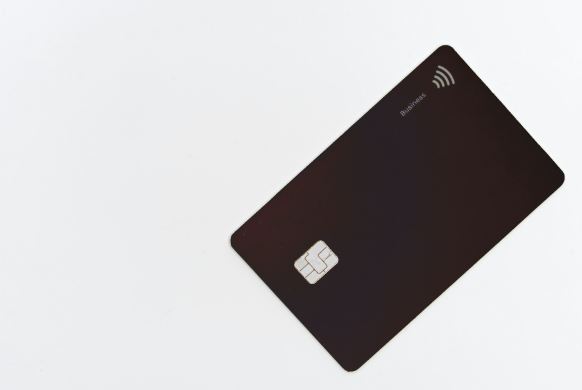
Payment giant Visa has announced a partnership with Affirm to launch a flexible payment card in the US. This new card allows customers to choose between Buy Now, Pay Later (BNPL) or debit transactions, offering greater flexibility at checkout. With growing consumer demand for versatile payment options, this move comes at a pivotal time for both companies.
This move will benefit both offline and online businesses by offering consumers more flexibility in how they manage payments. One sector set to gain significantly is the online entertainment industry, with top Visa casinos in the US benefiting from their reliance on seamless, secure transactions. It comes just six months after the payment giant launched the Visa Flexible Credential (VFC) payment system in Japan along with its partner, Olive. This demonstrates Visa's technological innovation and its significant influence on the payment industry.
Payments Made Simpler
The Visa Flexible Credential, along with the Affirm card, will be rolled out in the US to simplify payment processes. Users can buy now and pay later on specific transactions of their choosing. The payment method stands out because it simply lets users toggle between funding sources, whether they are credit or debit cards. Users don’t have to use more than one app or carry multiple cards in their wallets to make payments seamlessly.
This move came after a study discovered that up to 51% of card users prefer to access all their accounts or funding sources through one credential. They were forced to carry debit cards for small daily transactions and credit cards for much larger ones.
Visa’s Chief Consumer Product Officer, Mark Nelsen, confirmed that this move represents a strategic expansion following the product’s strong reception in Japan. According to Nelsen, over three million customers have adopted the Olive card since its launch, reflecting a clear market demand for flexible payment solutions. This success highlights Visa's ability to adapt to shifting consumer preferences while strengthening its position in the rapidly evolving fintech landscape.
Nelsen also stated that the end users are actively using it and switching between credit and debit cards and the BPNL offering. Approximately 70% of customers have flipped to credit. Now, they use their debit card more for everyday purchases.
Affirm and Visa have been in partnership for two years, and the former intends to provide flexible payment services to around 1.4 million customers. The service is meant for Visa users to pay how they want in places that accept Visa cards.
What will the card offer besides the BNPL model? Nelsen says the customers can set their own parameters for each transaction. This means they can choose where to use debit for specific amounts and BNPL for amounts over the threshold. For example, if a user sets their debit limits at $30, any purchases over this amount will be charged to the flexible payment card for BNPL. The best part, according to Nelsen, is the fact that the merchant will receive the flow of funds regardless of the option the user goes with.
The company believes that this model will do a lot of good in teaching people responsibility on how to use lines of credit.
Visa Supports Digital Innovation and Entertainment
Visa has been working hard to provide flexible payment options for its users across the globe. In the UAE, Liv, a digital bank, will use this payment option to make cross-border payment simpler. Nelsen also weighs in on this collaboration between Flexible Credentials and Liv, stating that it will make it easier to fund and access accounts. The cards come with 16-digit numbers on a plastic body, targeting one of the fastest-growing cross-border payment economies.
This consumer-centric product is not the first that has made life easier for users. Visa has been known to support seamless payments for both fiat and crypto transactions for online gambling, ensuring they are secure and efficient.
Besides its work in the payment ecosystem, Visa is also providing a platform for fintechs to innovate. This partnership with Affirm is clear proof of this developing bond between financial and finance tech players. Both parties are usually considered natural enemies, but such collaborations can benefit the end users more and also unlock extra revenue streams for the companies.
Nelsen believes that working with fintechs on this is easier and expects things to change a bit as the ecosystem matures. He believes more legacy banks will take the same path and benefit from such collaborations.
Visa plans to support around six currencies after the launch of the product, including the most common ones like the USD and GBP. The plan is to ensure that customers living both at home and abroad can spend locally without a hassle. It is the same for parents who have kids studying in other countries and need to make payments on their behalf.
How does Visa intend to roll out the product? Over the course of 12 months, the company intends to partner with traditional banks, as this is the only way to offer true convenience to customers. The plan is to expand to Europe after it is established in the United Arab Emirates. According to Nelsen, over 15 countries will see the use of Flexible Credentials as banks and fintechs work together to provide the services for users.
Japan’s success with the payment system gives the company a guarantee that it will be successful on a larger scale. The feature isn’t restricted to Japan alone but has now been made available in Hong Kong, Singapore, the Philippines, Vietnam, and Thailand. In time, Nelsen believes that the payment scope can be extended to include payment with points and even cryptocurrency to give the cards more utility. The point is to meet the needs of the end user regardless of their spending pattern.
Visa intends to create a system that offers convenience above all else. Affirm’s CEO also agrees and states that the fintech is looking to bring a product that brings credit and debit together seamlessly. He also adds that it won’t include hidden fees or any penalties for being late.
Customers today prioritize flexible payments because of the rise in e-commerce businesses. Companies like Affirm and Visa are taking the initiative to remain relevant as the industry is disrupted by various digital technologies and ideologies.
This article does not necessarily reflect the opinions of the editors or management of EconoTimes.