The DRC’s Tumaini study could test two additional Bundibugyo vaccine candidates after a WHO advisory group backed their use, pending national approval.
In a Nov. 4 announcement, WHO said its Technical Advisory Group on Candidate Vaccine Prioritization unanimously recommended ChAdOx1 BDBV, developed by the University of Oxford with the Serum Institute of India, and Moderna’s mRNA-1469. The panel weighed results from research before human testing alongside findings from initial clinical studies.
The candidates were designed specifically for Bundibugyo virus. The U.S. Centers for Disease Control and Prevention reported 10,532 confirmed cases and 5,126 confirmed deaths in the DRC as of Nov. 1.
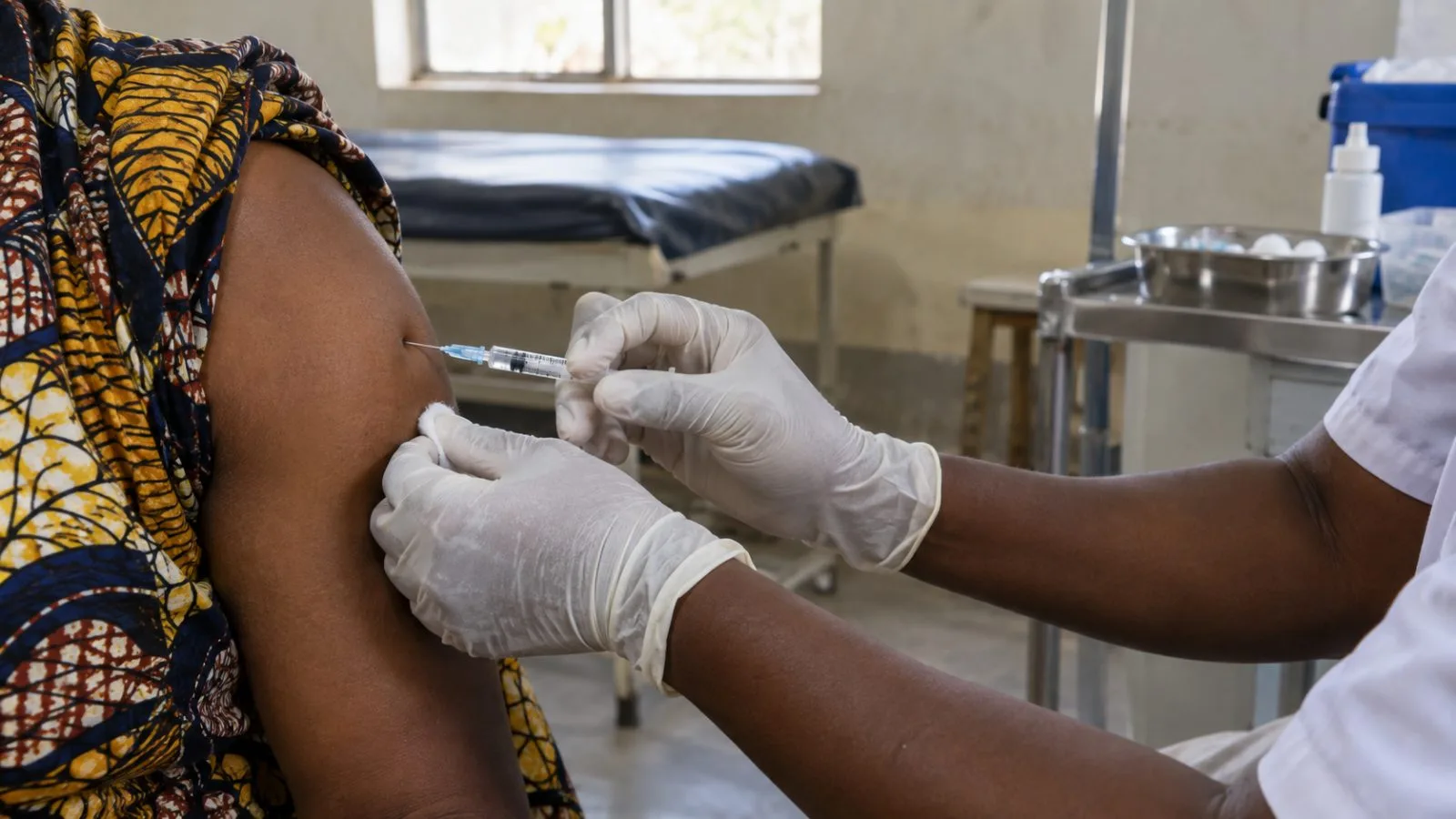
Tumaini uses ring vaccination to enroll people connected to confirmed cases. WHO reported that four rings had been established and teams were preparing additional ones. EconoTimes previously reported on the trial’s launch.
The study initially evaluated Ervebo, which is approved for Ebola disease caused by Zaire ebolavirus. WHO says protection against Bundibugyo from that vaccine has not been established. The Guinea study established Ervebo’s efficacy against Zaire ebolavirus, WHO said.
WHO credited investments by the Coalition for Epidemic Preparedness Innovations with helping candidates be developed rapidly. WHO Director-General Tedros Adhanom Ghebreyesus said, “Vaccines alone will not end this outbreak, but they could become a powerful new tool for bringing it under control.”
National approvals are required before the two candidates can join Tumaini. WHO expects results from the trial in early 2027.