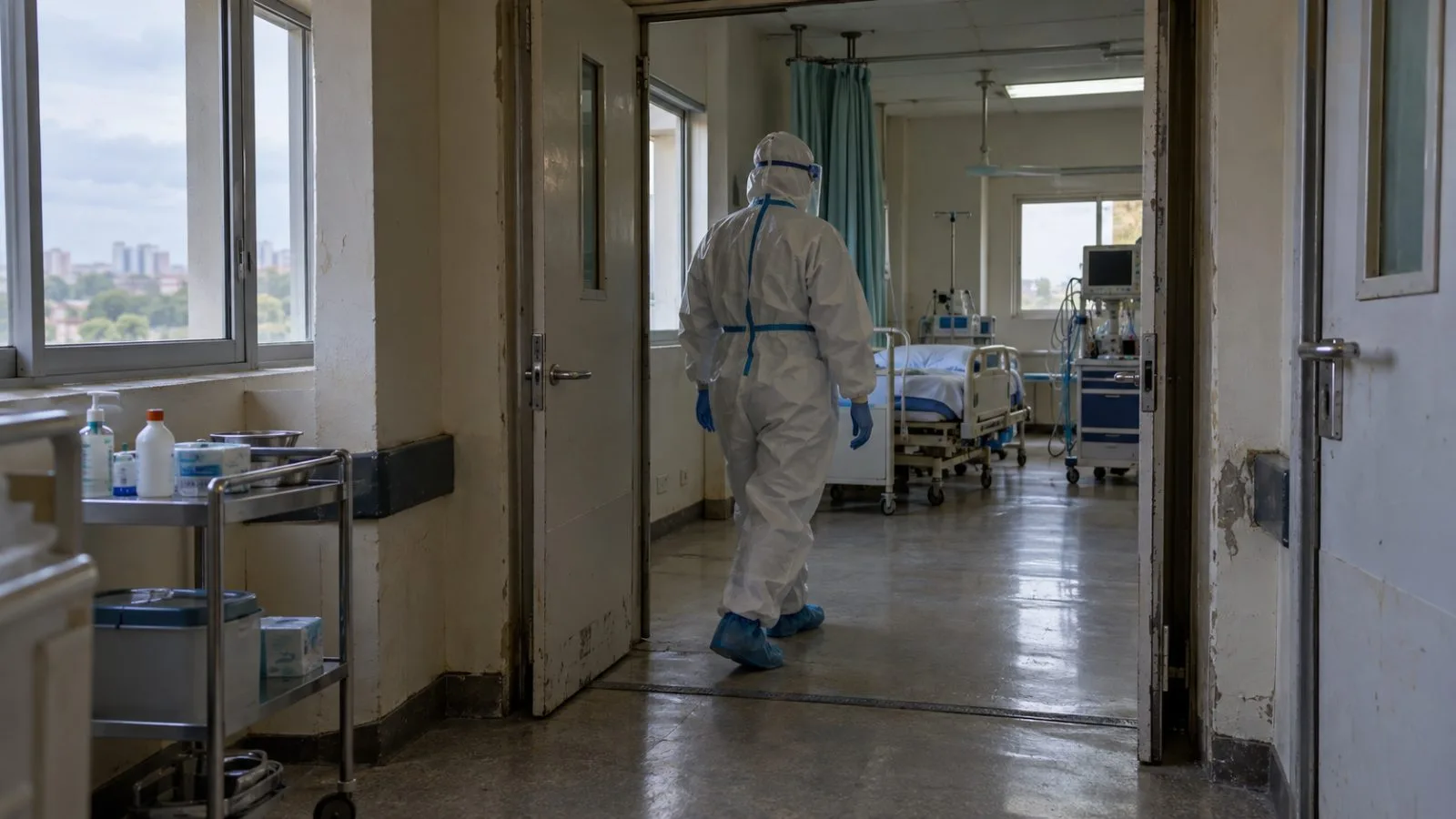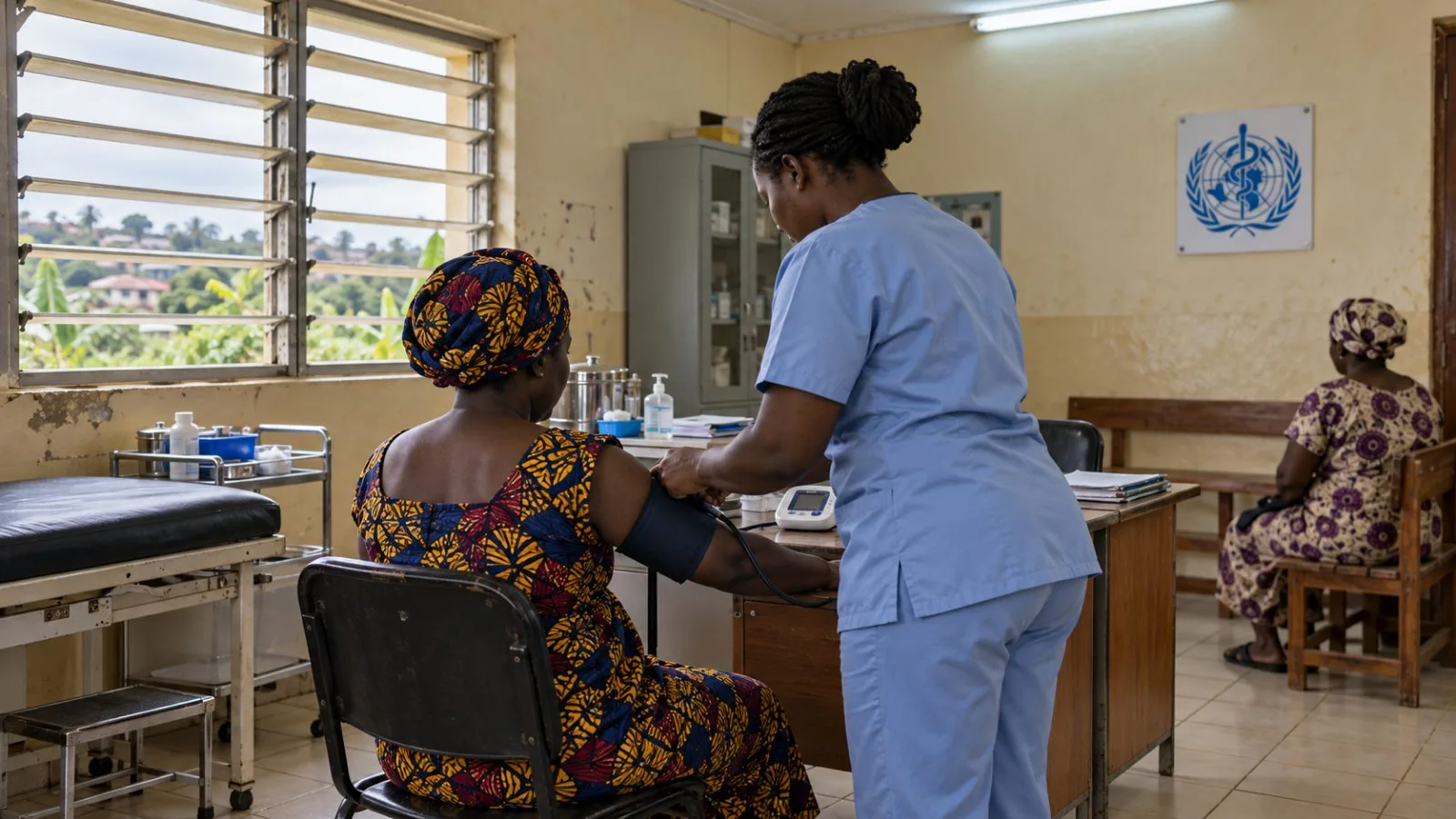
The World Health Organization (WHO) advises male Ebola survivors to practice safer sex and, where available, undergo monthly semen testing until two consecutive results are negative. If testing is unavailable, it advises safer-sex practices for 12 months.
WHO says its records include Ebola virus being passed through infected semen as long as 15 months after clinical recovery. The agency recommends monthly semen tests. Survivors may return to usual sexual activity after two tests in a row come back negative, when the risk of transmission is reduced, it says. If testing is unavailable, WHO recommends safer-sex measures for 12 months.
WHO says Ebola may persist in immune-privileged sites, including the testicles. It also says survivors whose blood has tested negative for Orthoebolavirus do not need to be isolated. The agency’s general guidance says Ebola can spread through bodily fluids, including sweat and saliva, from an infected person. WHO’s 2014 transmission explainer described the research on saliva as limited and inconclusive, and said live virus had not been isolated from sweat.
The Nigeria Centre for Disease Control and Prevention (NCDC) said in an Oct. 26 report that a 42-year-old woman with Bundibugyo virus disease and her spouse had been evacuated to Switzerland. It said 54 contacts had been identified and followed up. WHO reported that 44 contacts had been identified and were being monitored in Nigeria as of Oct. 20, according to its Oct. 23 update; an earlier report on Nigeria’s contact monitoring covered that count.
The current outbreak is caused by Bundibugyo virus, for which WHO says there is no approved vaccine or specific treatment. Its Oct. 23 update did not report sexual transmission among cases. The survivor guidance addresses Ebola generally.