World Health Organization (WHO) Director-General Tedros Adhanom Ghebreyesus urged governments Monday to complete the pathogen-sharing annex to a pandemic agreement, as negotiators opened a new round of talks amid a deadly Ebola epidemic in the Democratic Republic of the Congo (DRC).
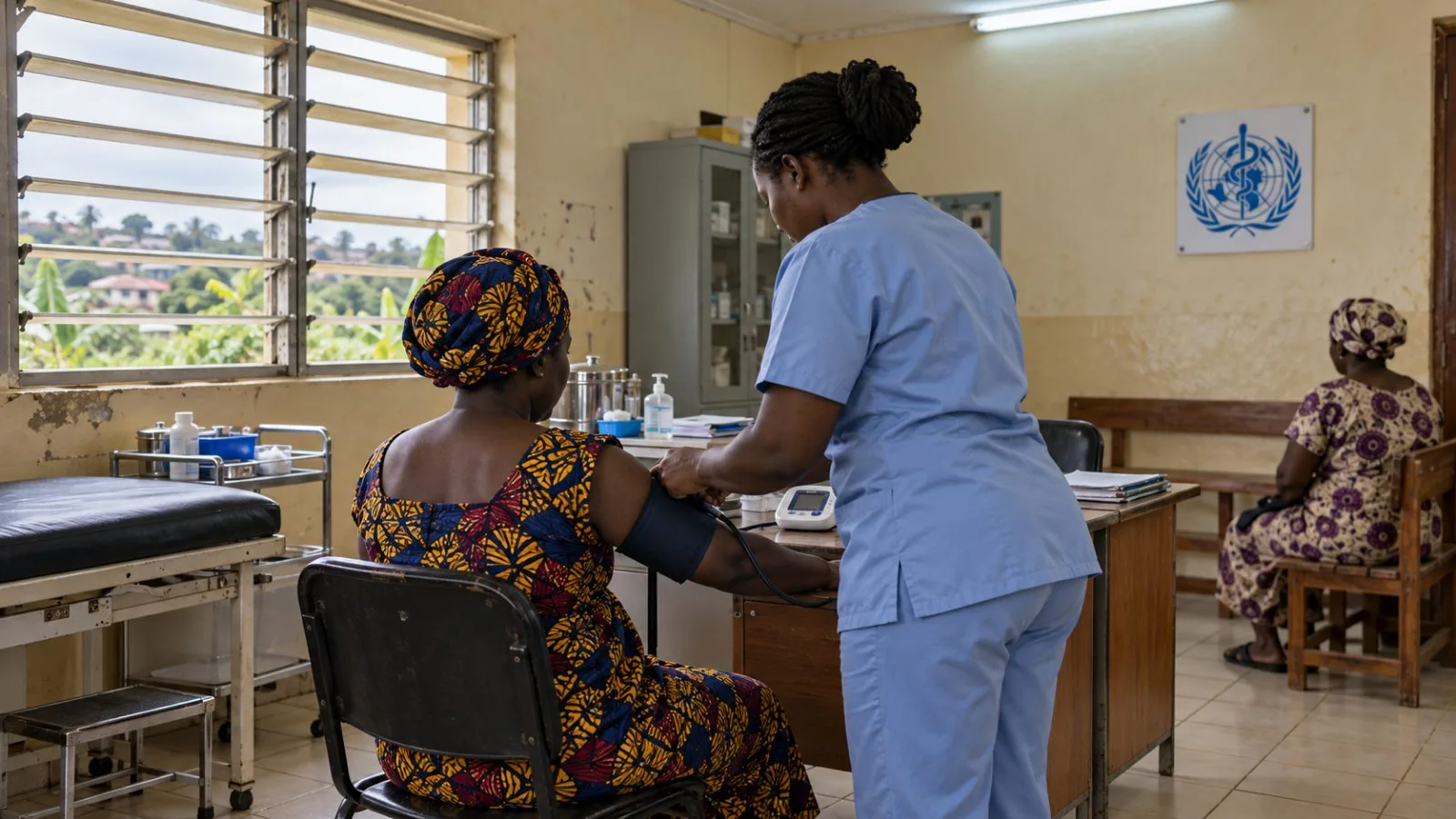
The Pathogen Access and Benefit-Sharing (PABS) annex would govern the exchange of materials and sequence information from pathogens with pandemic potential. WHO says the system is intended to connect that sharing with fair access to resulting vaccines, therapeutics and diagnostics. “Now we must complete the PABS Annex so that the Agreement can enter into force,” Tedros said in his opening remarks. The ninth negotiating session runs through Nov. 13.
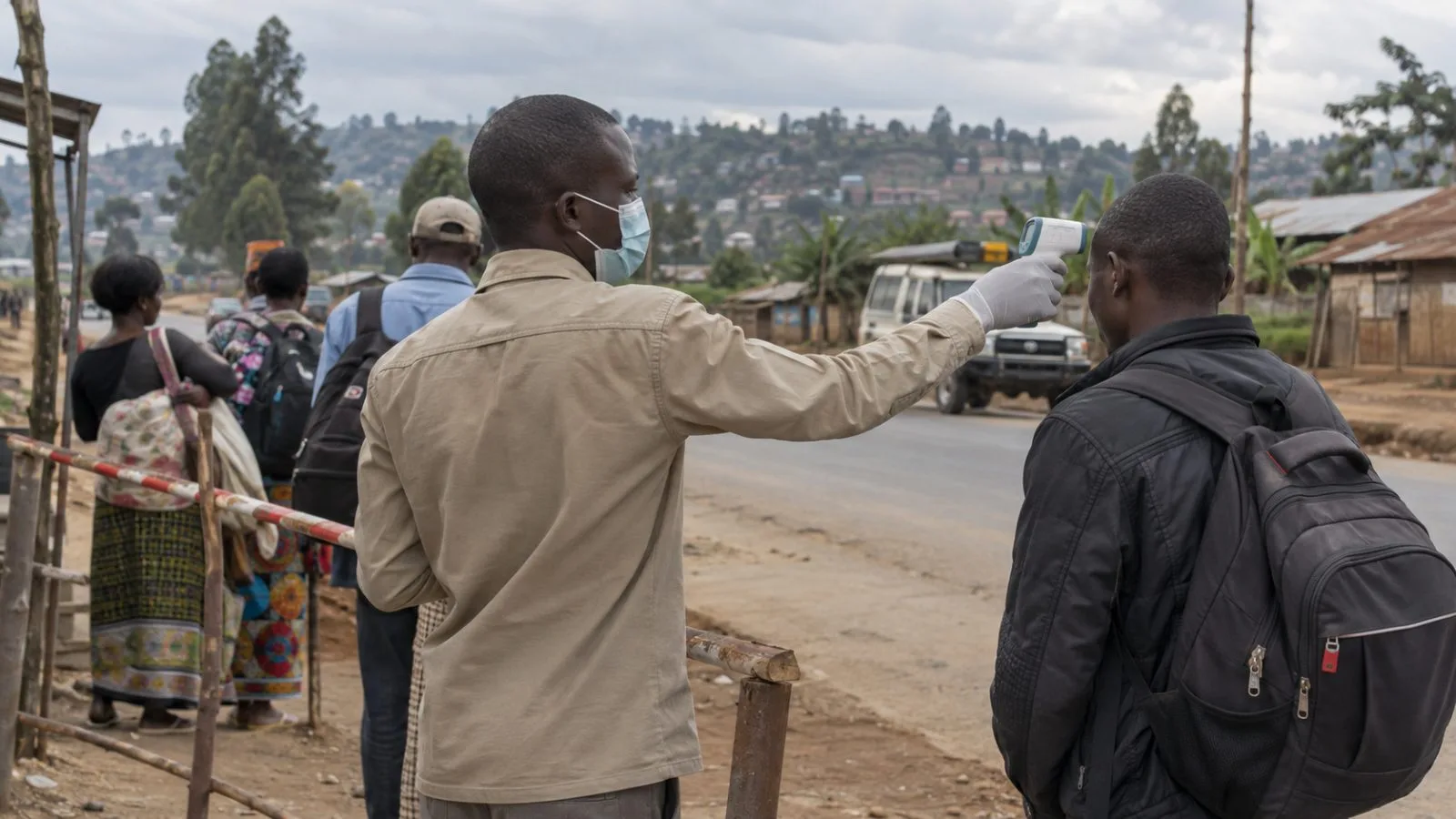
The DRC’s National Institute of Public Health (INSP) reported 10,467 confirmed cases and 5,103 deaths through Oct. 31. It put the case-fatality rate at 48.8% and said the outbreak had reached 67 health zones in eight provinces. The previous bulletin listed 5,372 deaths after adding 314 previously unallocated deaths in Ituri; the Oct. 31 report said data harmonization led to adjustments.
Tedros also referred to a hantavirus outbreak earlier this year. In a separate July 2 update, WHO said an Andes hantavirus outbreak linked to the cruise ship M/V Hondius had caused 13 cases, including three deaths. The agency said the outbreak was contained, identified contacts had completed follow-up and no further related transmission was expected.
The World Health Assembly adopted the Pandemic Agreement on May 20, 2025. It can open for signature after the Assembly adopts the PABS annex and enter into force after 60 ratifications. The agreement sets a 20% target for participating manufacturers’ real-time production of relevant vaccines, therapeutics and diagnostics to be rapidly available to WHO. WHO says distribution would take account of public-health risk and need, with particular attention to developing countries. Tedros said COVID-19 exposed inequities in vaccine access.
A U.K. government statement to Parliament on Oct. 21 said outstanding issues include access to PABS materials and sequence information, governance and the system’s scope. The outcome is scheduled for consideration at the World Health Assembly in May 2027, or at a special session in 2026 if needed.